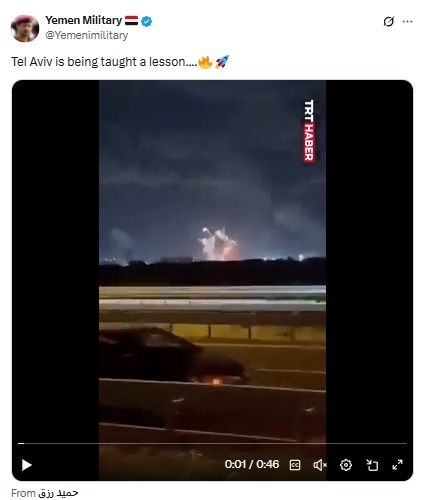
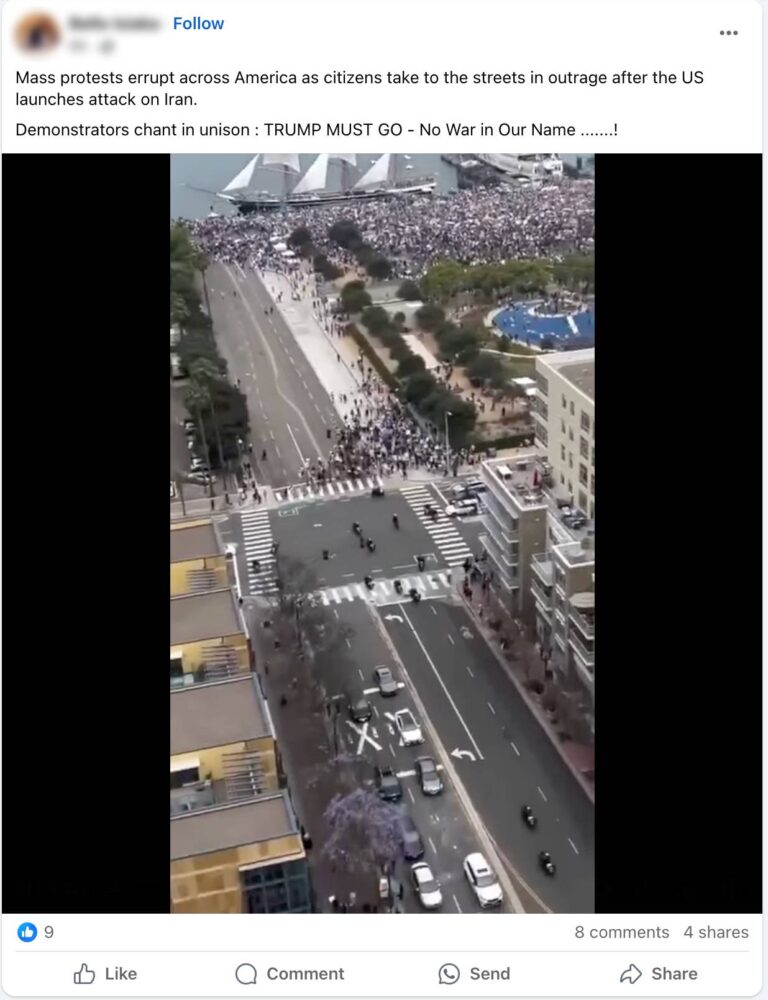
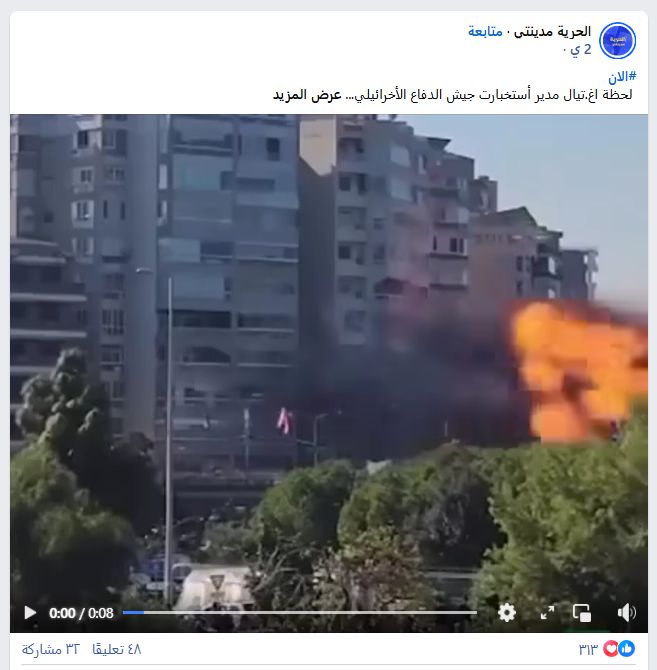
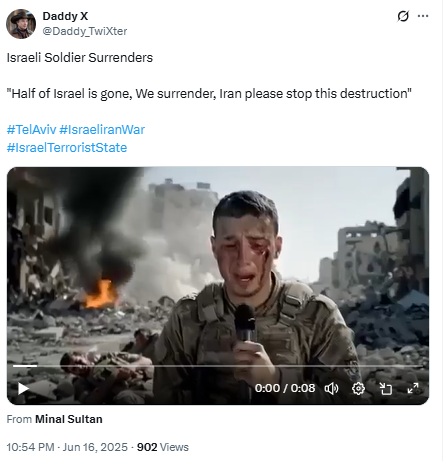
The current study contributes to an understanding of the global and local fact-checking field and the patterns of disinformation dissemination during the Israel–Iran War in June 2025. The study was conducted against the backdrop of a continuing crisis in the global fact-checking and information environment, which suffers from financial and political pressures and challenges, declining public trust, changes in social media policies, and the declining status of fact-checking organizations. The main innovation of this study is the presentation of a global snapshot of the information environment during a local and regional conflict: Although this war occurred in the Middle East, the war-related disinformation that was created and the responses to it, engaged organizations and activists operating in diverse regions and languages around the world.
Alongside the unique contribution of the local fact-checking organizations to our understanding of the local context of disinformation, the study illustrates the weakness of the Israeli fact-checking field and stresses its need for support. The weaknesses of the field include a lack of local organizations affiliated with international platforms and databases; a lack of local fact-checking activities in Arabic; and a lack of systematic, accessible documentation and archiving of ongoing fact-checking efforts and publications. Although the local fact-checking organizations play a critical role, these limitations reduce their impact in the global arena.
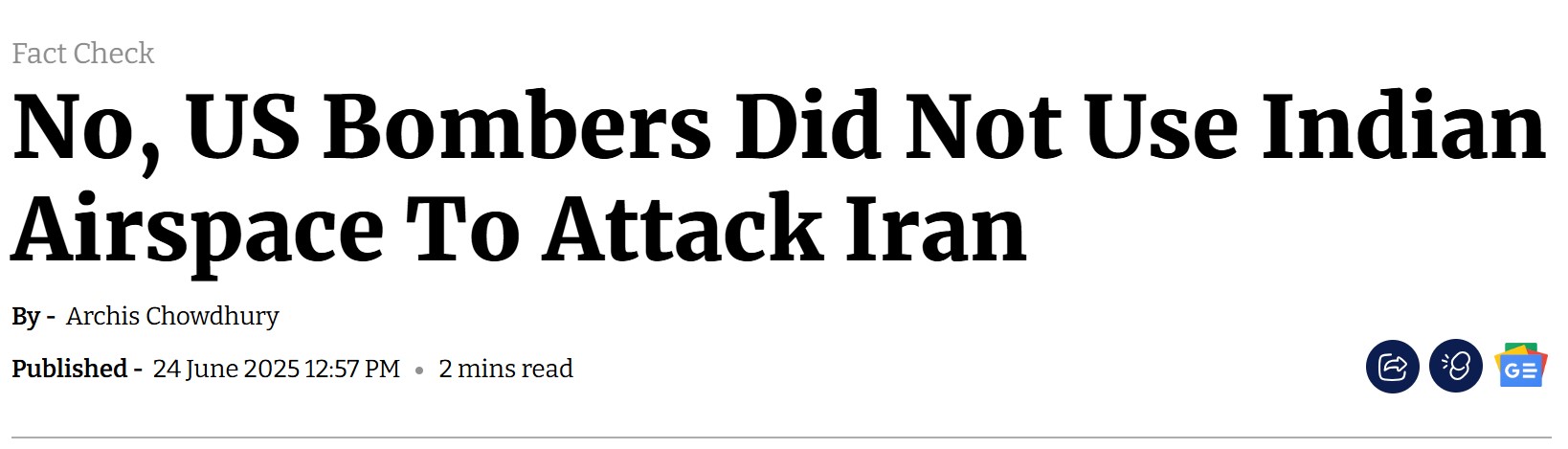
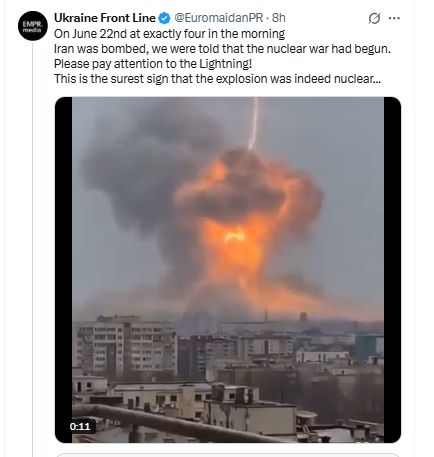
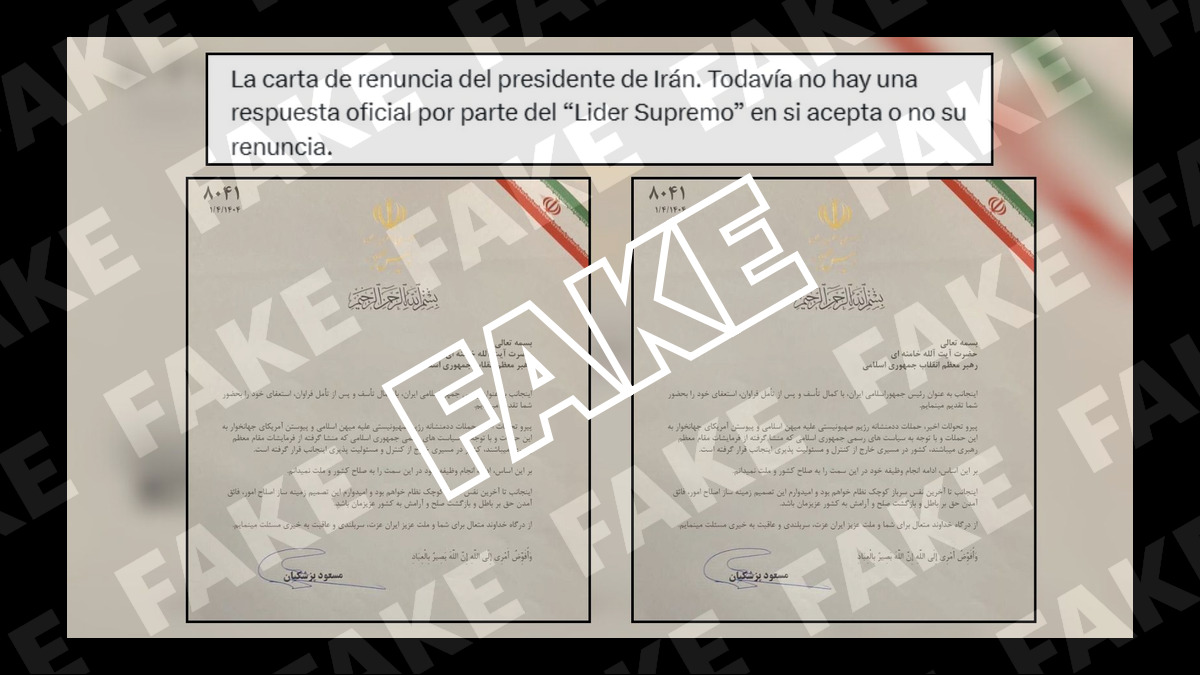
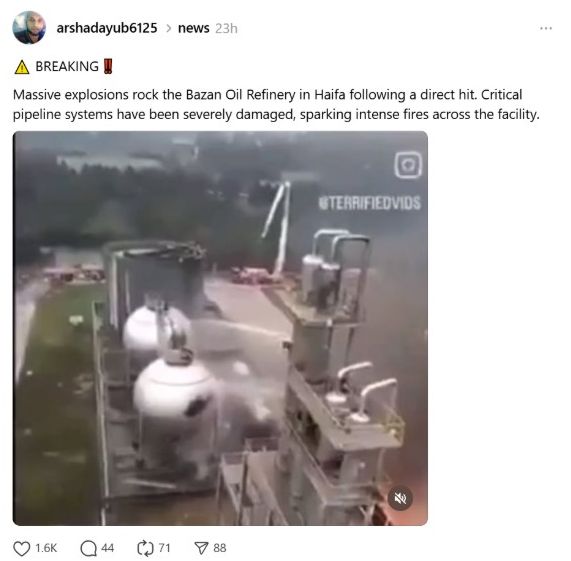
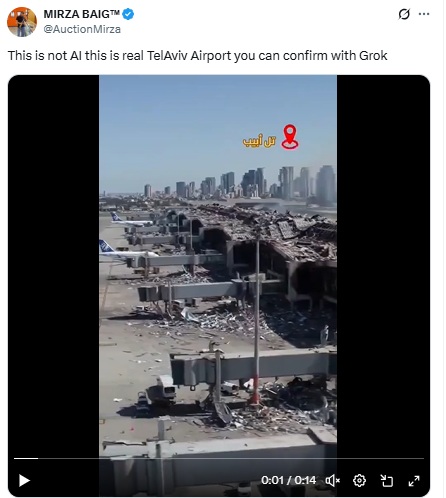
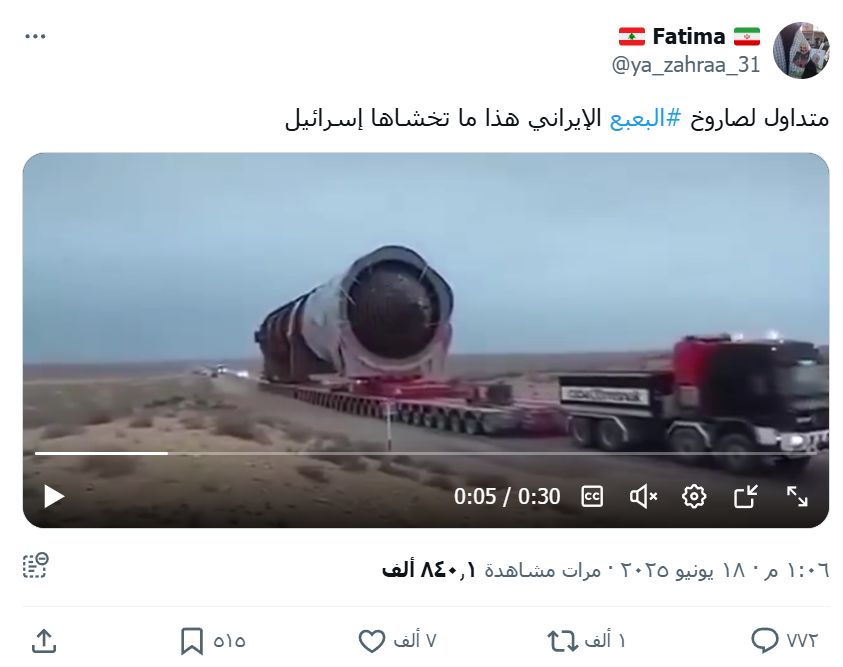
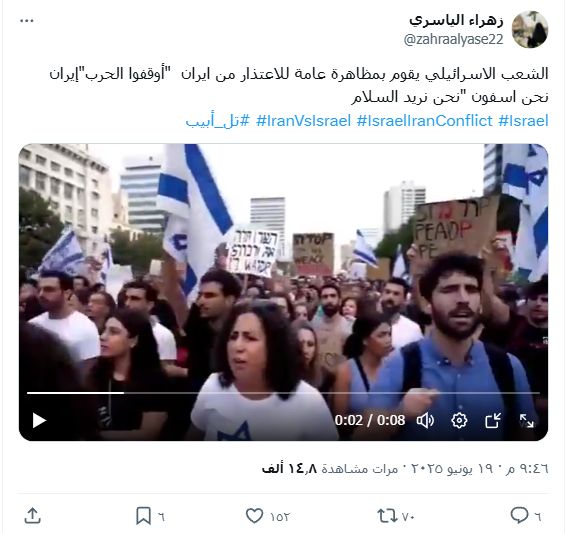
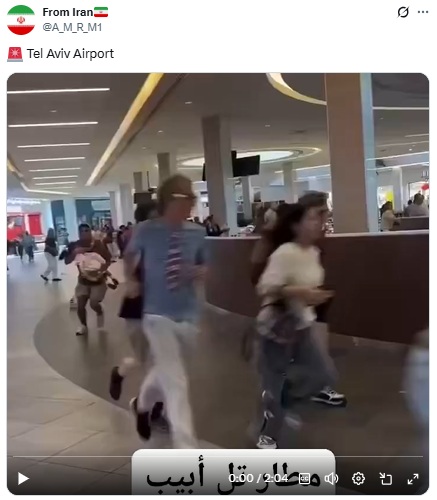
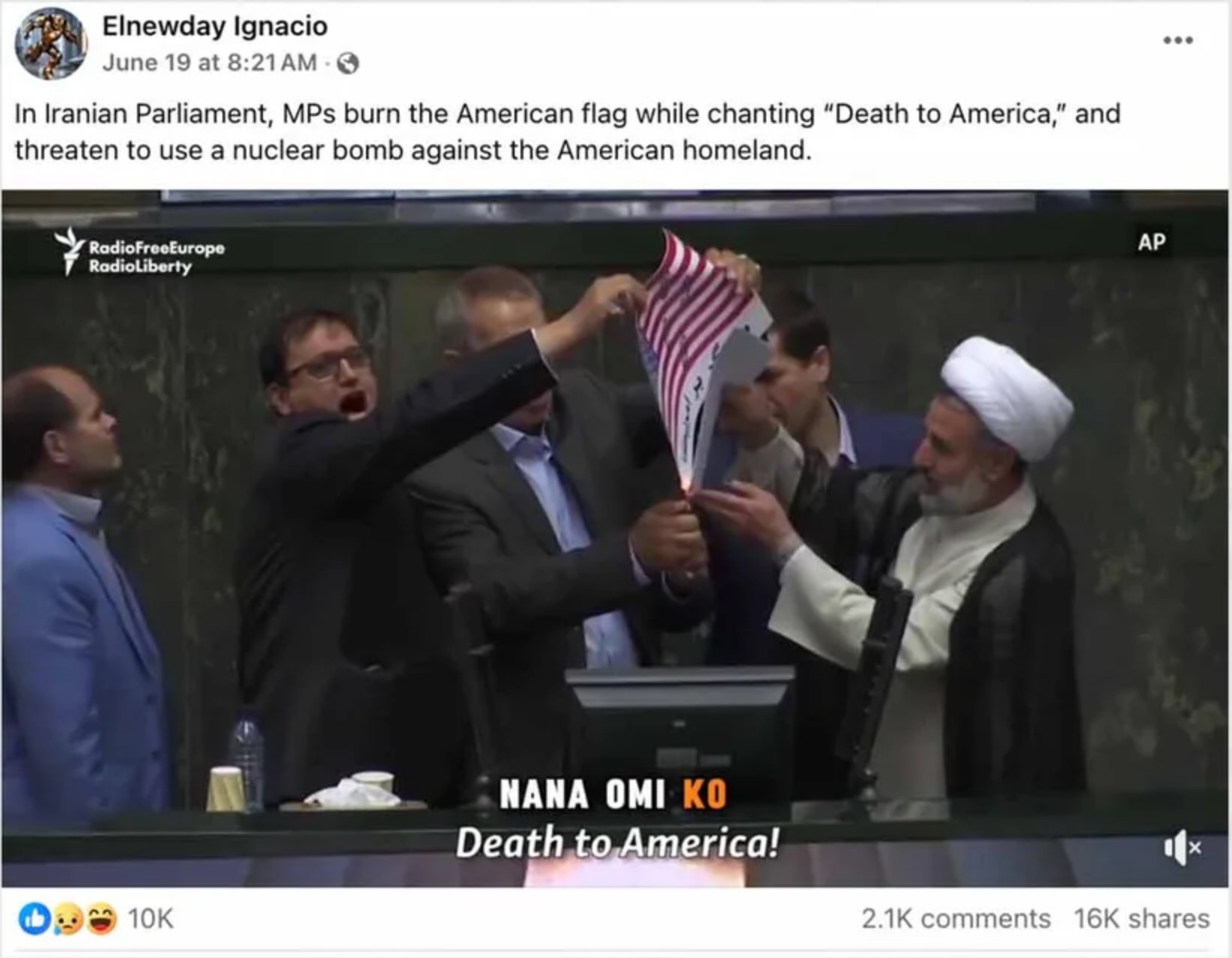
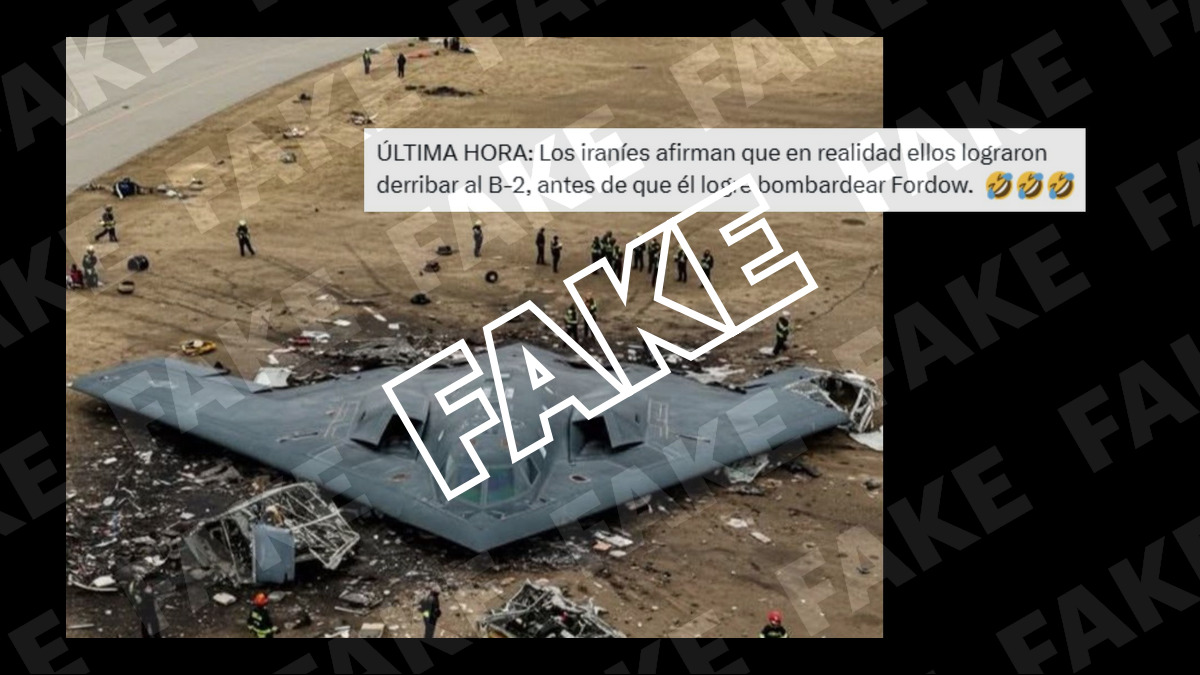
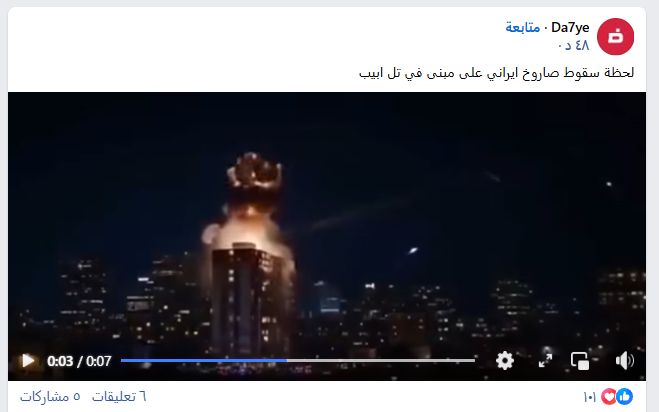
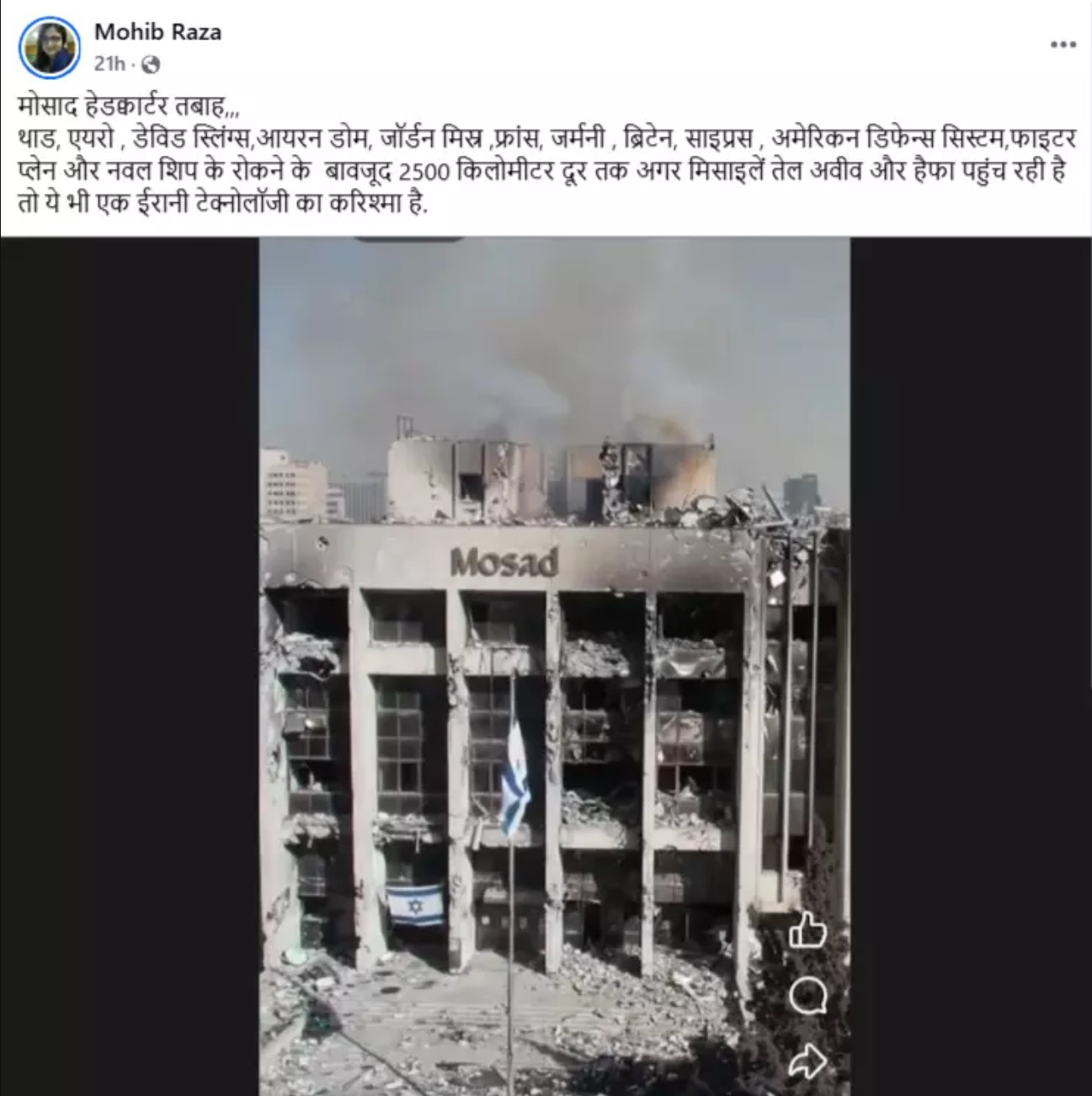
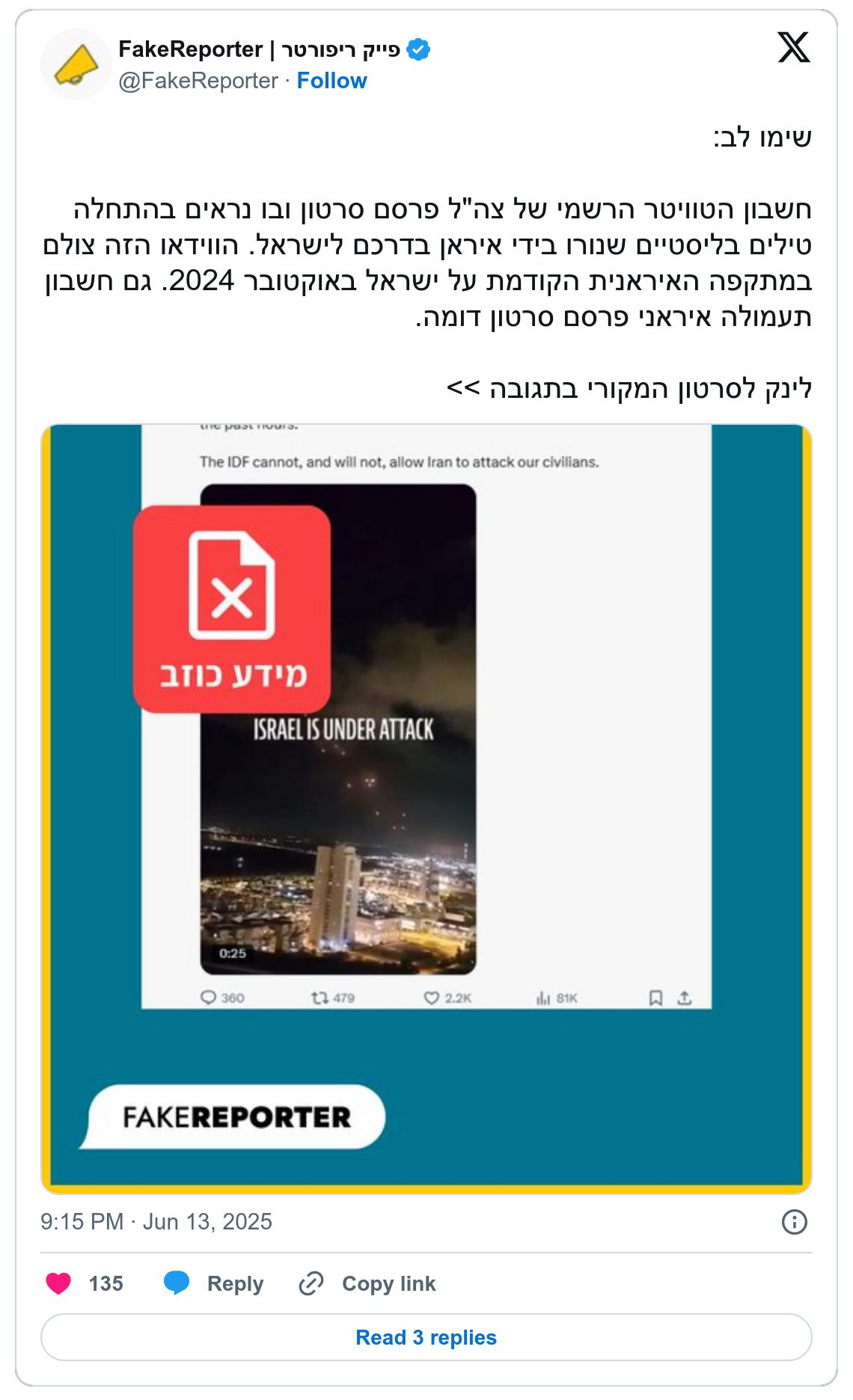
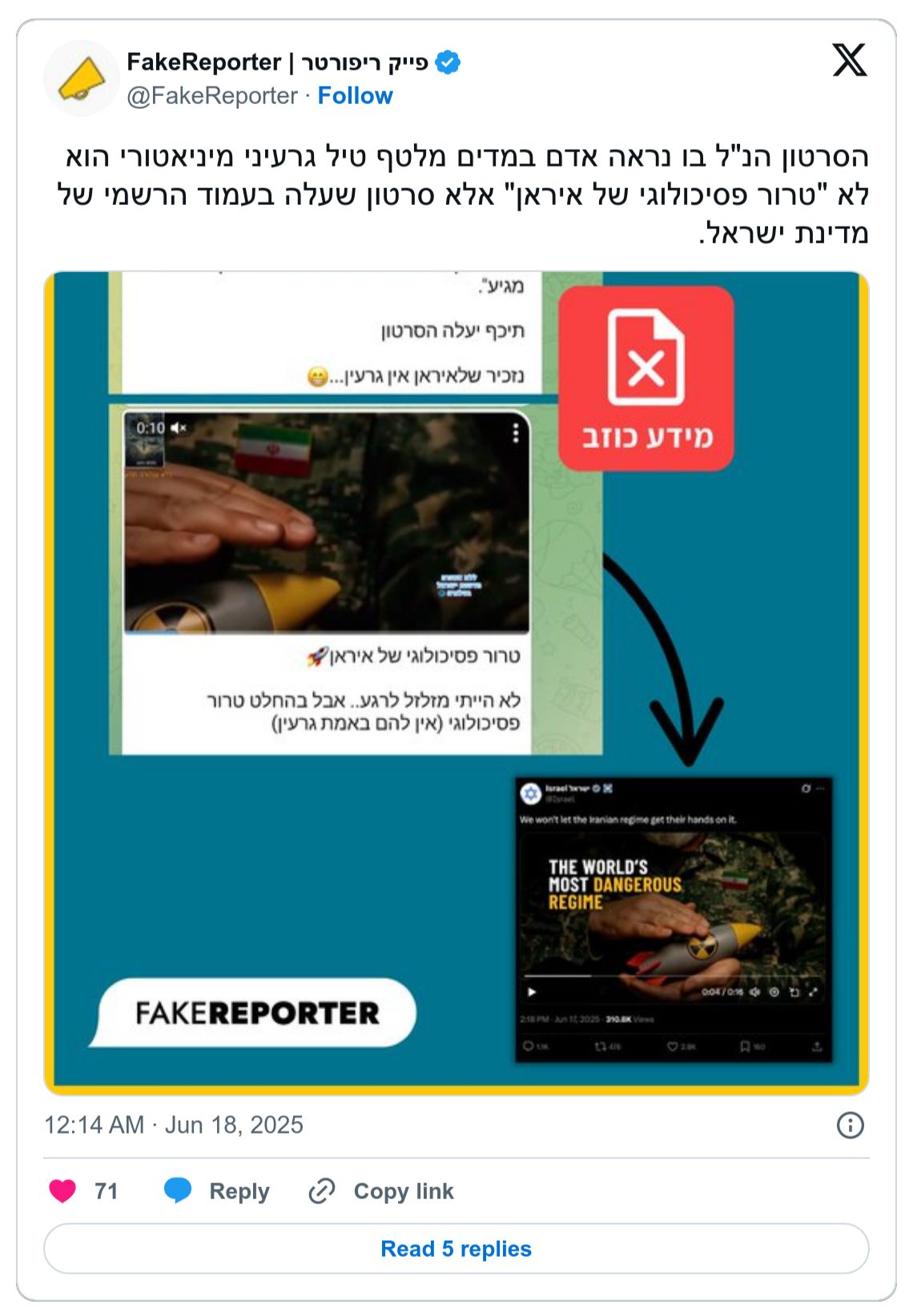
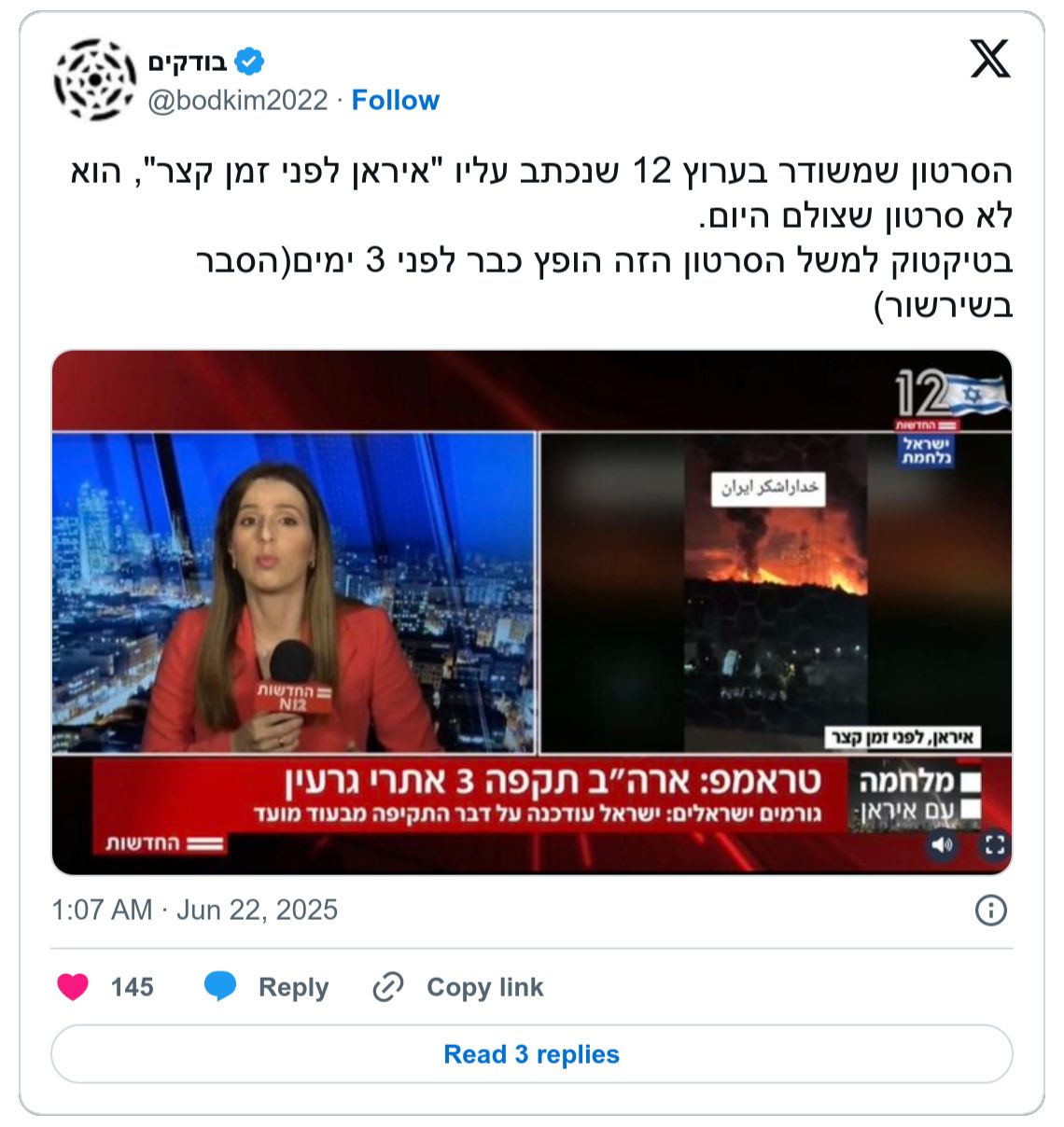
In terms of content, the current study indicates that fact-checks focused on visual content, and especially video clips (84% of the fact-checks), with a striking absence of other formats, such as live social media broadcasts (livestreaming), audio, text, and fabricated or deceptive claims disseminated on traditional mainstream media. Another notable finding is the prevalence of what we call “ballistic disinformation — visual content designed to inflate or resonate physical damage and destruction in the enemy’s home front caused by missile and aircraft attacks, in contrast to emotional, victim-centered narratives that typically appeared in disinformation content in previous conflicts. This pattern exploits the public’s limited access to information during a war in order to directly impact enemy consciousness and supplements actual military operations, in contrast to the use of moral claims that trigger external international pressure directed to the enemy. The current study also reveals the extent to which AI tools are used to fabricate content during the war: 20% of the fact-checks involved AI-generated content. AI-generated disinformation accounted for a relatively higher proportion of the fact-checked materials than more traditional methods of manipulation. Finally, findings show that fact-checking abilities and policies are largely a function of available tools and resources.
A key limitation of the current study stems from the reliance on content that was monitored and checked by the fact-checking organizations rather than a representative sample of all the deceptive items disseminated during the war. It is possible that more sophisticated content or content with limited dissemination was not checked and therefore not included in the current study. Furthermore, the methodology of the current study is based on the judgments, priorities, and resources of the fact-checking organizations, which currently operate under multiple constraints and pressure and therefore it is important to integrate the findings of the current study and compare them with complementary methodologies and additional perspectives on the disinformation environment during the war. It would also be interesting to compare the findings of the current study to similar and corresponding studies on the patterns and types of use of disinformation in other conflicts and regions around the world, and the fact-checking of this content.
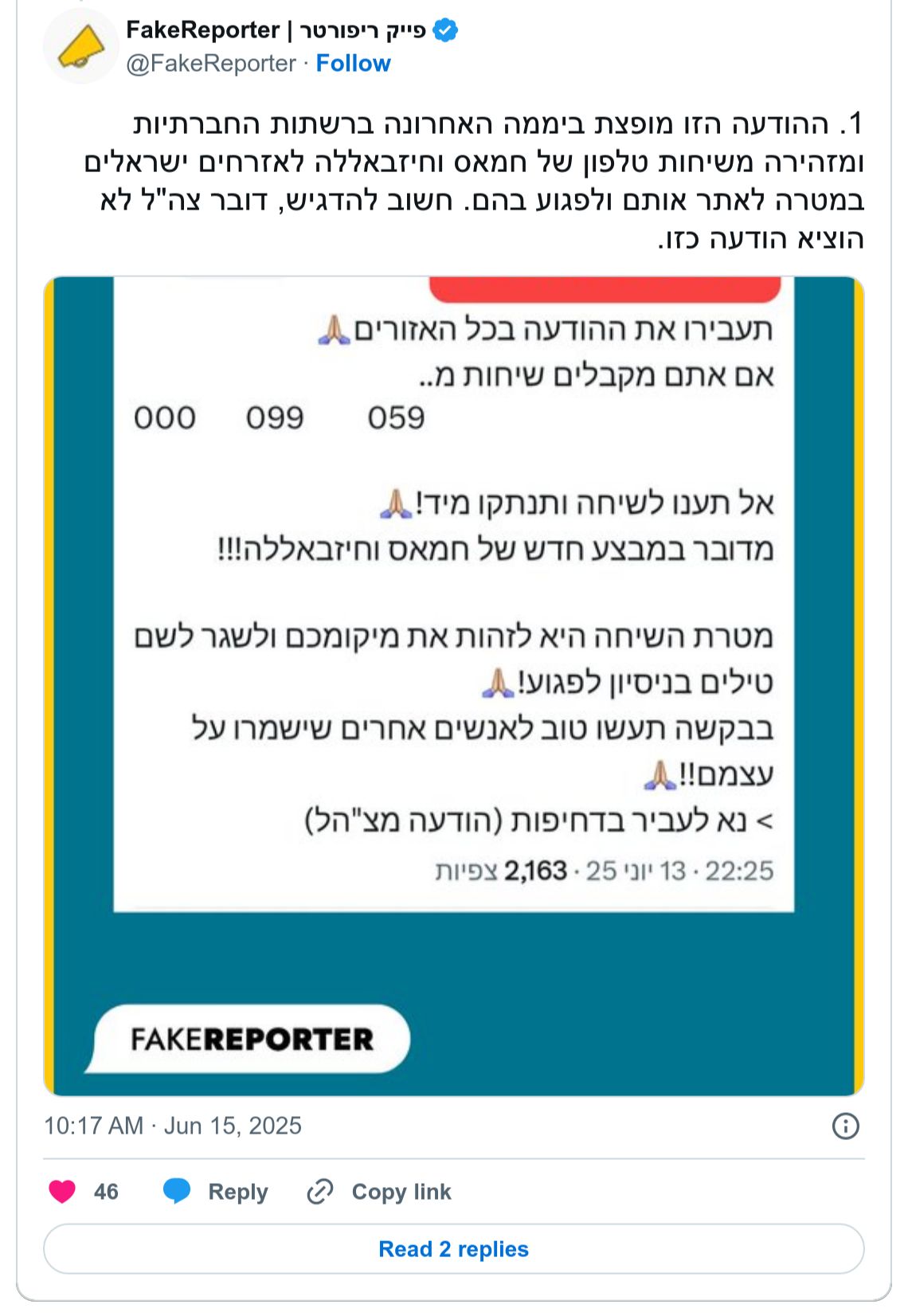
Despite its limitations, this snapshot of visual contents disseminated during the war — either decontextualized contents or AI-generated contents — stresses the importance of fact-checking and real time social media moderation. The majority of the content included in the current study was disseminated on social media and was designed to inflict psychological damage and trigger panic and confusion among civilians during the war. The diverse types of disinformation in use stress the importance of the work of human experts and independent fact-checkers in identifying the original context of the materials, and the need to integrate human fact-checkers in social media platform moderation efforts and supply chains.
The findings of the current study will hopefully contribute to a better understanding of the threats of disinformation and influence operations against civilians on social media, and on the internet in general, during wars and armed conflicts, and of the measures needed to address them. For fact-finding organizations, the current study also reveals the limitations and blind spots of fact-checking efforts. For platforms, the study offers a current snapshot of the types and nature of the threats and challenges related to wartime disinformation, and stresses the importance of cooperation with professional fact-checkers; For policy makers, the study urges to improve the protection of civilians in the digital environment, especially during crisis and war.
Gallery