-
Fact-Checking in Israel During the Israel–Iran War
Due to the absence of Israeli fact-checking organizations in the global arena, and in view of our aim of examining local fact-checking activities during the Israel–Iran War, the current study also includes a targeted analysis of the content checked by the main fact-checking organizations operating in Israel. A total of 58 fact-checks were published by the Israeli fact-checking organizations during the war.
-
The Fact-Checking Field in Israel
A comprehensive mapping of the information environment in Israel indicates that the fact-checking field is both underdeveloped and limited in the number of organizations in operation and the scope of their activities.[1] Currently, three main fact-checking organizations operate in Israel and were examined in the current study: FakeReporter (38 fact-checks), Bodkim (20 fact-checks), and Hamashrokit (affiliated with Globes, a financial newspaper). Hamashrokit is the only Israeli fact-checking organization that is a member of IFCN. The current study finds that Hamashrokit published only two war-related fact-checks during the Israel–Iran War, and even these were based on outside fact-checkers, and therefore were not included in the study. Another focal challenge is the lack of fact-checking organizations that target different minority groups in Israeli society, such as Haredi society, Arab society, or Russian speakers, although these groups account for a significant proportion of the general population. The existing fact-checking organizations also do not target these groups or publish fact-checks in their language. Furthermore, the fact-checking organizations and civil society in Israel face financial and political pressure that limits their ability to operate effectively.
-
Content – Major Trends and Differences in Comparison to the Global Fact-Checking Field
This section presents the findings that emerged from the analysis of the content checked by Israeli fact-checking organizations.
2.1 Types of Disinformation During the Israel–Iran War in the Israeli Fact-Checking Facts
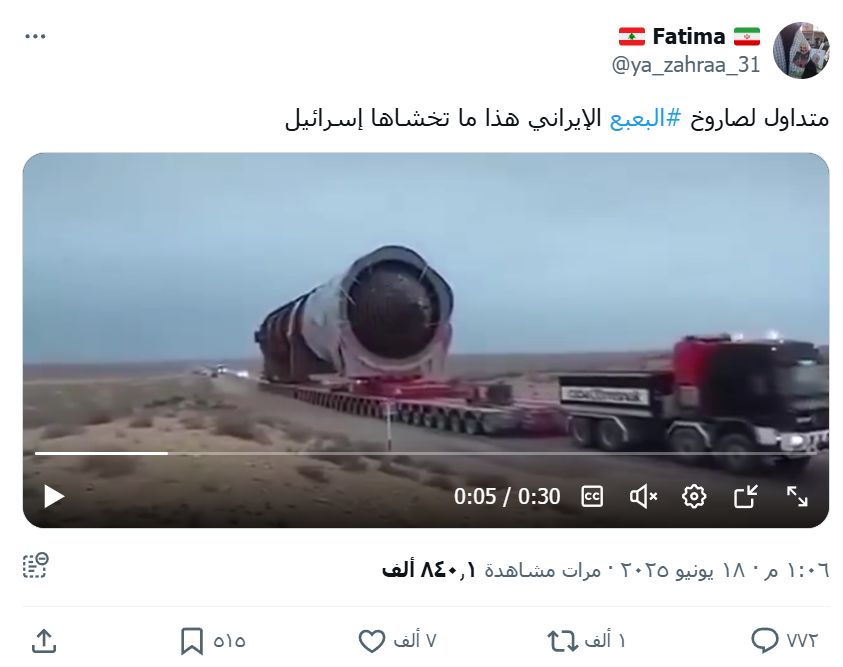
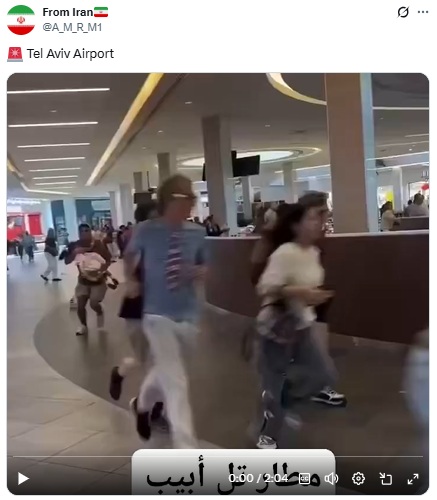
An analysis of the types of disinformation checked by the Israeli fact-checking organizations indicates that the most prevalent type of disinformation is false connection, which appeared in 66% of the checks, in contrast to the global trend, where the most prevalent type of disinformation is out of date. The second most prevalent type of disinformation checked by Israeli fact-checking organizations is out of date content (53%), and in third place in terms of prevalence — similar to the global trend — is out of place content (40%).

Figure 9. Disinformation Types Checked by Israeli Fact-Checking Organizations During the War
Here as well, many items included multiple types of decontextualization. Content that was both out of date and out of place was found in 22% of the cases of disinformation, compared to 50% found in the global fact-checks, and 79% of the cases contained one or more of the three types of decontextualization (out of date, out of place, false connection). As a result, this is the largest type of disinformation in the Israeli fact-checks, similar to the situation in the global landscape. In contrast, fabrications appear in 36% of the Israeli fact-checks, accounting for a higher proportion compared to the global fact-checks (15%). In the following order of prevalence are imposter content (14%) and manipulated content (12%), and these types also account for a higher proportion of the Israeli fact-checked items compared to the global fact-checked items (2% and 5%, respectively).
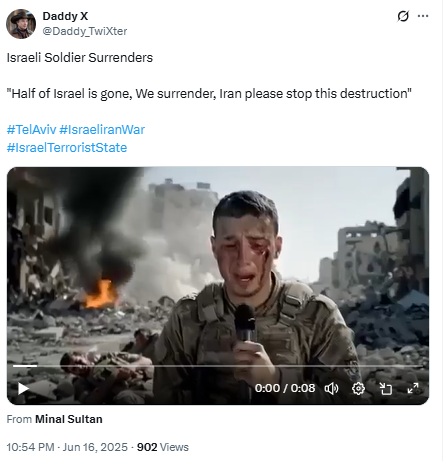
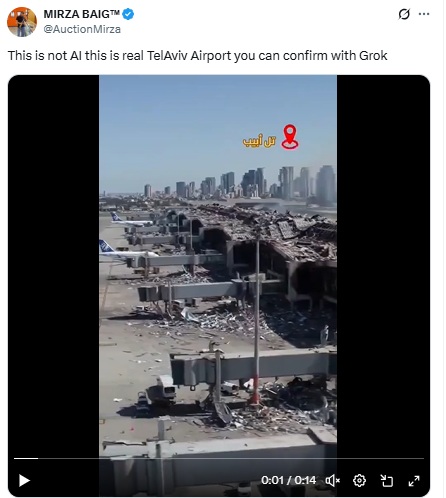
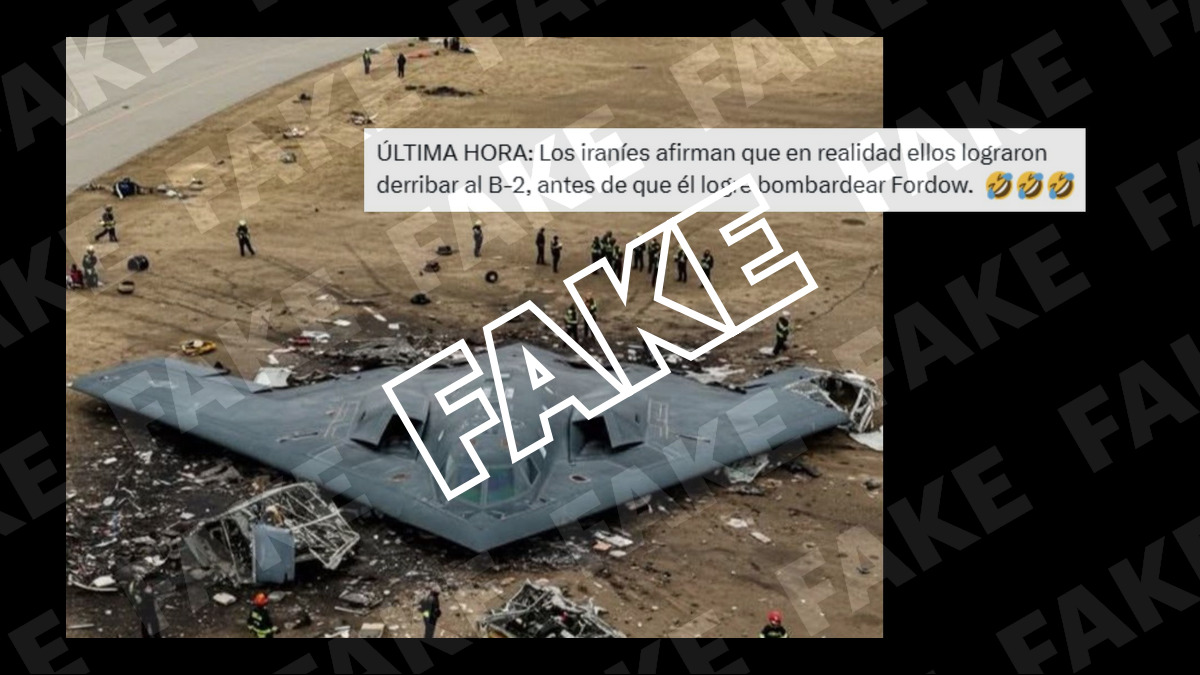
It is interesting to see that AI-generated content was the rarest type of disinformation in the fact-checks performed by Israeli organizations — AI-generated content accounted for a mere 10% (6 checks) of the checked content by these organizations, compared to 20% of the global fact-checks. However, all the items in which AI-generated content was identified were checked by FakeReporter, and they constitute 16% of all the items checked by Israeli fact-checking organizations, close to the global proportion. In contrast, Bodkim did not fact-check AI-generated content and instead focused on fabricated claims and fabricated content, which constituted 65% of the items it checked, and most of these were published in or on behalf of traditional media and politicians.

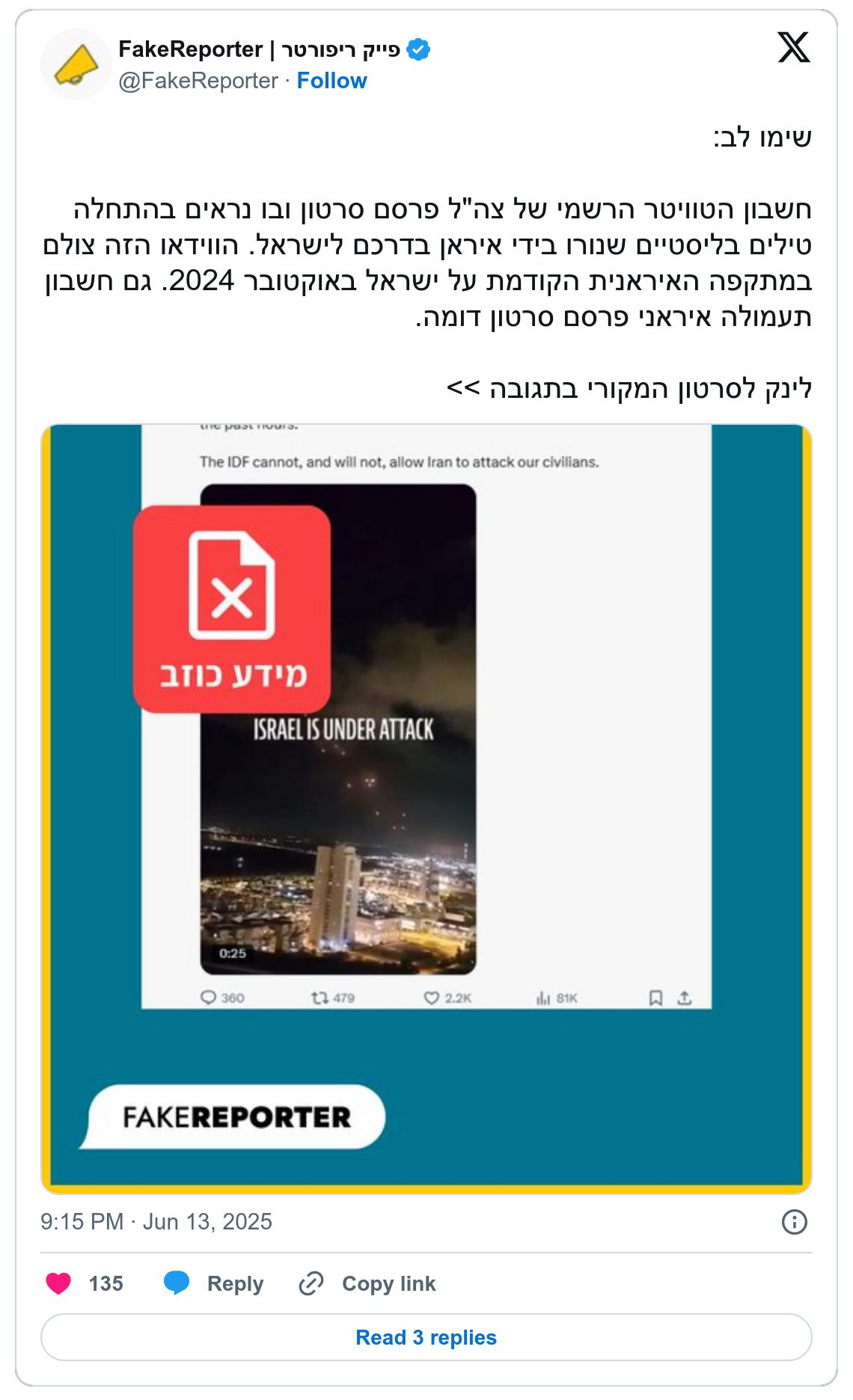
Image 20. Example of recycled content originating from the IDF Spokesperson regarding the Iranian missile attack against Israel in October 2024 (and not regarding the Israel–Iran War in 2025).[2]

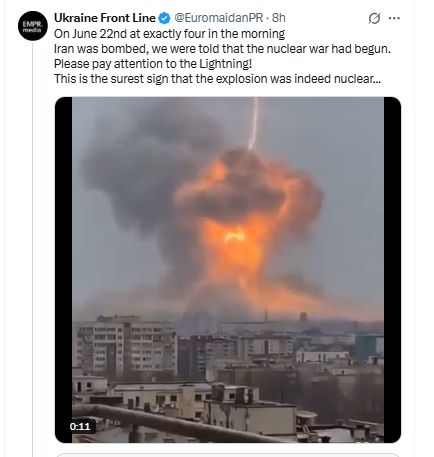
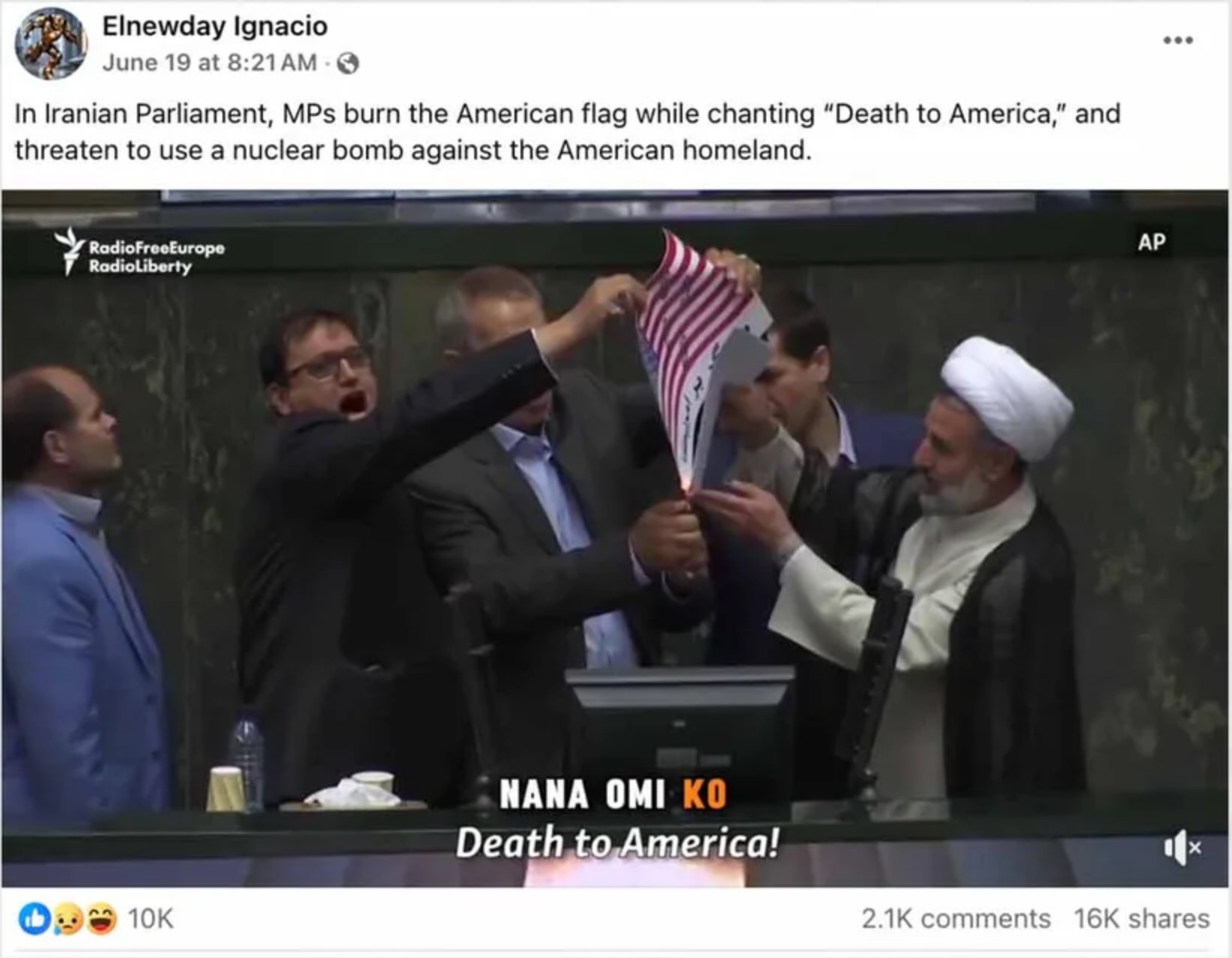
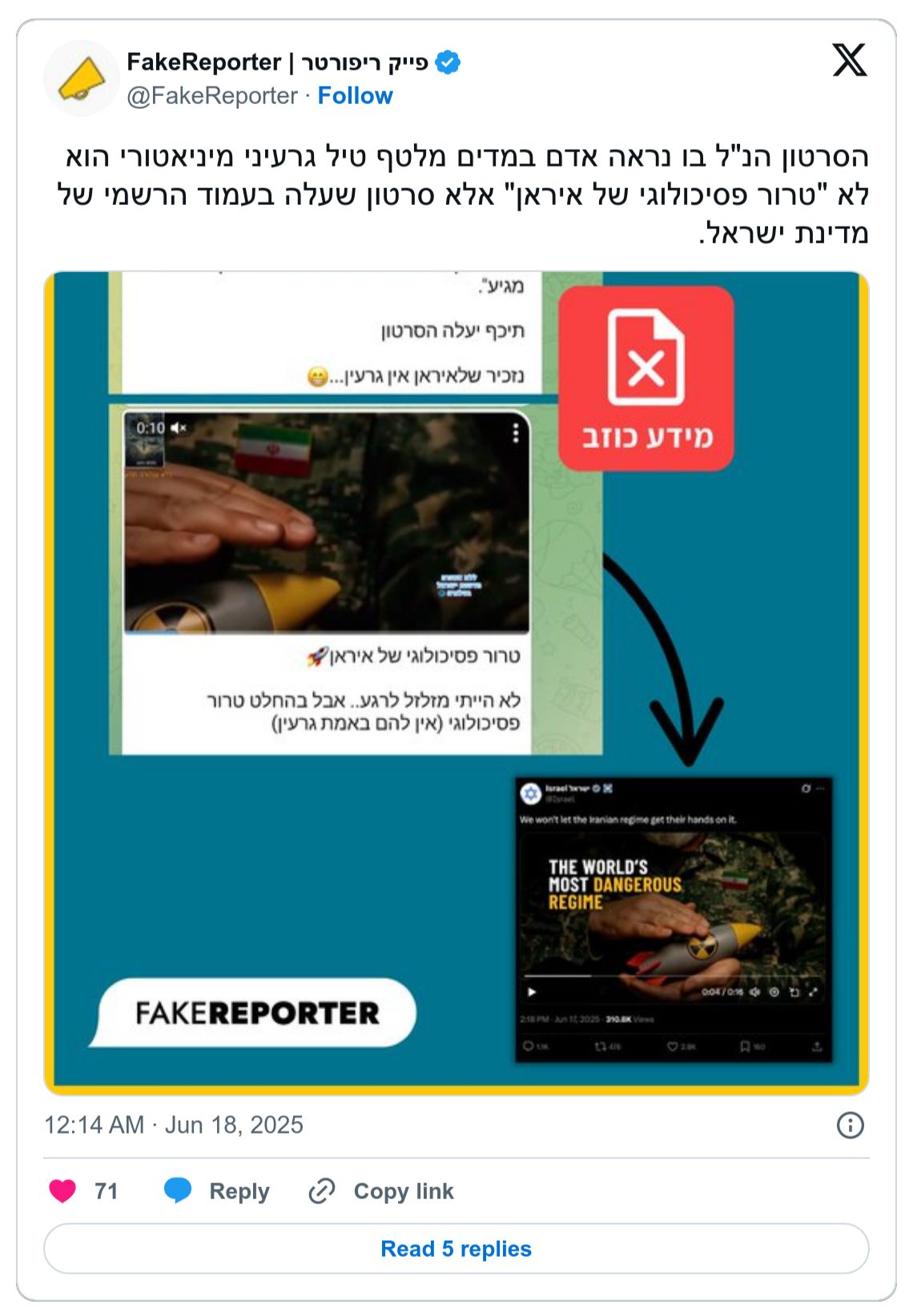
Image 21. An image that appeared on the State of Israel’s official X account, containing an image of an Iranian nuclear bomb, was disseminated with the claim that it had been posted on official Iranian accounts as psychological terror against Israel.[3]

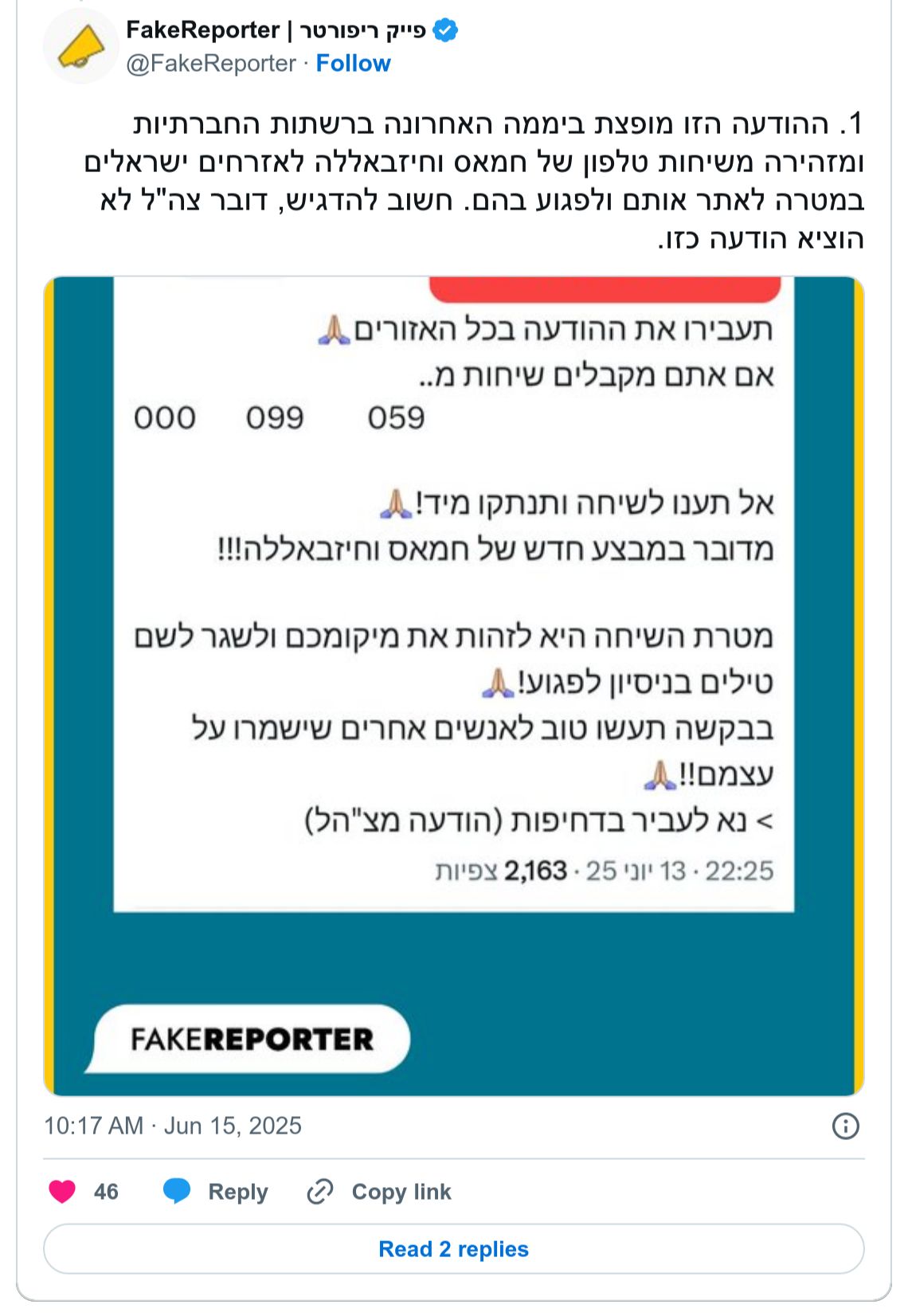
Image 22. Fabricated IDF announcements, designed to trigger panic.[4]
 |
 |
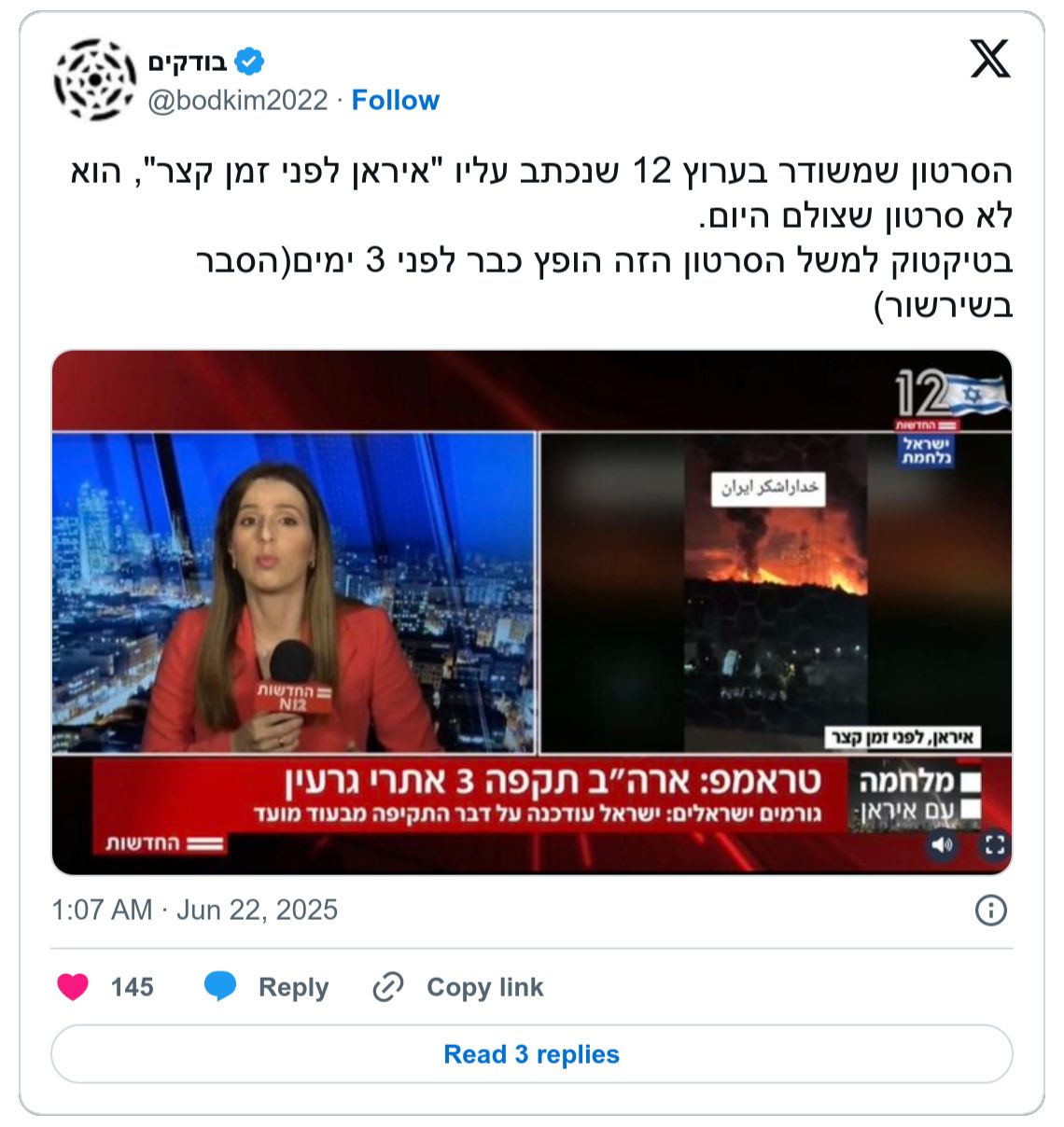
| Image 23. Clip broadcast on Channel 12 alleging to have been filmed “a short while ago,” but in fact had been posted on social media three days earlier.[5] | Image 24. Clip broadcast on Channel 14 allegedly showing “Israeli aircraft in Iranian skies.” The clip is a fake and was refuted when first broadcast in October 2024.[6] |
 |
 |
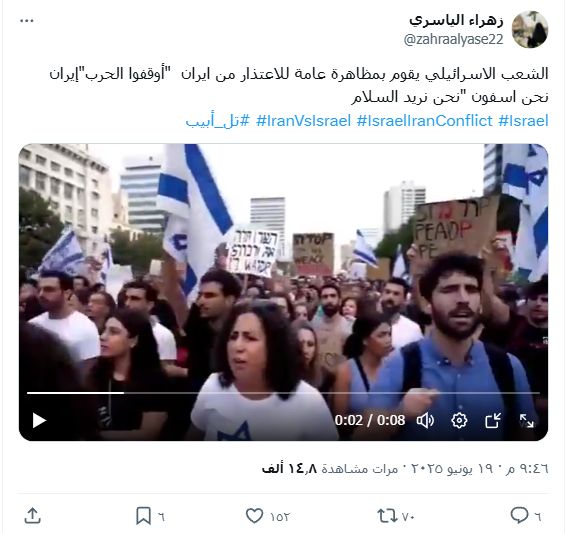
| Image 25. Fabricated quote stating that the Netanyahu family fled to Greece, allegedly on behalf of journalist Ben Caspit.[7] | Image 26. AI-generated clip that allegedly shows pro-Israel demonstrations in Iran.[8] |
 |
|
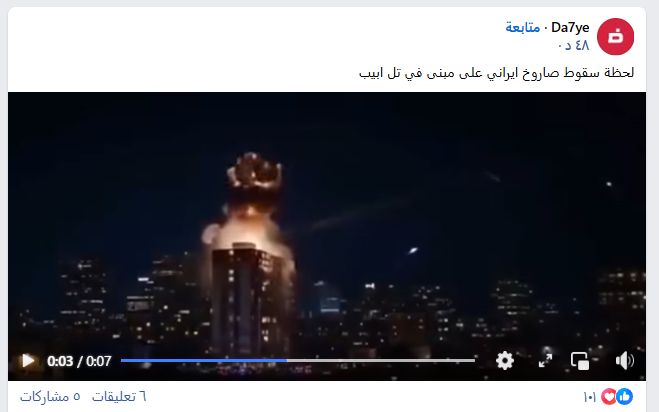
| Image 27. AI-generated image showing damage to a building in Tel Aviv caused by a direct Iranian UAV attack.[9] |
2.2 Formats of Disinformation Fact-Checked in Israel
Similarly to the global trend, video clips also accounted for the majority of fact-checked items in Israel (67%). Interestingly, in contrast to the global trend, textual information and images accounted for a larger share of the fact-checked items in Israel (31% and 16% respectively) compared to the global trend (3% and 13%, respectively). This difference is also due to Bodkim’s focus on this type of content.

Figure 10. Format of content checked by Israeli organizations
Another important finding is that, as a result of Bodkim’s focus on false information appearing in traditional media, 34% of the content that underwent fact-checking by Israeli organizations was fact-checked after they appeared in the media, compared to a mere 2% of the content fact-checked by global fact-checking organizations, most of which focused on content disseminated on social media.
2.3 Themes in Disinformation Fact-Checked in Israel
The main themes that emerged from an analysis of the fact-checks by Israeli organizations are similar to the themes that emerged from the global fact-checks, although their distribution differs slightly.[10]

Figure 11. Distribution of themes in the Israeli fact-checked content
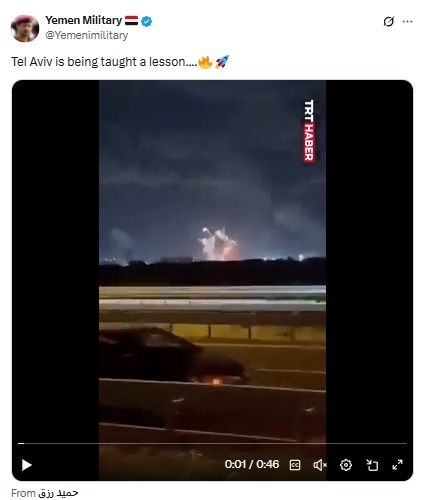
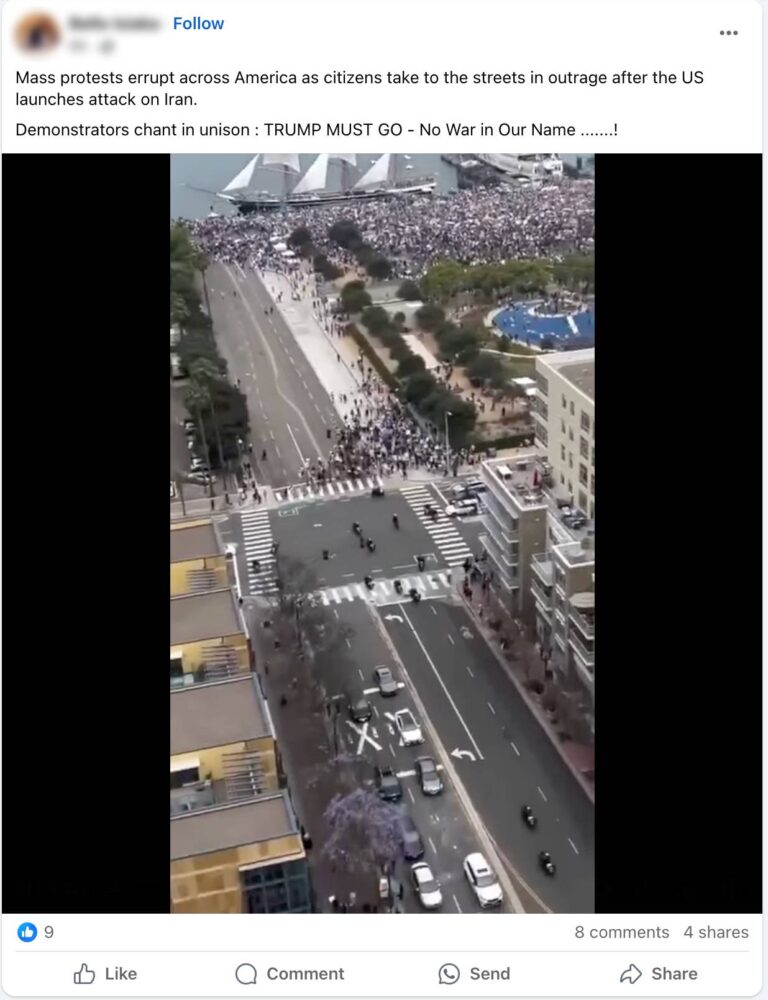
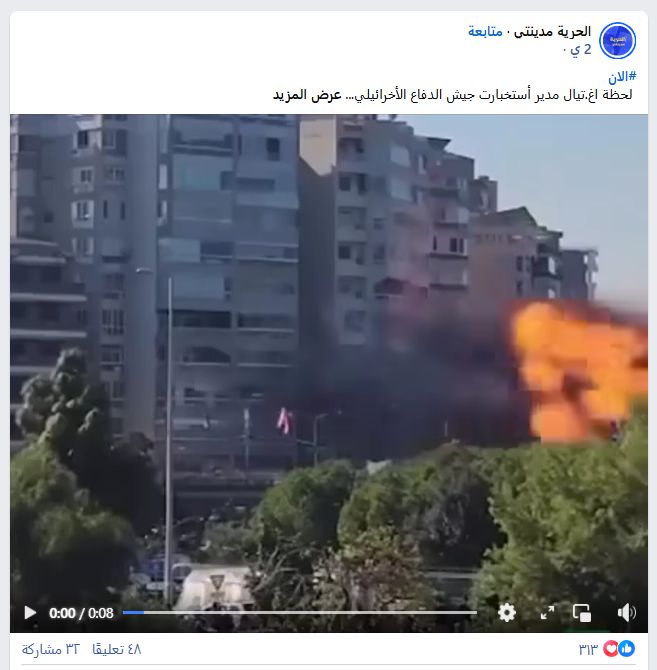
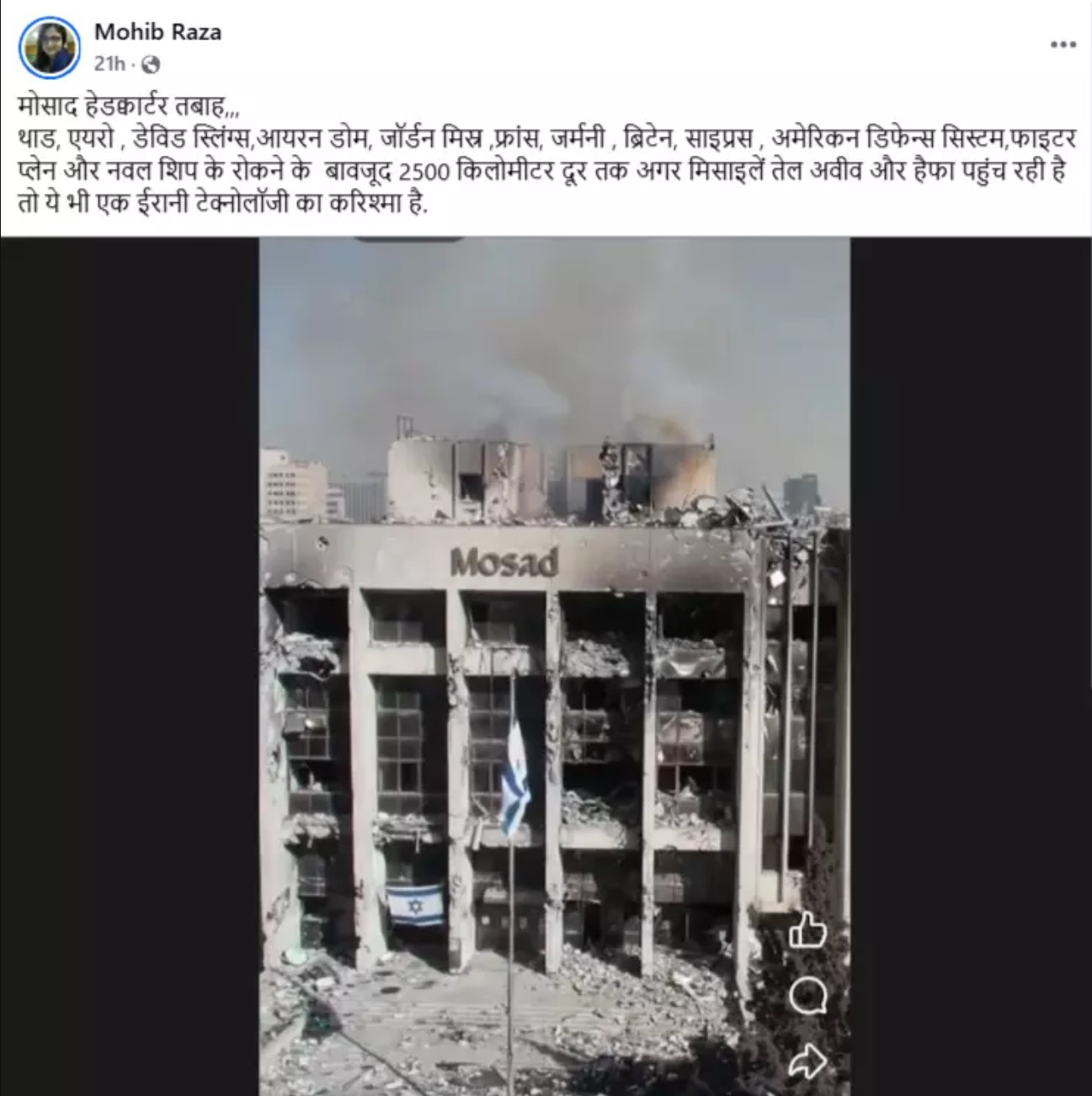
The main themes that characterize the content checked by Israel fact-checking organizations are related to displays of military force (33%) and explosions (26%). It is interesting to note that the theme of political issues was third in frequency, accounting for 22% of the checked content, compared to a mere 9% in the content checked by global fact-checking organizations. This content included a claim by an Iranian account that the UAE supplied emergency medical equipment to Israel, a post that attracted more than 1.5 million views, or a clip of former Israeli PM Naftali Bennet, whose biased editing creates the impression that he does not support the attack against Iran. Approximately one-fifth of the checked content (21%) was related to the theme of physical damage (in contrast to the global fact-checking field, where this theme accounted for a higher proportion of the content), and the remainder to civil panic (19%), protests (7%), and assassinations (2%).
2.4 Motivation for Creating and Disseminating the Content Fact-Checked in Israel
An unusual and interesting finding emerged with respect to the motivation for creating and disseminating the false content that was checked by the Israeli organizations: In contrast to the trend in global fact-checking, Israeli fact-checking organizations focused mainly on false content that might serve Israeli interests (57%, compared to 24% in global checks) and relatively few items that might serve Iranian interests (34%, compared to 72% in global checks).

Figure12. Motivation for disseminating disinformation in content checked by Israeli organizations
- Fact-Checking Motives – Political Bias or Loyalty to the Facts?
The interesting differences in the motivation of Israeli and global fact-checking organizations in selecting the content for fact-checking raise the question of whether the Hebrew-language content selected for fact-checking reflects biases in the selection of the materials for fact-checking. We therefore classified the contents checked by the fact-checking organizations by the motives for creating and disseminating each item. Findings show that, other than the tendency of Israeli organizations to fact-check disinformation that might favor Israel, no biases were evident, and the distribution of underlying motives for selecting the fact-checked content is relatively similar across all fact-checking organizations.

Figure 13. Fact-Checked Content by Motivation for Dissemination – Organizations
We also analyzed the motives for creating and disseminating the content by the language of the fact-check report, as language may be an indication of the report’s target audience and the audience that has access to the report.[11]

Figure 14. Fact-Checked Content by Motivation for Dissemination – Languages
This comparison does not yield exceptional findings regarding differences in fact-checking motivation by fact-check language of publication, but it does reveal an interesting similarity between fact-checking in Hebrew and in Farsi: Fact-checks in Hebrew largely addressed disinformation that might serve Israel, and fact-checks in Farsi largely addressed disinformation that might serve Iran. It is important to note that Factnameh, the single fact-checking organization that publishes its reports in Farsi, is registered in Canada and employs Farsi-speaking staff worldwide, and expresses a critical approach to the Iranian information environment and media channels.[12]
Gallery




References
[1] Ram et al., 2025.
[2] FakeReporter@ (June 14, 2025). Note: The IDF’s official Twitter account posted a clip showing, at the beginning of the clip, ballistic missiles fired by Iran on route to Israel [Tweet]. X. https://x.com/FakeReporter/status/1933634358784524773
[3] FakeReporter@ (June 18, 2025). This video clip showing a man in uniform stroking a miniature nuclear missile is not “Iranian psychological terror” but rather a film….. [Tweet} X .https://x.com/FakeReporter/status/1935129042778251452
[4] FakeReporter@ (June 15, 2025). 1.This announcement was disseminated in the past day on social media and cautions against telephone calls from Hamas and Hezbollah to Israel citizens with the aim of locating them and causing them harm. [Tweet]. X. https://x.com/FakeReporter/status/1934193474837831844
[5] Bodkim [@bodkim 2022] (June 22, 2025). The clip broadcast on Channel 12, with the caption “Iran a short while ago” is not a clip that was filmed today. The clip was disseminated on TikTok for example on…. [Tweet]. X. https://x.com/bodkim2022/status/1936591851429023993
[6] Bodkim [@bodkim 2022] (June 20, 2025). Channel 14 show the “Independence Day Flyover in Iranian Skies,” Israeli jets in Iranian skies. The fact: This is an old film, a fake that was posted on channel…. [Tweet]. X. https://x.com/bodkim2022/status/1936074986072293456
[7] Bodkim [@bodkim 2022] (June 14, 2025). Fake news disseminated on social media that Netanyahu fled to Greece, in Hebrew and in English. The supposed quote by Ben Caspit is also false. [Tweet]. X. https://x.com/bodkim2022/status/1933813518882443395
[8] FakeReporter [@FakeReport] (June 18, 2025). This film that is running on social media supposedly shows pro-Israel demonstrations in Iran – was created using AI. [Tweet]. X. https://x.com/FakeReporter/status/1935431036495688122
[9] Fake Report [@FakeReport] (June 17, 2025). An account called “Yemenite Jews” (50K followers) posted a clip showing alleged damage to a high-rise building in Israel caused by a direct hit by an Iranian UAV. X. https://x.com/FakeReporter/status/1934933562844709214
[10] Each fact-check may represent multiple themes. Therefore the total number of theme counts exceeds the number of fact-checks.
[11] We selected the language of the report rather than the fact-checking organization’s country of registration or operation because several organizations publish their reports in languages that are not the country’s official language. For example, an organization registered in Canada publishes reports in Farsi. The Figure does not include Romanian or Japanese because only one fact-check was performed in each of these languages.
[12] Factnameh (n.d.). About us. https://factnameh.com/en/about