The Global and Israeli Fact-Checking Field during the Israel–Iran War
Based on the main findings of the current study, we can say that the fact-checking field that monitored and checked war-related content that was disseminated on social media was broad and diverse in terms of the number of countries and languages represented by the examined fact-checking organizations. The large number of actors and the wide range of languages that were involved in war-related fact-checking reveal the global nature of this war and the extensive attention that it attracted, both among the fact-checking organizations and among their local audiences. We can also assume that the false and manipulated content was disseminated in the local language of each target country, which stresses the global dynamics and borderless nature of disinformation in wartime. Although the international public, the media, and academic discourse focus on western organizations and experts, especially from Western Europe and North America, the current study highlights that extensive fact-checking activities take place in other areas of the world, and it is necessary to incorporate a broader range of fact-checking organizations in the international discourse in order to reflect the needs and biases of various communities. An analysis of the findings shows, for example, India’s prominent role as an important and particularly active actor in the fact-checking field: Eight Indian fact-checking organizations examined publications related to the Israel-Iran War. Also notable is Misbar, a Jordan-based organization, which was the source of the largest number of fact-checks published during the war, according to the current study.
It is also interesting to note that the study found no differences in bias or motivation underlying the selection of the content fact-checked by the various fact-checking organizations or the fact-check publication language. In general, the majority of the checked content potentially favored Iranian interests or was designed to adversely affect Israeli interests. This prominent finding, based on a broad examination of diverse organizations, may indicate the dominance of pro-Iranian (or anti-Israeli) entities involved in the creation and dissemination of false and manipulated content during the war, and may further attest to similar fact-checking policies and standards used by the organizations included in the current study. The prominent exceptions to this distribution of motives appear in the fact-checks published in Hebrew and Farsi: Israeli fact-checking organizations focused mainly on disinformation that potentially serves Israeli interests, while the organization that performs fact-checks in Farsi examined more items that potentially favor Iranian interests, compared to most of the organizations in the global fact-checking field. The difference between the fact-checks performed by organizations operating in Hebrew and Farsi and the other fact-checking organizations underlines the importance of local fact-checking organizations that function as critical gatekeepers that protect local network and information environment users against false content related to crises and war.
The features of the disinformation disseminated and fact-checked during the Israel–Iran War
The collection and analysis of the fact-checks performed by several tens of fact-checking organizations during the war allow us to gain insights and a better understanding of the information environment and dissemination of disinformation during the Israel–Iran War, and in contemporary wars in general. It is nonetheless important to stress that the analysis of the content was based on the fact-checks performed by these organizations, and it does not constitute a direct and representative analysis of the entire digital media field during the war.
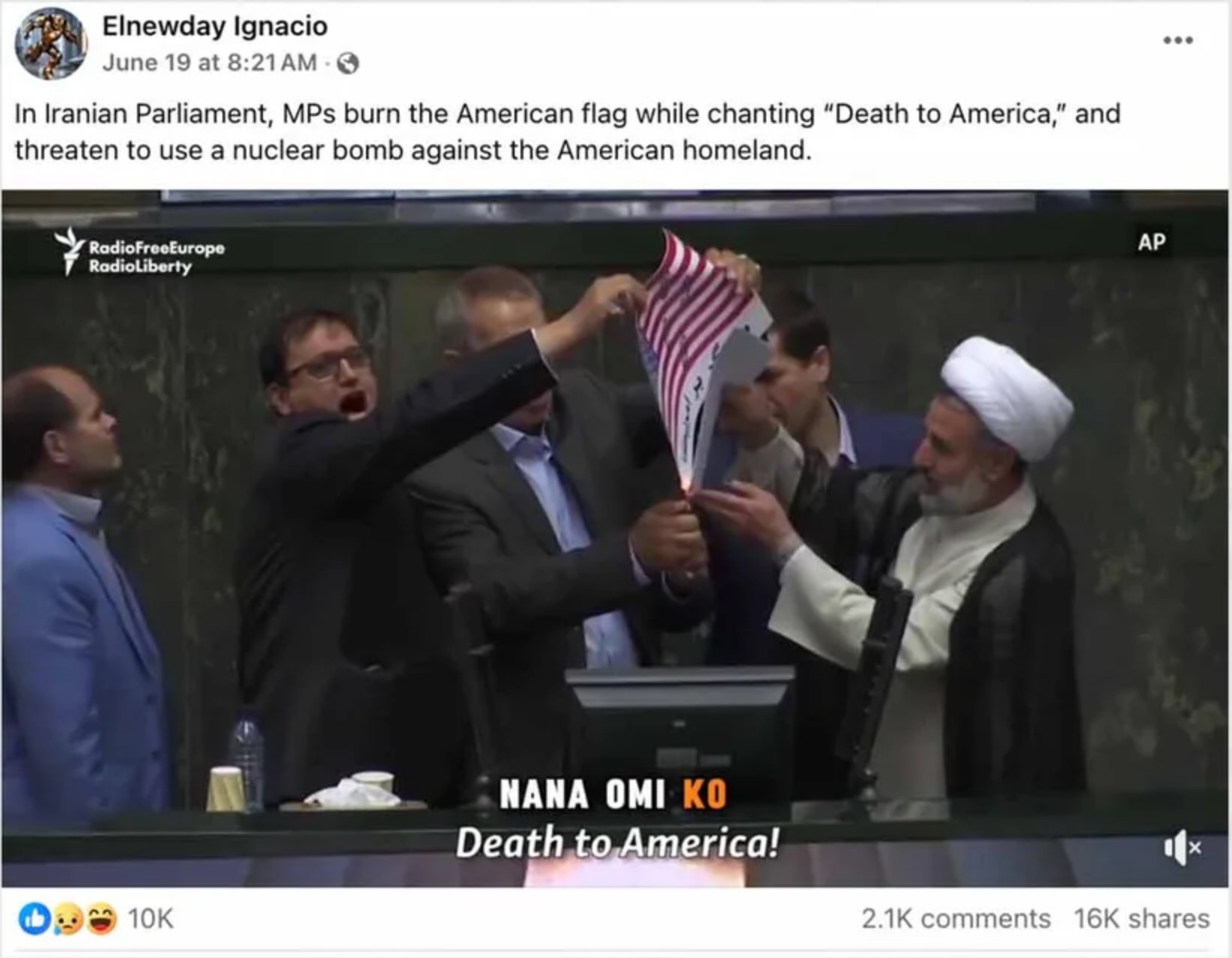
A striking finding in this analysis is related to the breakdown of disinformation items by format. The vast majority of the fact-checked content is visual – most of them in video format (84%), followed far behind by images (13%) and text (3%). Research has found that a high proportion of disinformation content to which social media users are exposed is visual items, also because social media algorithms prioritize video clips, which typically generate greater exposure and engagement compared to other types of content. The findings of the current study show a similar pattern in the Israel–Iran War.[1] The fact-checks’ focus on video clips and images attests to the strongly visual nature of war-related disinformation; Such content was clearly used to deceive viewers and exploit social media’s prioritization of such content. Still, it is possible that this focus also reflects a bias on the part of the fact-checking organizations and their own preference to address video content, either because such content generates greater engagement and interest among their own target audiences and the media, compared to textual content, for example, or because visual items are easier to find and verify. It is also interesting to note that no fact-checking work addressed claims made in live–stream videos on social media: These are more difficult to monitor or verify in retrospect. In other words, if disinformation is disseminated through live broadcasts on social media platforms, this type of disinformation may slip under the fact-checkers’ “radar.”
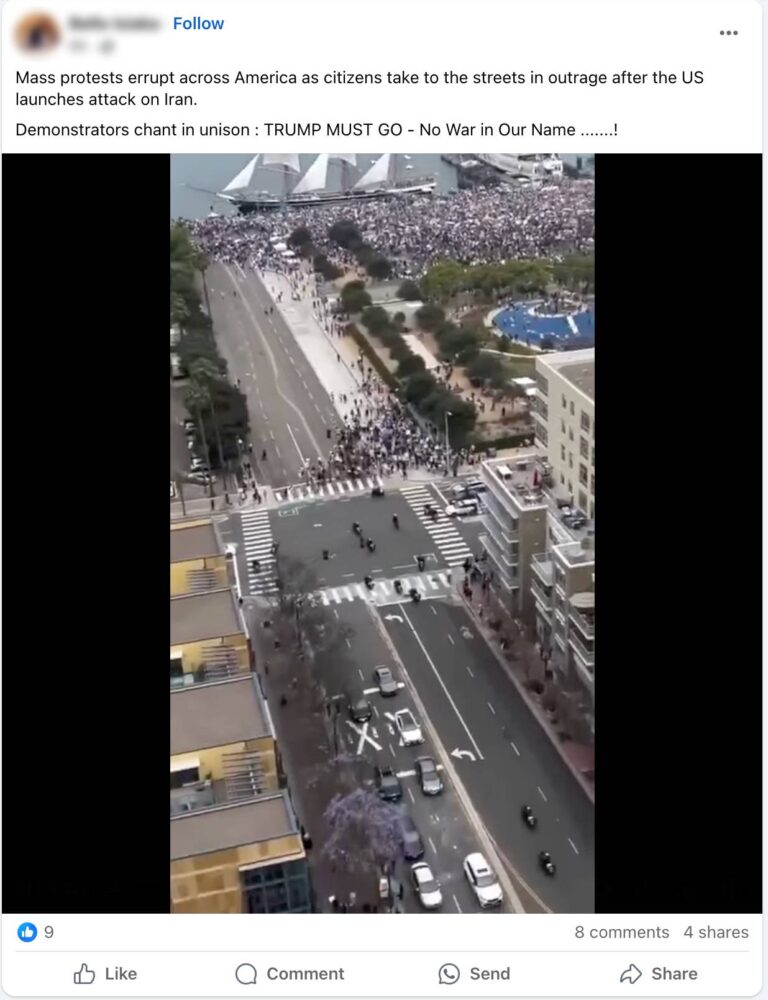
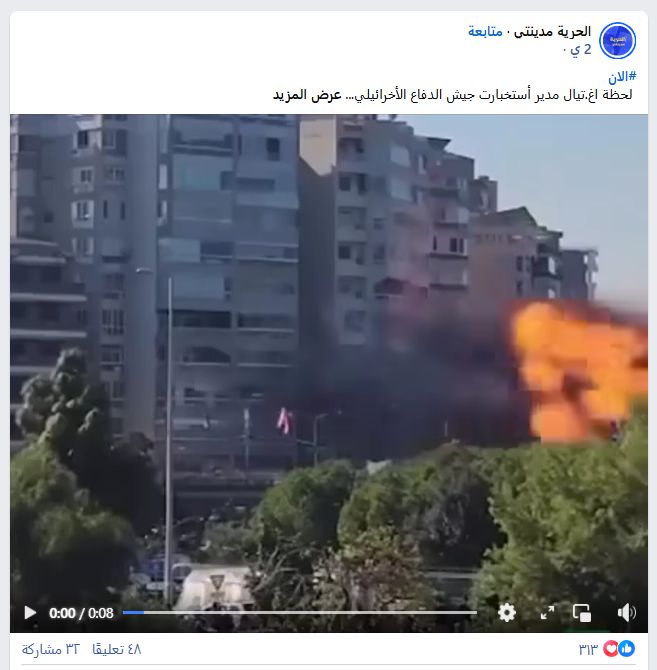
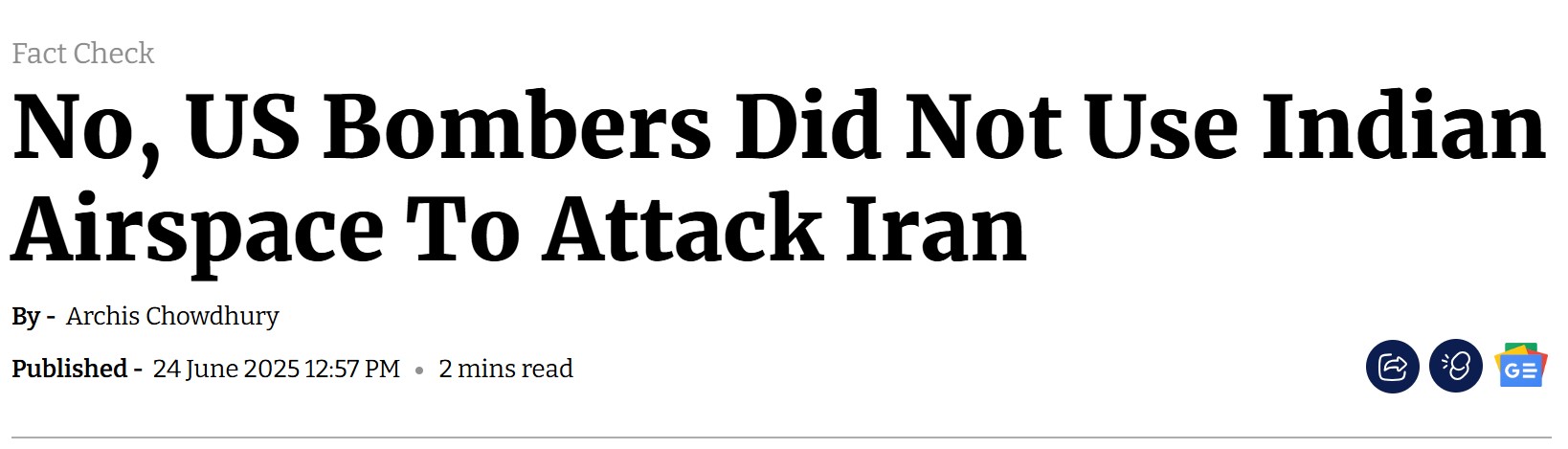
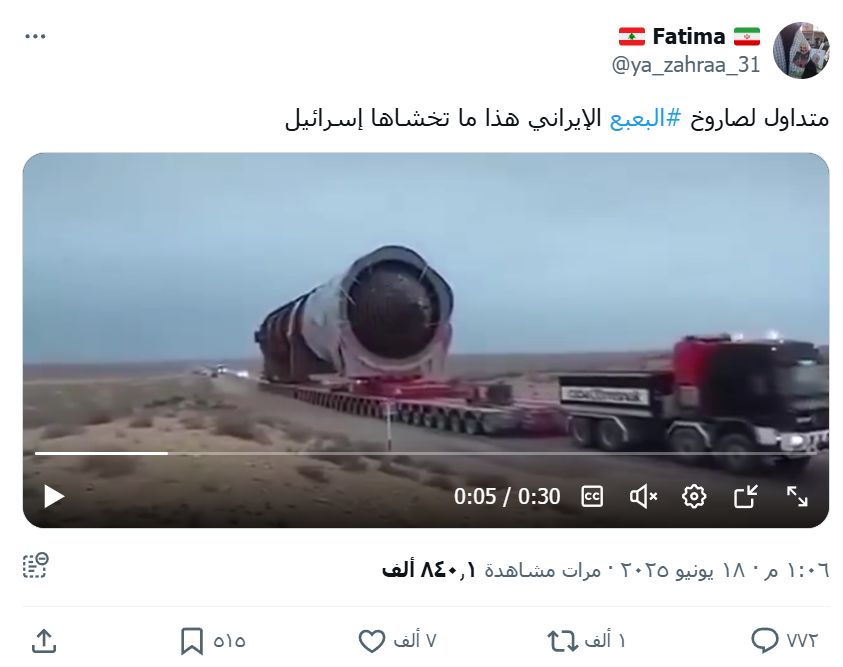
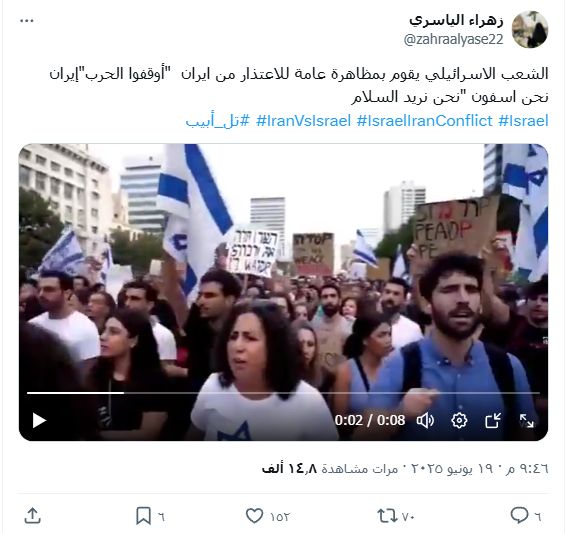
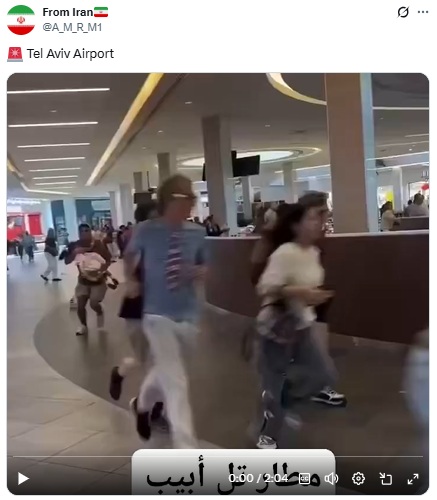
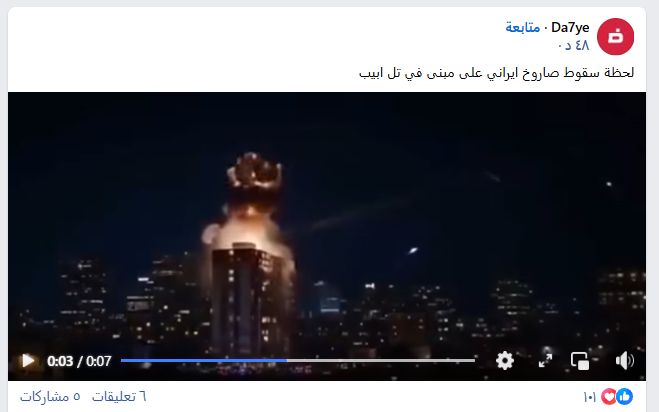
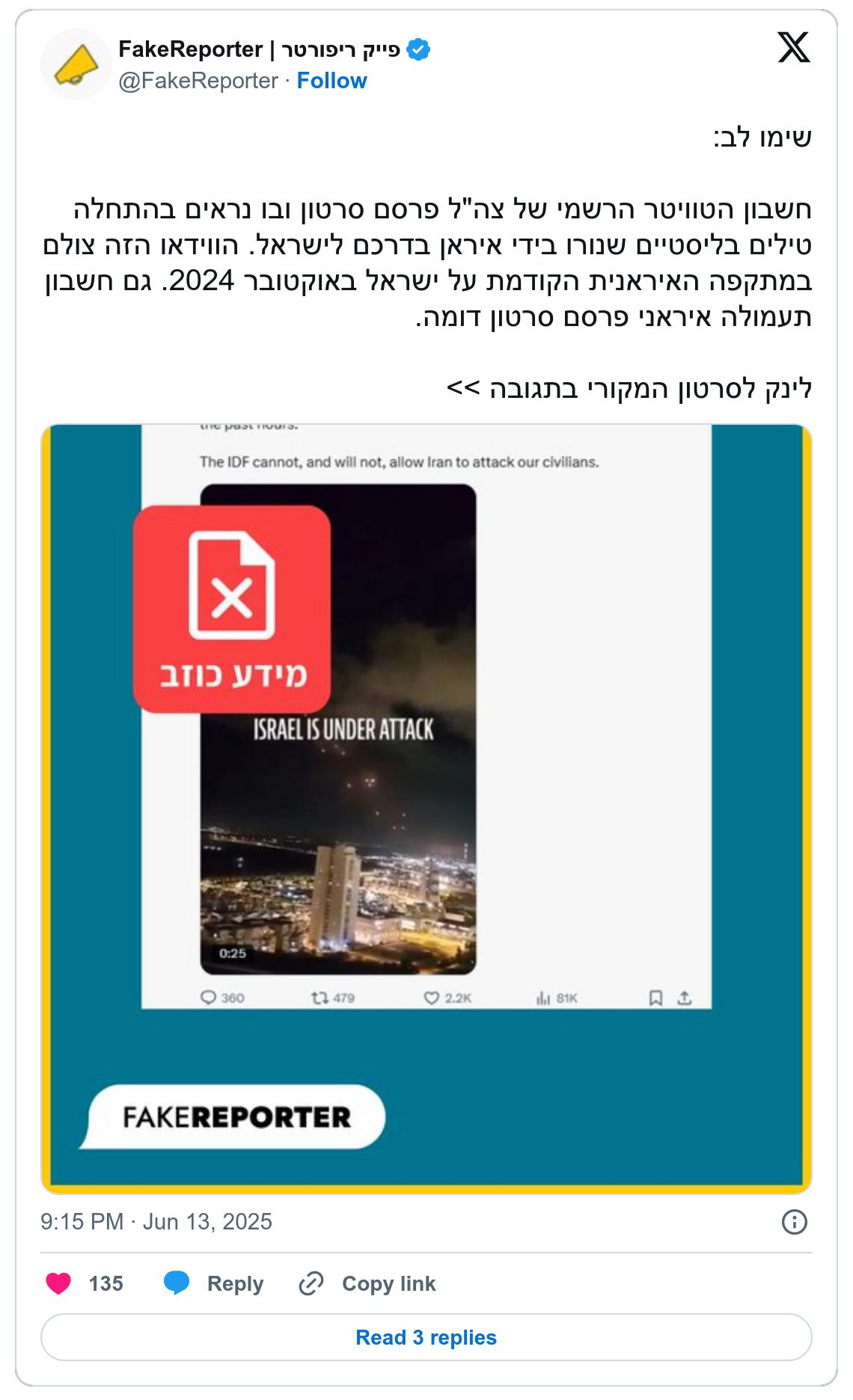
With respect to an examination of the methods in which content deceives or constitutes disinformation, many cases used authentic content and documentation of past events that were deceptively disseminated out of their original context, such as the use in this conflict of documentation of Iranian missile attacks against Israel in 2024. Of the fact-checks examined here, 88% (470) contained content that was decontextualized in at least one dimension — out of date (76%), out of place (63%), or false connection (71%). This is a much higher proportion than other types of deception and disinformation identified by the fact-checking organizations. In other words, the majority of disinformation content related to the war was based on genuine, authentic documentation and was not entirely fabricated. : They distorted genuine events by presenting them out of their original context. The checks of such deceptions were much more numerous than fact-checks of completely fabricated content, and the latter accounted for a relatively small proportion of the fact-checked performed by global organizations. One possible explanation for this finding speaks to the abilities and limitations of these fact-checking organizations: While technological tools such as reverse image searches make it easier to refute false information that is taken out of their place or out of date, refuting arguments and claims is much more complicated, as it requires other tools and in-depth research. It is also potentially complicated politically, as this type of fact-check addresses the content itself and not its features.
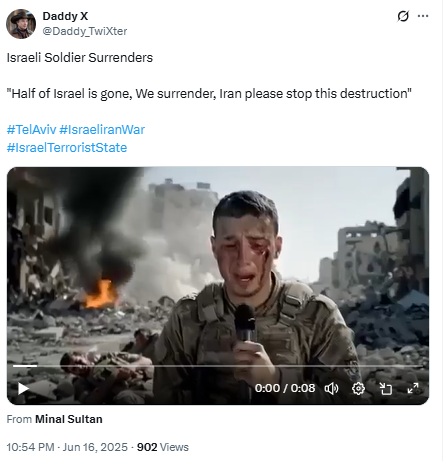
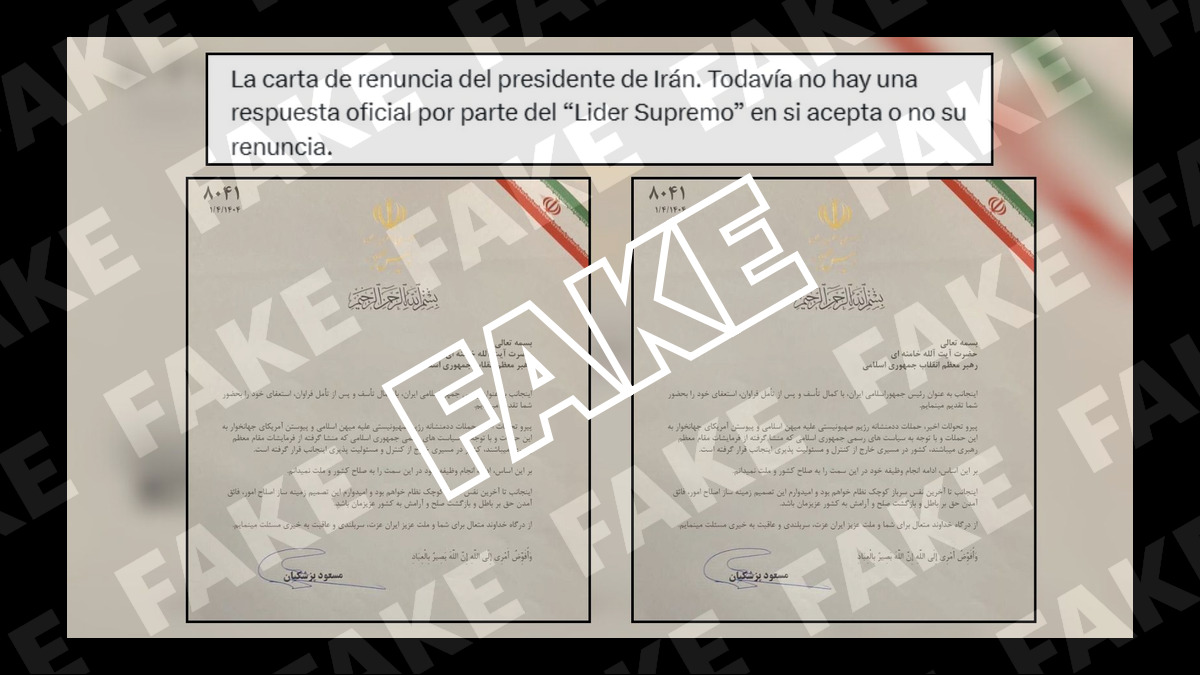
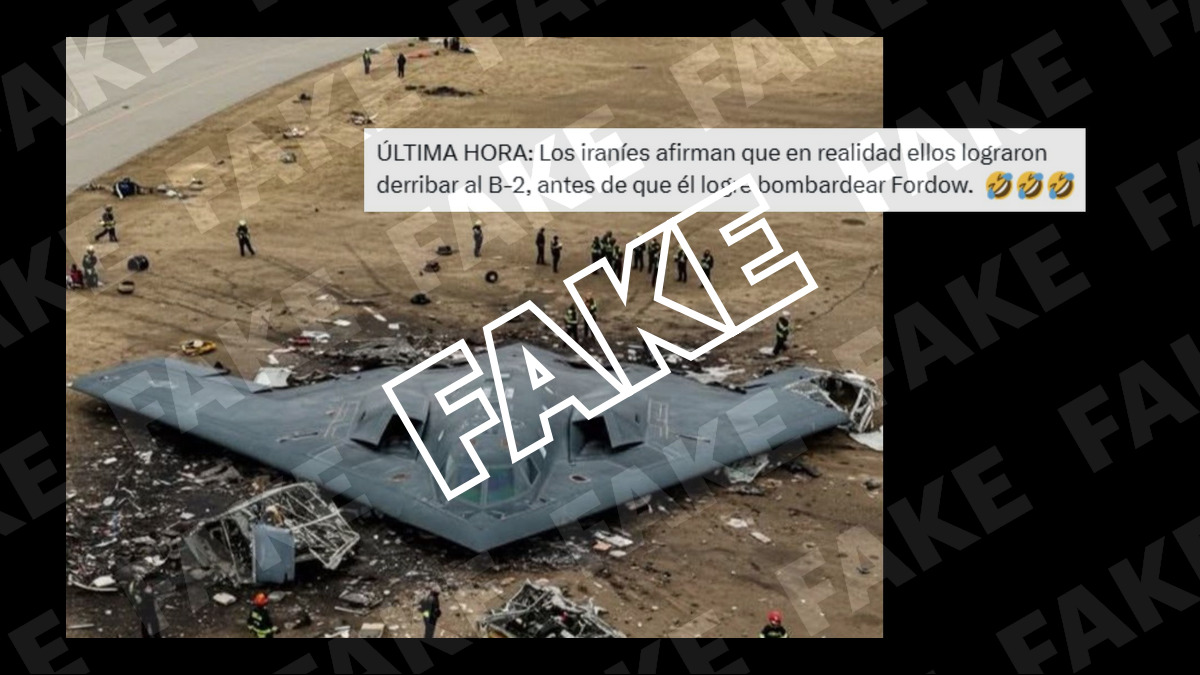
Another finding, both interesting and important, is that 20% of the fact-checks performed during the war addressed AI-generated disinformation. This is the second most prevalent type of disinformation that was checked, following decontextualization, and is much more prevalent than manipulated content or content altered using simpler and older tools. Only 5% of the checked disinformation whose content was manipulated through biased editing or other traditional non-AI tools. In other words, the use of AI tools to manipulate or create false visual content has become more prevalent than the use of older and simpler tools. This situation may be the result of the increasing improvements in and availability of AI tools, and this finding is consistent with other publications on the information environment during the Israel–Iran War that claimed that AI-based disinformation was widely used in this conflict.[2]
In any case, this is still a very small proportion of misinformation compared to disinformation based on decontextualization. These findings are consistent with previous studies that found that despite the media hype and public concern surrounding the use of AI tools to create false content in general, and specifically with respect to wars, elections, and crises — such as the use of AI to create deepfake content depicting politicians to influence public opinion — such uses have not become especially prevalent and the majority of false information remains grounded in genuine past events.[3] Despite the advances and availability of AI tools in recent years, the dissemination of recycled video clips and images of other events and sites is quicker and simpler than fabricating synthetic content, which still requires a degree of expertise and technical know-how. This finding should, however, be interpreted with caution because during the war, certain AI-generated materials, such as images of downed aircraft, became viral, and the high proportion of this type of disinformation in the fact-checked content may be the result of a decision by many global fact-checking organizations to address viral content. Moreover, it is also important to remember that it is methodologically easier to check and refute old or recycled content by identifying their past appearances than to refute edited or synthetic contents that may be of high technical quality, which undermines identification efforts. In other words, the large number of fact-checks of a specific type of disinformation content may reflect the dominance of this disinformation type in the disinformation field, but may also be related to fact-checkers’ preferences and access to tools.
Viral Explosions and Ballistic Fakes
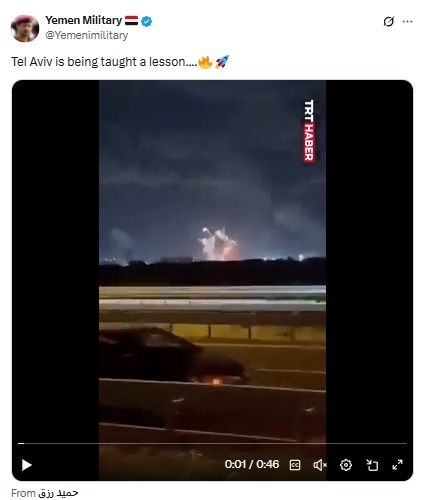
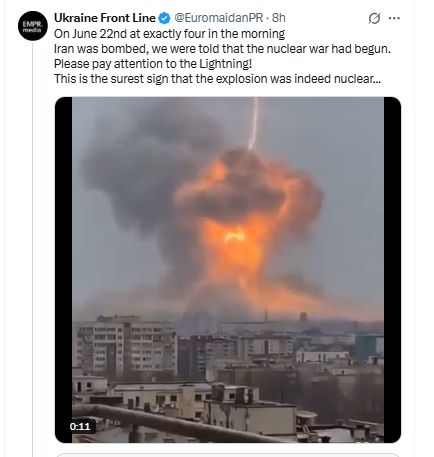
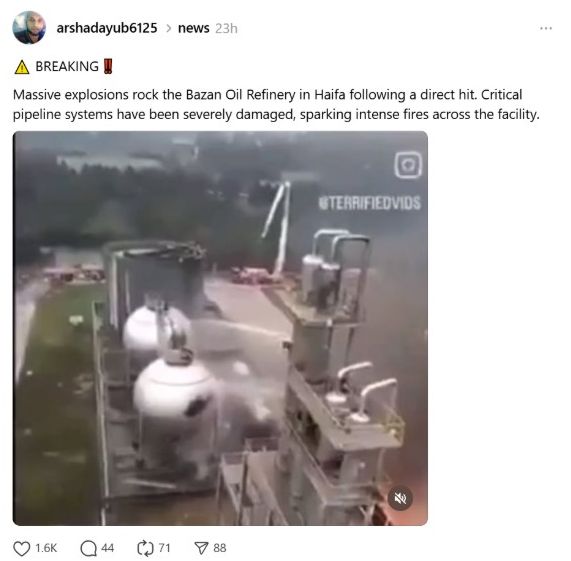
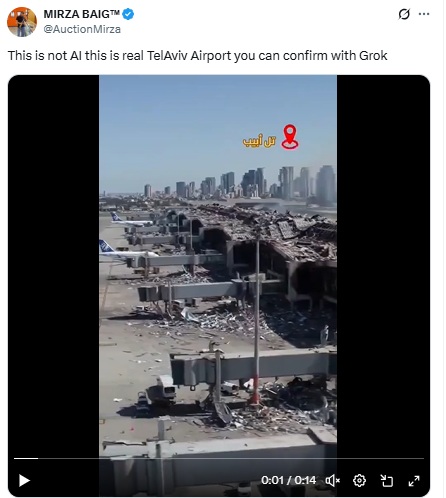
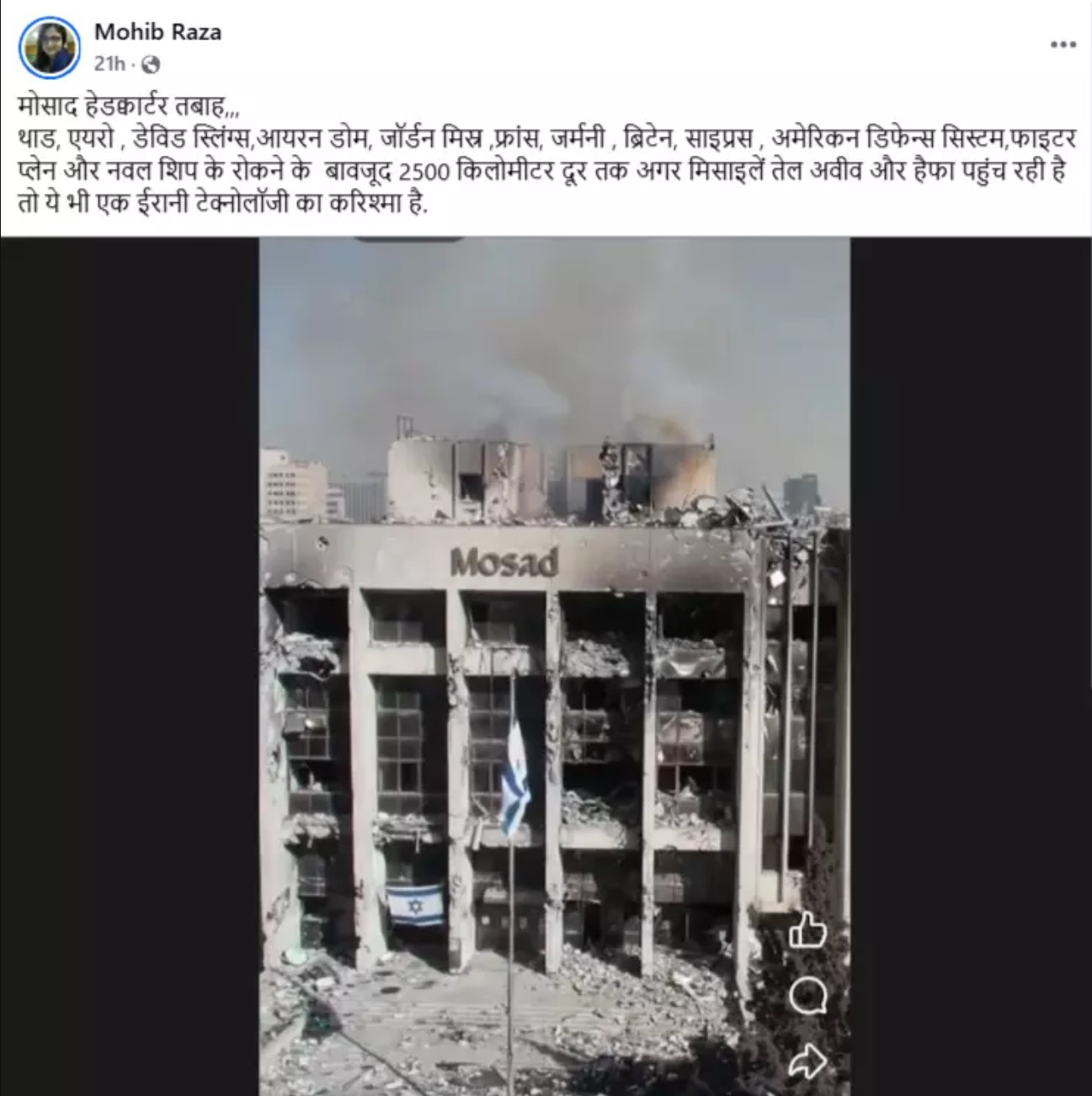
The features of the manipulated and false content disseminated and fact-checked during the war, which emerge from the current study, are consistent with the main themes identified in the data analysis, and attest to the uses made by the creators of such content to promote their interests. The current study found that the majority of the fact-checked content reflected efforts to enhance manifestations of military force and displays of power damaging the enemy, for example, by exaggerating or fabricating damage to physical infrastructure or displaying weapons and means of military force. The content rarely addressed diplomatic or political moves, alleged war crimes, or human tragedies and the personal toll of the war. This is in contrast to disinformation disseminated in other wars and conflicts, including the Israel-Hamas War, where each party sought to de-legitimize the enemy and condemn its immoral nature by emphasizing its responsibility for criminal actions and violations of human rights.[4] It also emerged that AI was used in this war to enhance or create fake images of the destruction of physical infrastructure and to fabricate crashes of aircraft and pilots. In contrast to other wars, such as the war in Gaza, most of the content generated by AI tools in this war did not include images of people or human situations that appeal to viewers’ emotions, but instead contained images of buildings, infrastructure, weapons, and explosions invoked to produce fear and anxiety.
Reinforcing this insight is the finding of out of place disinformation, where the original sites of these items were not necessarily located in the Middle East. The majority of images were captured in China, the US, and Russia, and these appeared much more frequently than images of events in Syria, Gaza, and Lebanon. This finding aligns with the type of awareness and consciousness that characterized the Israel–Iran War and with the nature of the information that was disseminated during the war, and offered a blurred and distant view from afar of the results of the conflict.
Consequently, in the Israel–Iran War, disinformation was widely used to inflate the extent of the damage inflicted on the enemy and to magnify the relative strength of one combatant, rather than to highlight illegal, illegitimate, or immoral acts committed by the enemy with the aim of mobilizing pressure by the international community. These uses of disinformation in the Israel–Iran War differ from the effective, emotional nature of disinformation in other contexts, and are instead designed to exploit and heighten the “fog of war” in order to directly pressure citizens and to create misrepresentations of damage that exceeds official media reports. We term this type of disinformation “ballistic disinformation” – visual content focused on inflating the destruction and damage inflicted on the enemy. This type of disinformation contrasts with disinformation based on victimization, for example, whose aim is to present one combatant as the weak victim in the conflict, emphasize the other party’s role as a cruel and vicious war criminal, and heighten international criticism and pressure.
In summary, the uncertainty, and the censorship and restrictions imposed on media organizations in wartime encourage the creation of disinformation related to war damage and strikes against the enemy, which exploits citizens’ lack of knowledge and media restrictions in order to fuel civi panic and fears and increase the psychological pressure on the enemy’s homeland, because it is difficult to refute claims disseminated in social media in the absence of publicly available information posted by official sources or reliable media organizations. The results of the thematic analysis suggest that although false narratives surrounding a war may appear in a wide range of types and scope, the underlying motives and uses of the various types of disinformation are designed to achieve similar focused results.
Strengths and Weaknesses of the Fact-Checking Field in Israel
The current study illustrates fact-checking organizations’ significance, contribution, and role as specialists that are knowledgeable and experienced in the local field, but also illustrates the absence of Israeli fact-checking organizations in the global fact-checking field. The difference between the motives underlying the content checked by Israeli organizations and those underlying most of the content checked in the global field proves that the Israeli fact-checking organizations are an important and critical actor in the Israeli information environment. Their gatekeeping function in Israel’s media and information environment is illustrated by the relatively high proportion of fact-checks of claims appearing in local media — 34% of all checks focused specifically on disinformation disseminated on social media, compared to only 2% of all the checks performed by the global organizations. Furthermore, in contrast to the global trend where political issues featured in only 9% of the checks, this theme featured in a considerable proportion (22%) of the checks performed in Israel, which suggests that Israeli fact-checking organizations focus on content that has a local impact or attracts local interest and on content that is relevant to domestic politics, politicians, and media.
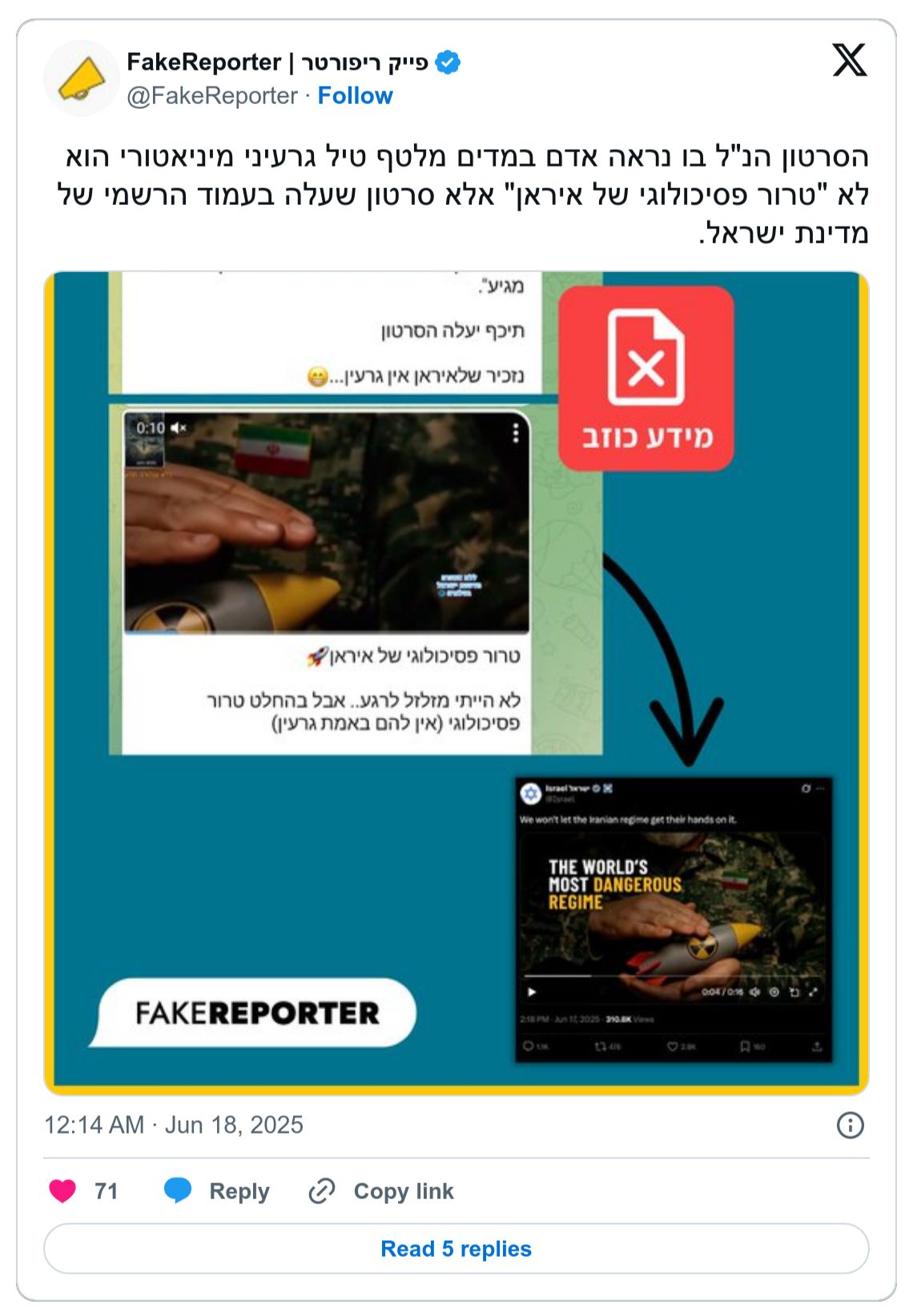
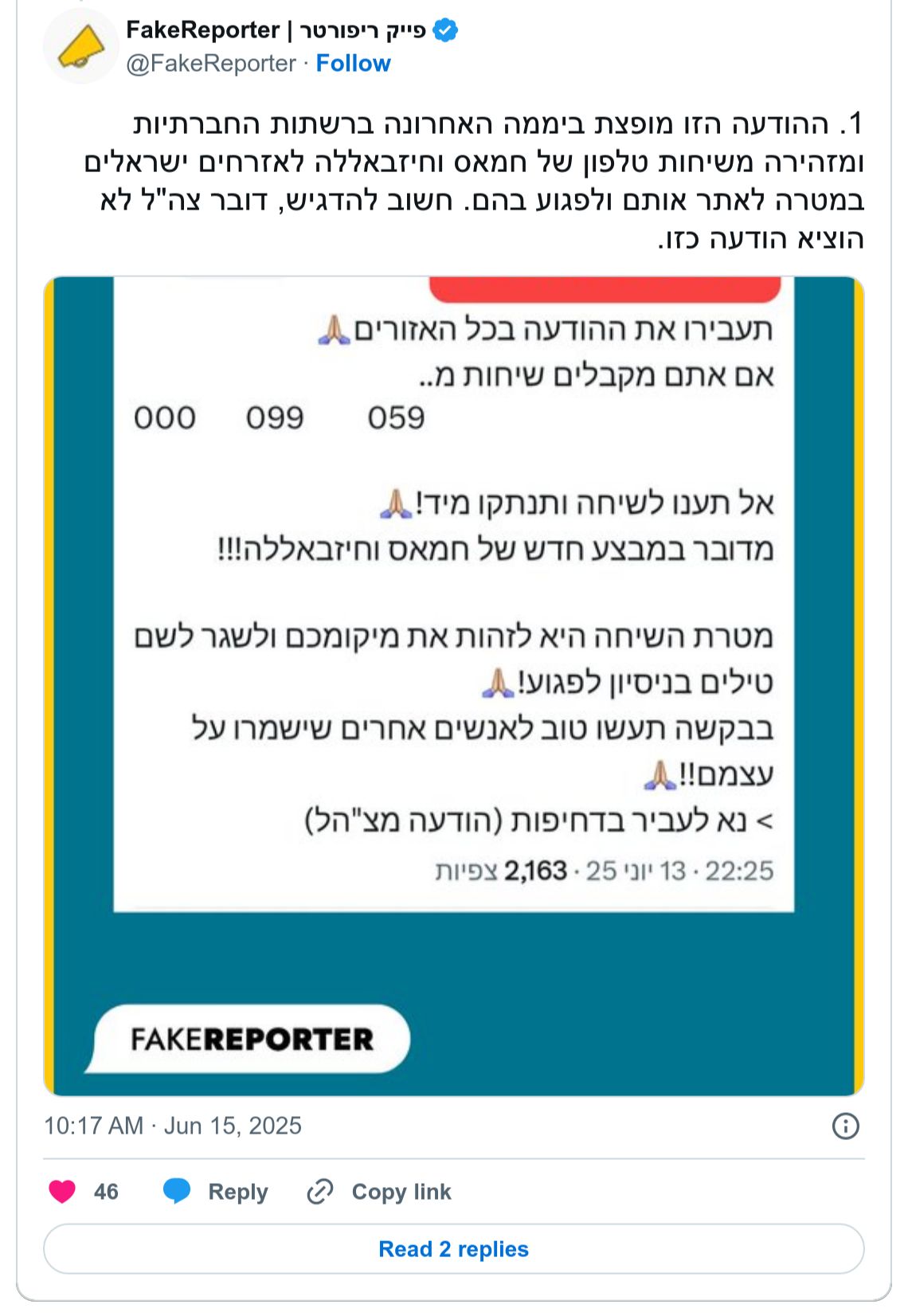
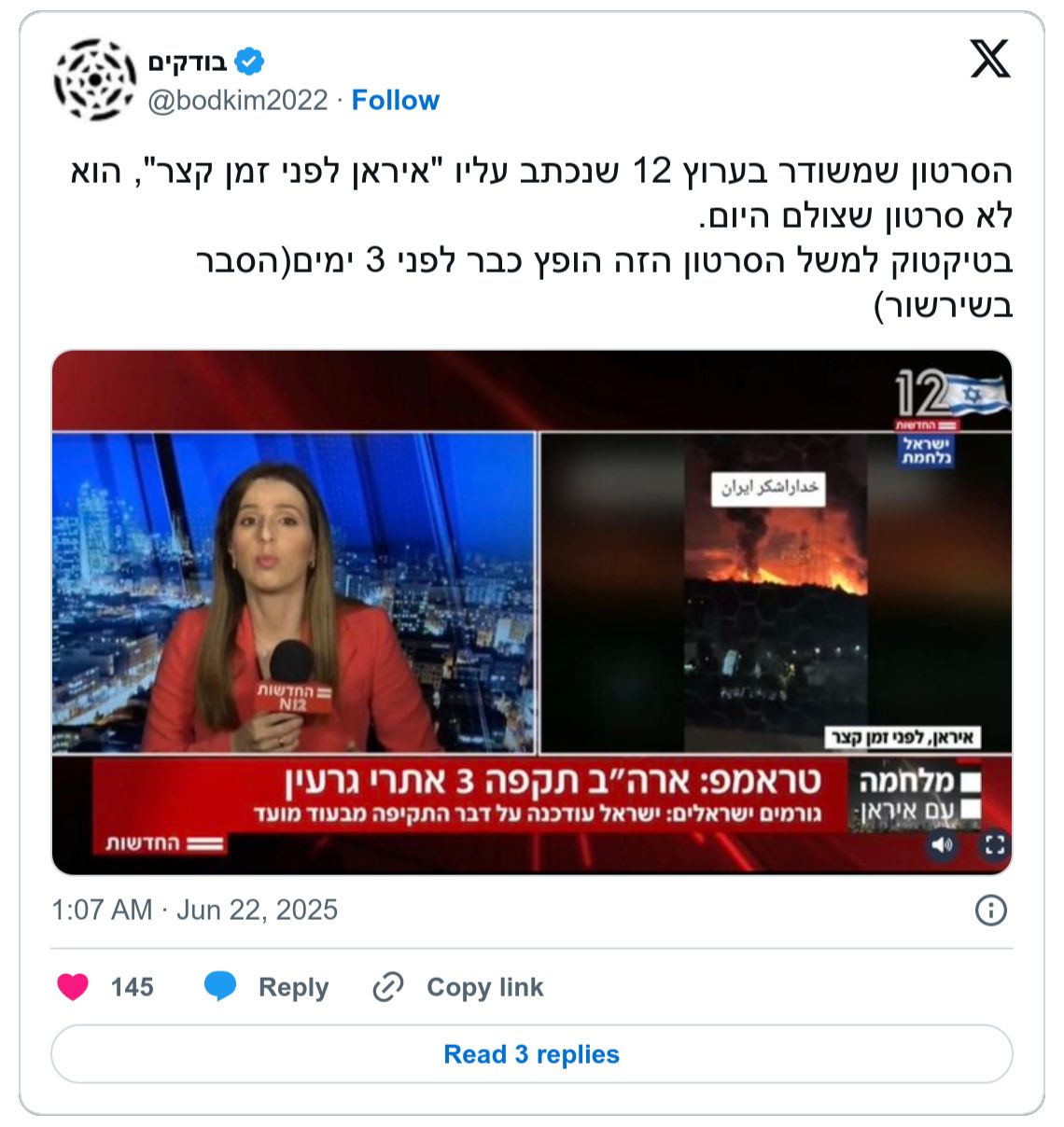
It is, however, important to note that the war-related fact-checks included in the Fact-Check Explorer database did not include fact-checks published in Hebrew or on behalf of Israeli fact-checking organizations. This is because the Israeli organizations do not use the tools or formats that international standards require when publishing fact-check results in the global arena. This situation reflects the weakness and under-development of the fact-checking field in Israel. The whistle (Hamashrokit), the single organization that used formats and tools that met the international standard in the past, published few items and fact-checks about and during the war. The two fact-checking organizations included in the current study — FakeReporter and Bodkim — post mainly on X and other social media, promoting items in diverse local media outlets, but do not maintain an archive or database of their fact-checks that is accessible or can be easily searched by the public, journalists, investigators, and other interested parties.
This lack is especially striking with respect to Arabic materials. Although approximately one quarter of the global fact-checks in the current study were published in Arabic, none of these were performed by Israeli fact-checking organizations that might have contributed a local perspective and applied local knowledge in the fact-checking process. Although Arabs account for approximately 21% of Israel’s population, Israeli fact-checking organizations do not make content in Arabic accessible and do not take into account the unique needs of this group. This finding highlights that local fact-checking organizations fail to address the needs of Arab society, and raises questions about the verified information sources available to this group. The inadequacy of the response to this need is further undermined by the already limited abilities of these organizations, their small number, and the increasing financial and political pressure they face.
Gallery




References
[1] Yang, Y., Davis, T., & Hindman, M.D. (2023). Visual misinformation on Facebook. Journal of Communication, 73(4), 316-318. https://www.cmu.edu/ideas-social-cybersecurity/events/conference-archive/archive-conference-2021/conference-papers-2021/conference-2021-paper-8-visualmisinformation.pdf
[2] EDMO, 2025; Murphy et al., 2025; Gault, M., & Maiberg, E. (2025, June 18). The AI slop fight between Iran and Israel. 404 Media. https://www.404media.co/the-ai-slop-fight-between-iran-and-israel/
[3] Brennen, J. S., Simon, F. M., & Nielsen, R. K. (2020). Beyond (mis)representation: Visuals in COVID-19 misinformation. The International Journal of Press/Politics, 26(1), 277-299. https://doi.org/10.1177/1940161220964780; Hameleers, 2025
[4] Hameleers, 2025.