Dataset and Data Collection
To examine how the local and global fact-checking environment addressed the flood of misinformation on the Israel–Iran War, we collected and analyzed several hundred fact-checks performed by several dozen organizations between June 13 and June 24, 2025 — from the beginning of the war to the ceasefire.
An analysis of the fact-checking work in and outside Israel was based on two primary sources. The first is Google’s Fact Check Explorer database, which contains fact-checks on behalf of organizations worldwide, including independent fact-checking organizations and news organizations, many of which are members of the International Fact-Checking Network (IFCN) and consequently meet professional standards.[1] We searched this database using the search words “Israel” and “Iran” in 17 languages, including English, Hebrew, Arabic, Farsi, Hindi, Russian, and Chinese. The search generated 537 results. Notably, the database contains only those organizations that integrated ClaimReview markup, a data structure that allows Google tools to retrieve data from them and present it in Google’s database, which allows the data to be searched and the results to be sorted. In Israel, only one fact-checking organization uses (or at least used in the past) this Google tool — Globe’s Hamashrokit [the Whistle] — but the current study did not find any fact-checks performed on behalf of this organization.[2]
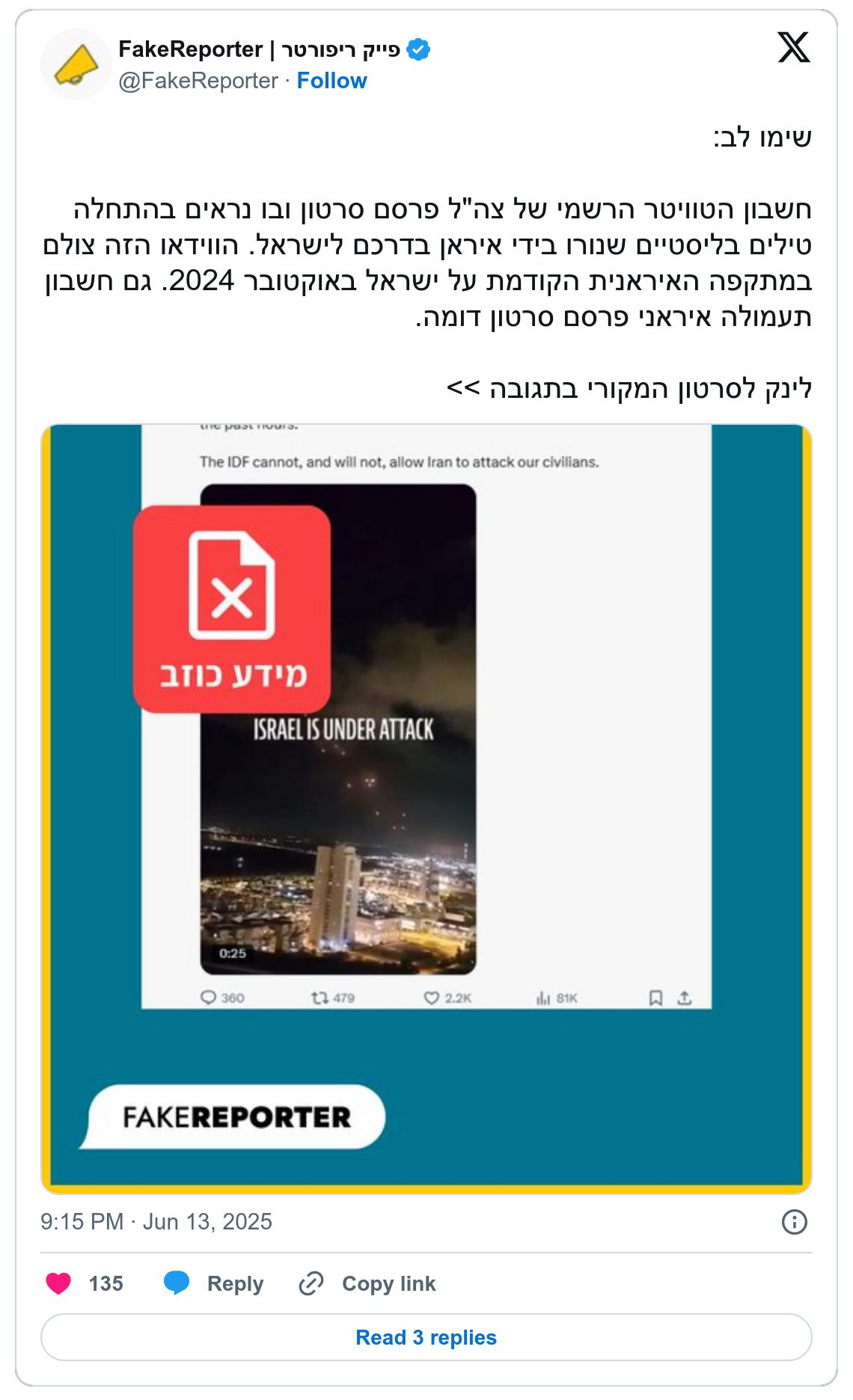
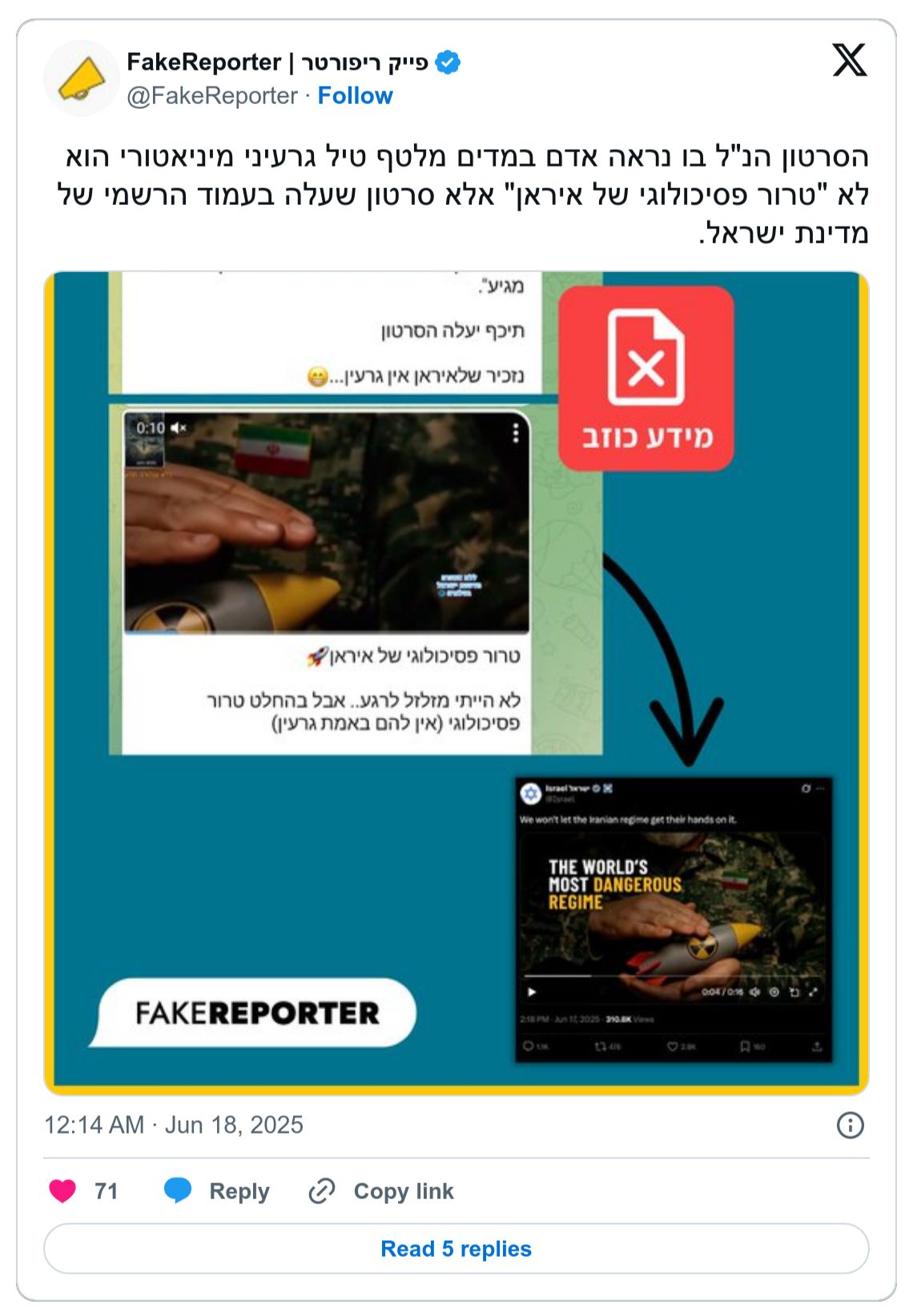
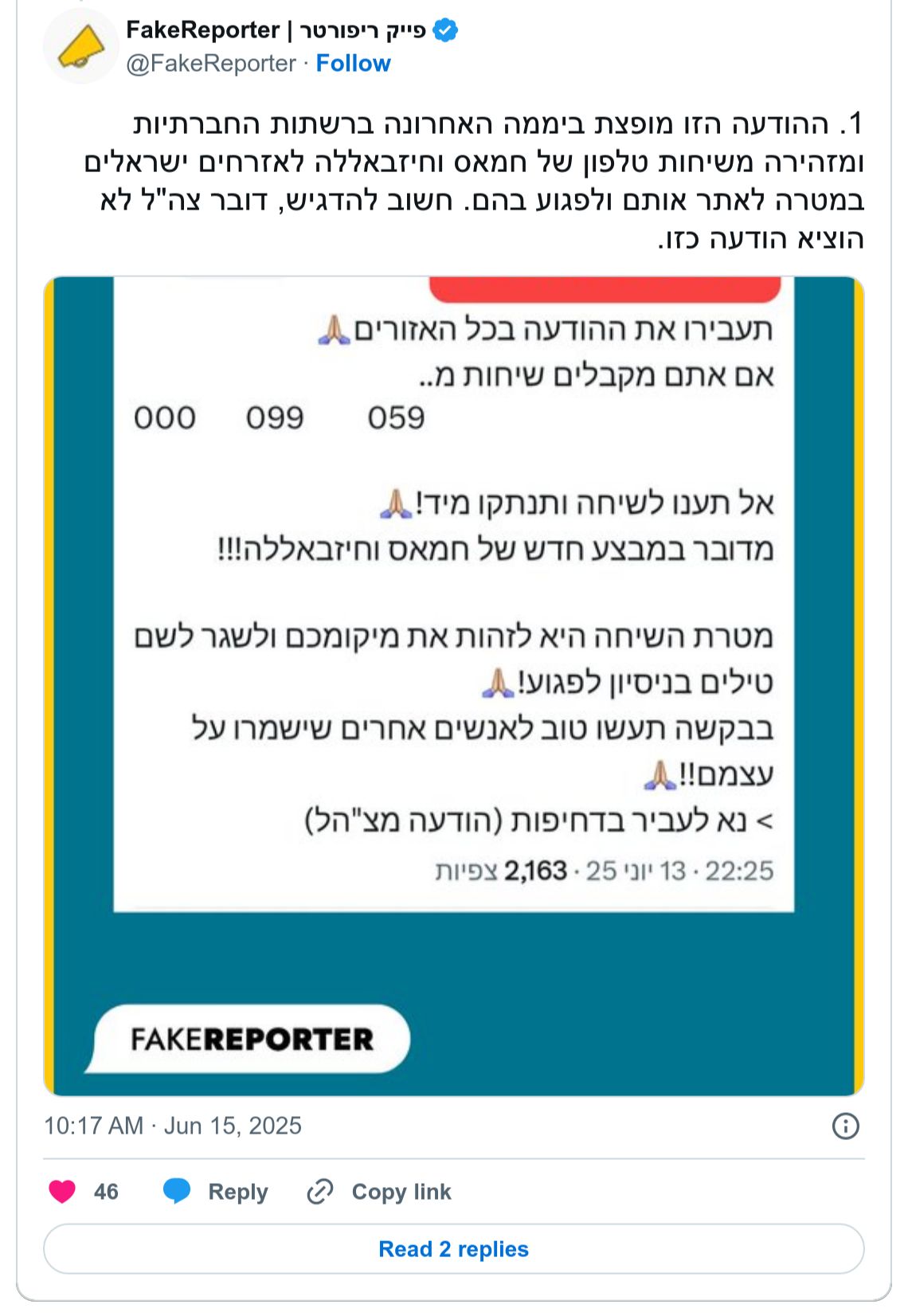
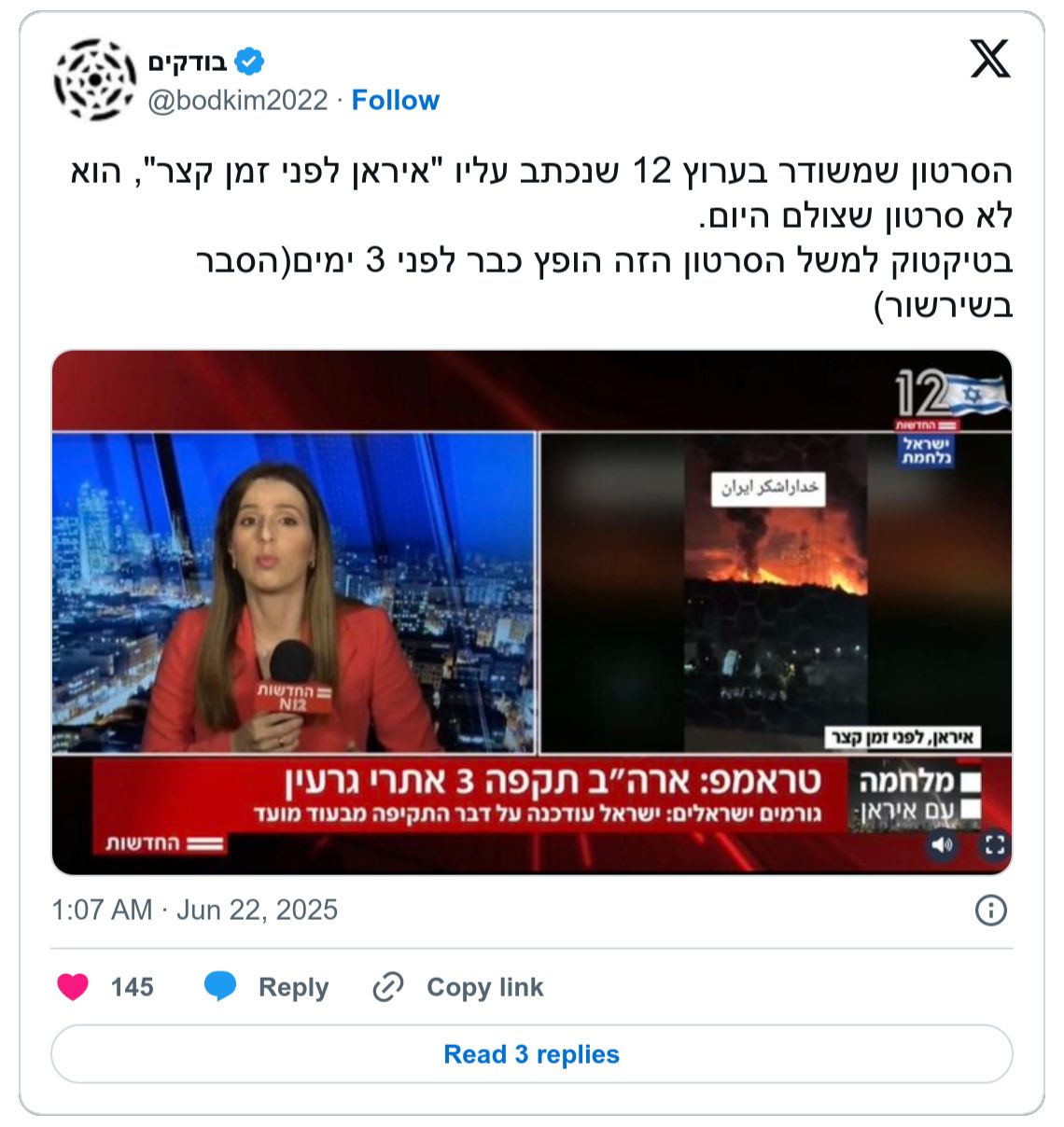
As Google’s database does not include Israeli fact-checks, and in view of our desire to examine the local fact-checking environment during the war, we also extracted relevant content from two leading fact-checking organizations in Israel: FakeReporter and the Bodkim Project. As these organizations are mainly active on X, we used the assistance of Scooper (an Israeli company that provides social media monitoring services) to extract all the tweets from these organizations’ X accounts in the relevant period. A total of 192 posts were found. Since the data posted by Israeli fact-checking organizations was extracted in a planned and focused manner, throughout our study, we distinguished between the analysis of global fact-checking (collected through Google tools) and the fact-checking data at the local level, based on an analysis of the posts of the two aforementioned Israeli organizations.
After data extraction was completed, we eliminated fact-checks that did not concern the current Israel–Iran War, such as fact-checks related to other conflicts involving Israel or local political issues that were not directly related to the war. Retweets and retweet chains were also eliminated. Furthermore, fact-checks that addressed multiple content items or cases were split and each was counted separately. The final database comprised 592 fact-checks (534 global fact-checks and 58 Israeli fact-checks) that were analyzed and coded.
Coding
After completing the data collection, all the fact-checks were coded (see Appendix A for coding definitions and instructions). An independent outside coder who was not a member of the research team coded the data according to instructions and definitions that were determined in advance, independently of the fact-checking results. The research team performed a sample review of the coding to ensure consistency.
Coding included meta-data such as the date, language, name, and country of origin of the fact-checking organization, and data and categories related to the contents of the check.
First, the type of deception/disinformation was coded,[3] in line with leading research in the field and generally accepted definitions of false information:[4]
- The fact-check determined that the content was generated using AI;
- The fact-check determined that the content was manipulated without the use of AI, e.g., biased editing (Manipulated);
- The fact-check determined that the content includes someone posing as another individual or organization (Imposter);
- The fact-check determined that the presented argument was completely false (Fabricated);
- The fact-check determined that at least one of the following aspects of the content was decontextualized (Out of Context):
- Out of Date – The event occurred at a different time than alleged;
- Out of Place – The event occurred at a different place than alleged. Both the original location and the alleged location of the event were coded if the check included this information;
- False Connection – The content includes correct facts that were presented in a false context. The check found that the content is true but was presented in a context that creates a meaning that is different from or opposite to the original meaning, even if the noted place and time are accurate.
Furthermore, the format of the checked content was coded (text, image, video) and whether the fact-check addressed content that was originally published in an official media channel or on social media. In addition, an effort was made to assess the underlying motivation for creating and distributing the misinformation. To this end, we coded the party that potentially gains from the publication of the false content (Iran, Israel, neither, or difficult to determine). Although this coding stage involves some degree of interpretation and does not stem from the fact-checks themselves, we believe that information about the motives and aims of parties that created and distributed the war-related disinformation is important and interesting. This information may also offer an overview of the proportion of content found to be false with respect to each of the parties to the conflict. Finally, we also marked the main themes identified in each fact-check — the main topics that emerged and recurred in the disinformation disseminated surrounding the war.
Gallery
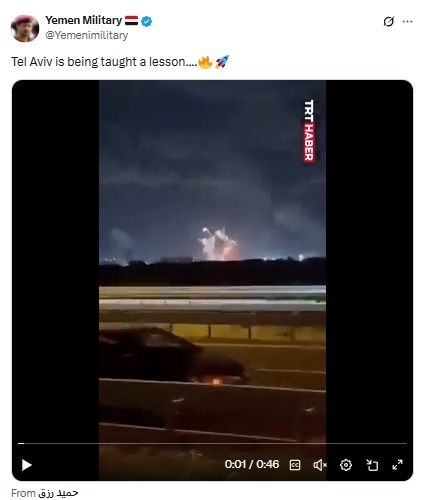


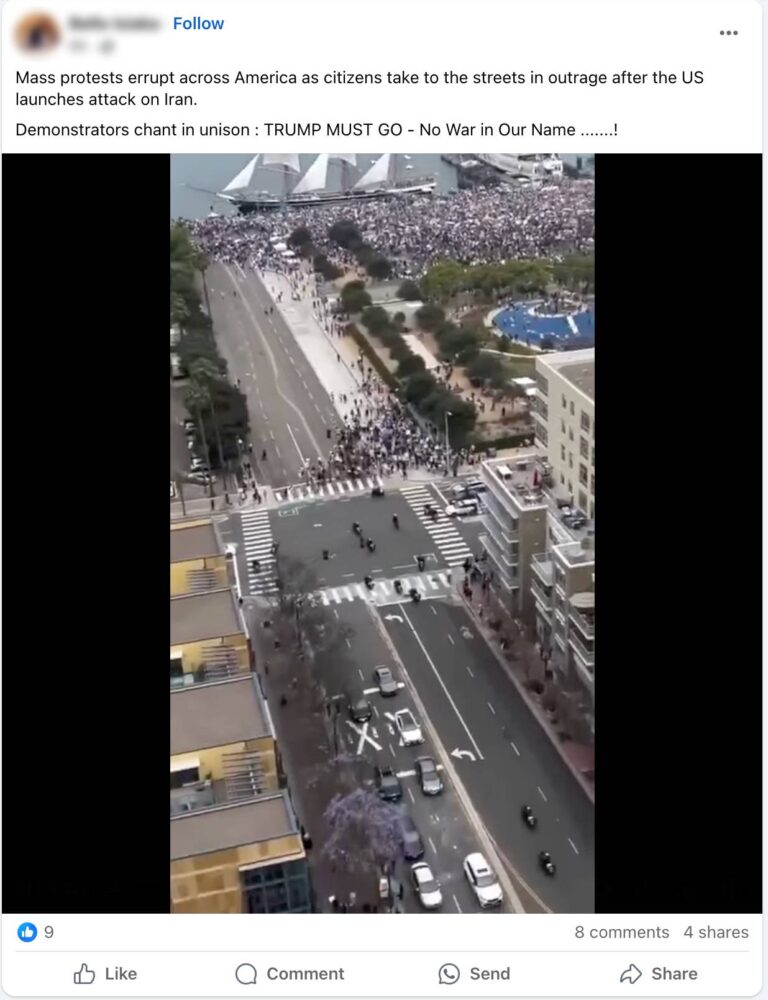
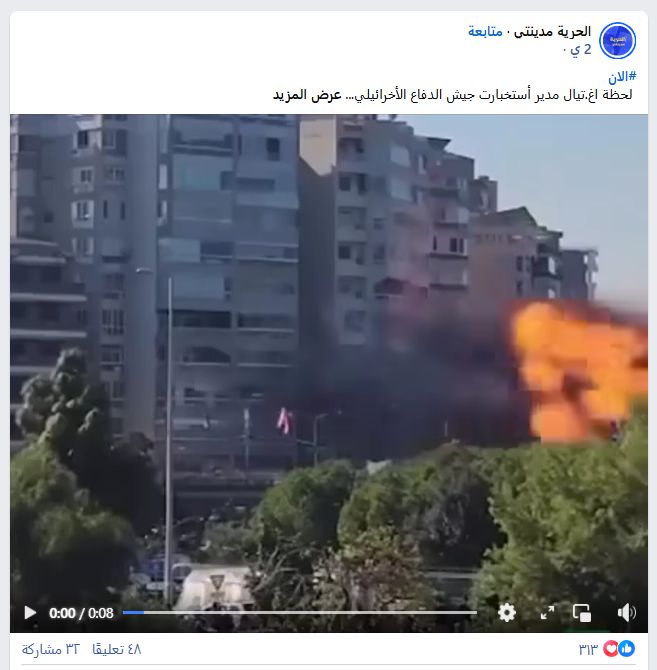
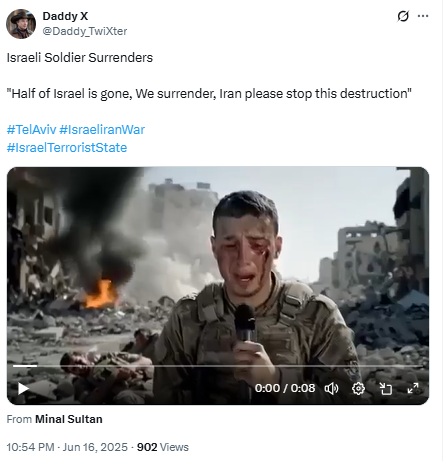
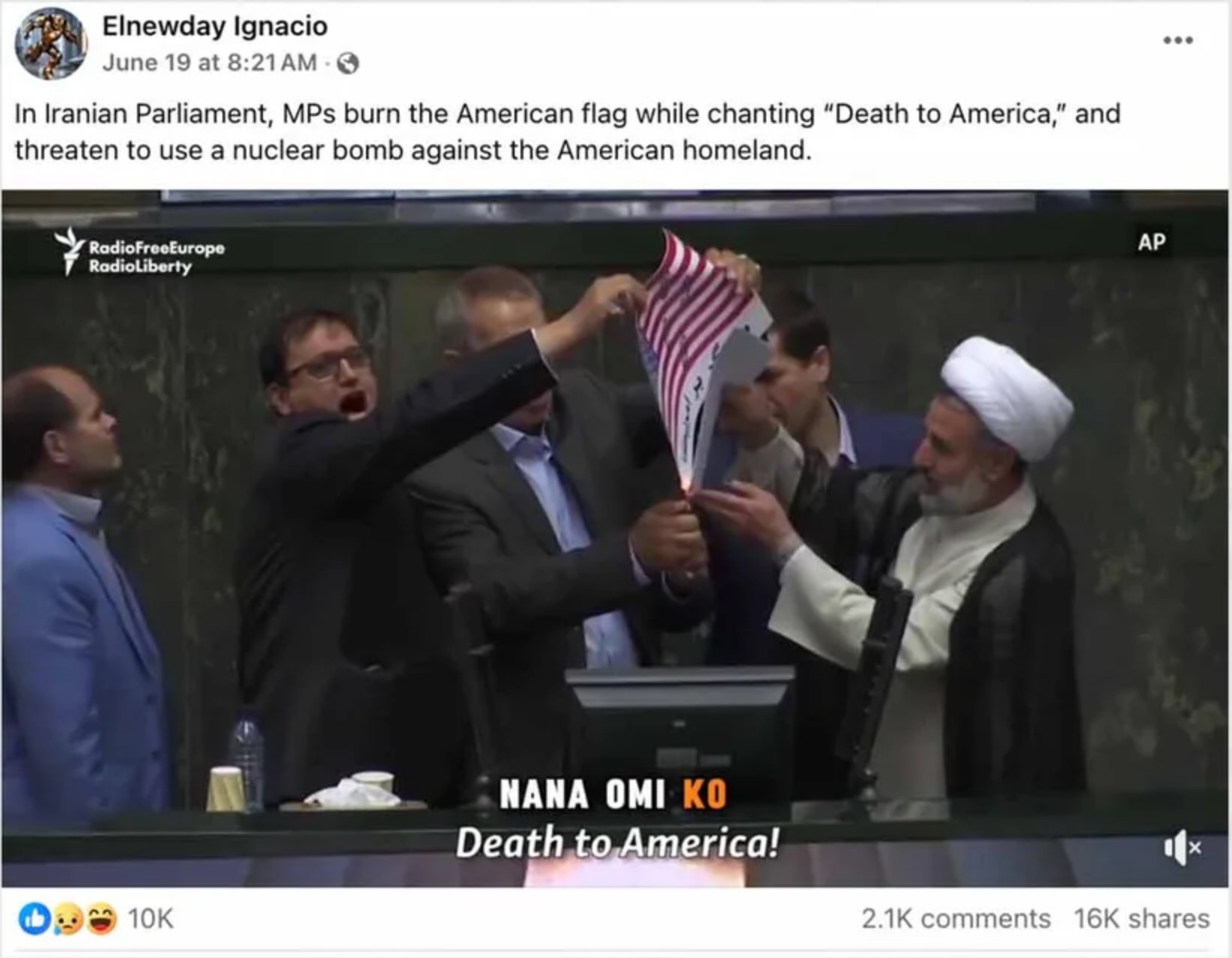
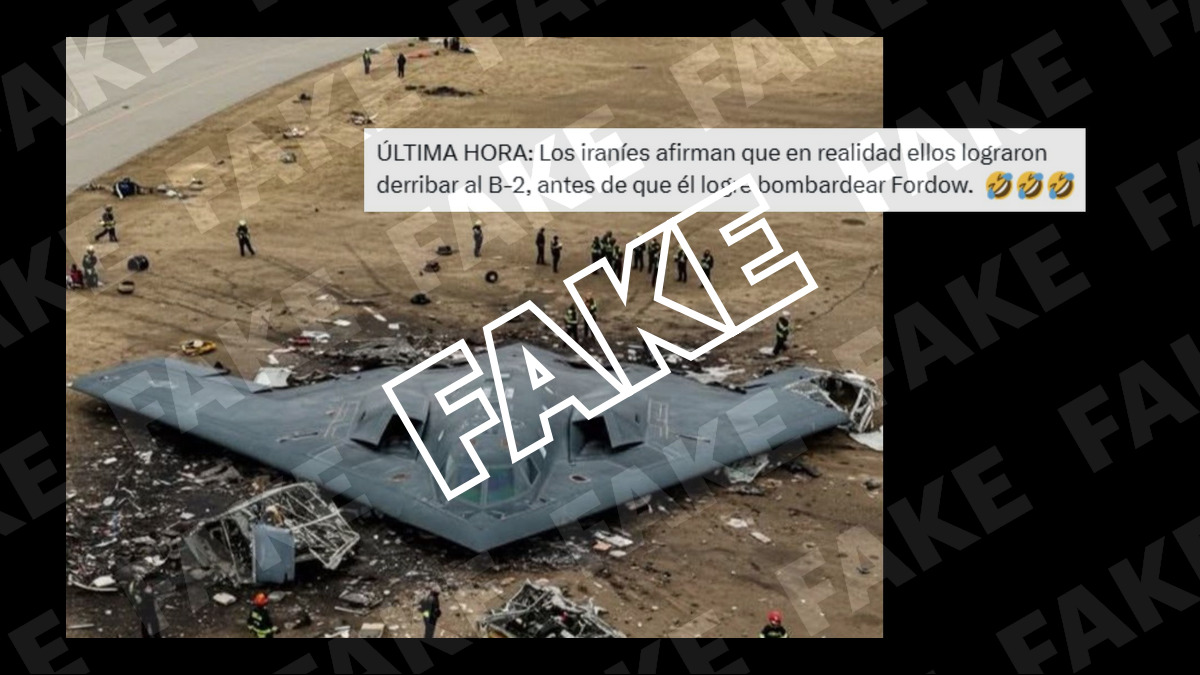
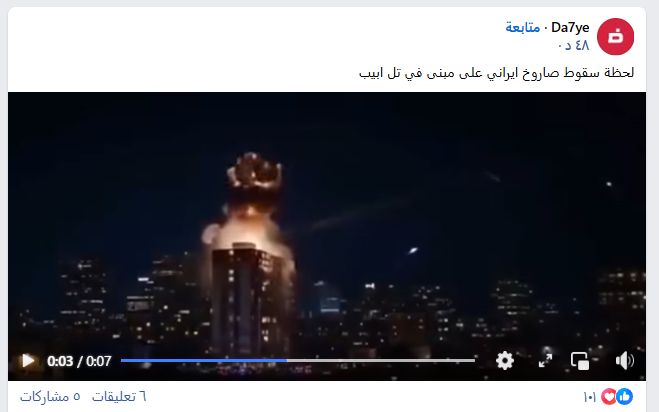
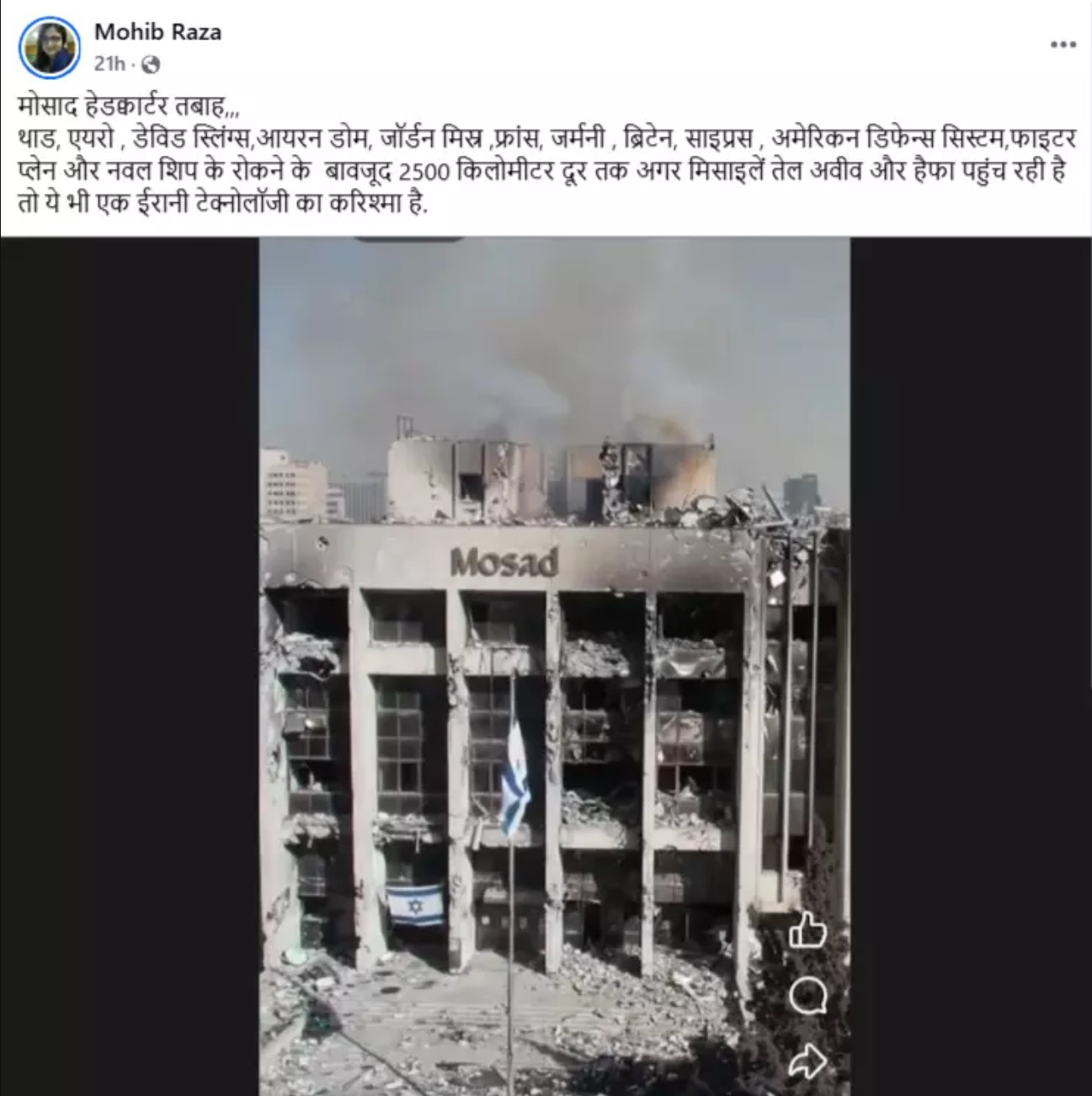


References
[1] See Appendix B for a list of fact-checking organizations included in the current study and their membership status in IFCN. The appendix and supplementary materials are available at: https://www.isoc.org.il/files/docs/Appendix-Disinformation-en.xlsx
[2] A manual review of Hamashrokit’s activities found that this organization posted seven items in the relevant period, of which only two addressed disinformation related to the war. However, these two posts did not strictly constitute fact-checking work and rather appeared in news items, and were also based on other fact-checking organizations. Therefore, these data were not included in the current study.
[3] A single fact-check may refer to several types of disinformation or deception.
[4] Hameleers (2025). The visual nature of information warfare: The construction of partisan claims on truth and evidence in the context of wars in Ukraine and Israel/Palestine. Journal of Communication, 75(2), 90–100. https://doi.org/10.1093/joc/jqae045; EU DisinfoLab Research Team. (2022, July 22). EU DisinfoLab’s methodology to classify fact-checked disinformation: A codebook. EU DisinfoLab. https://www.disinfo.eu/wp-content/uploads/2022/07/20220720_Methodology_FINAL-1.pdf; Wardle, C., & Derakhshan, H. (2017, September). Information disorder: Toward an interdisciplinary framework for research and policy making. Council of Europe. https://edoc.coe.int/en/media/7495-information-disorder-toward-an-interdisciplinary-framework-for-research-and-policy-making.html