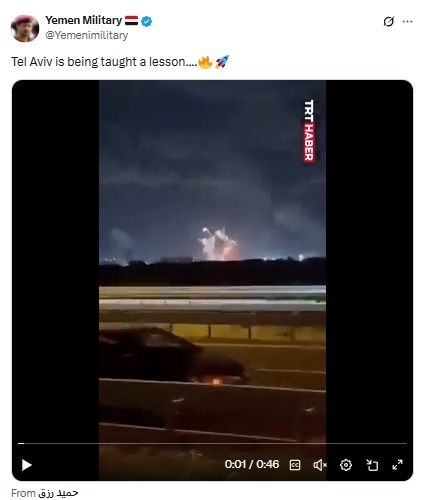
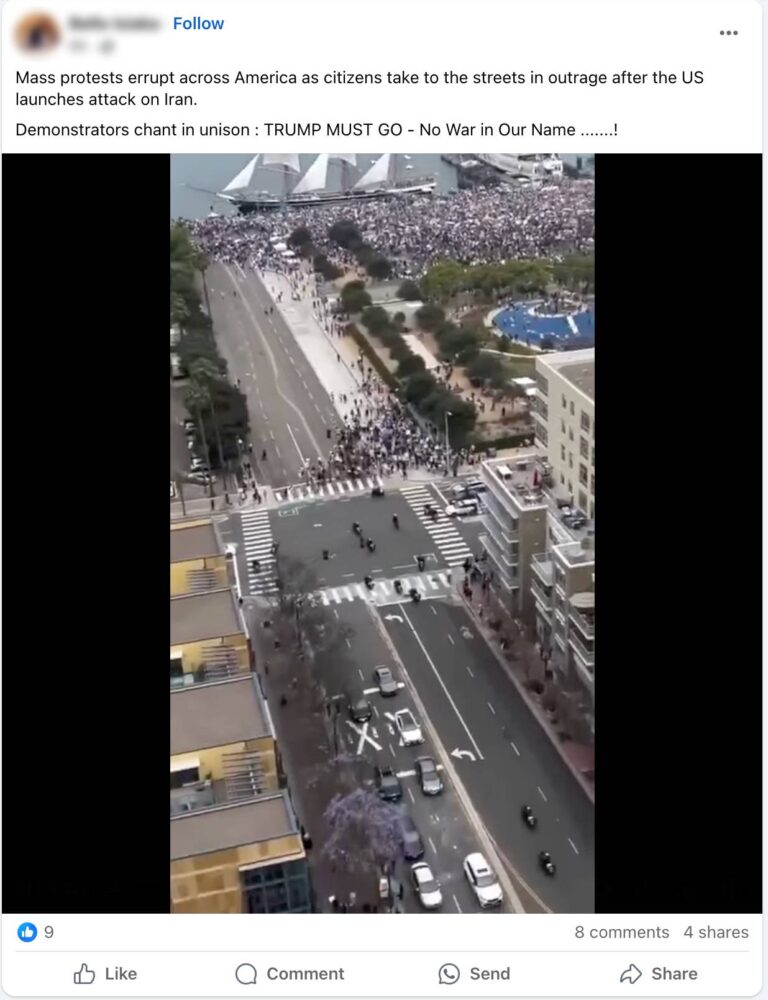
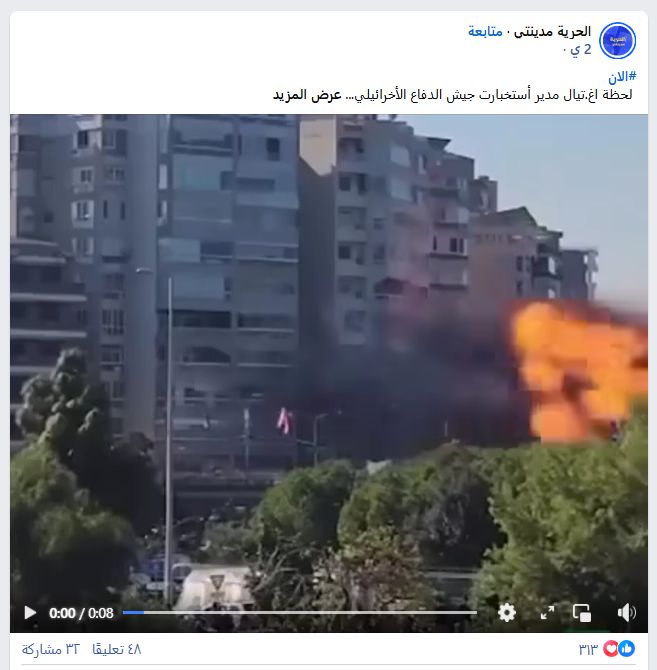
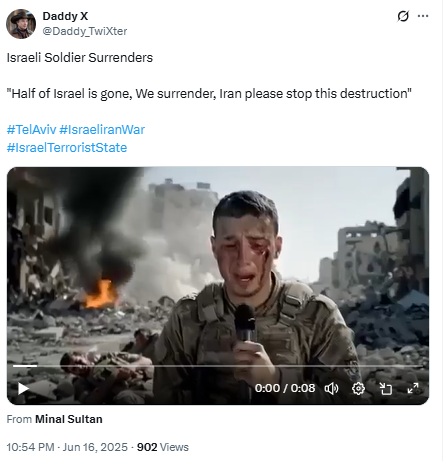
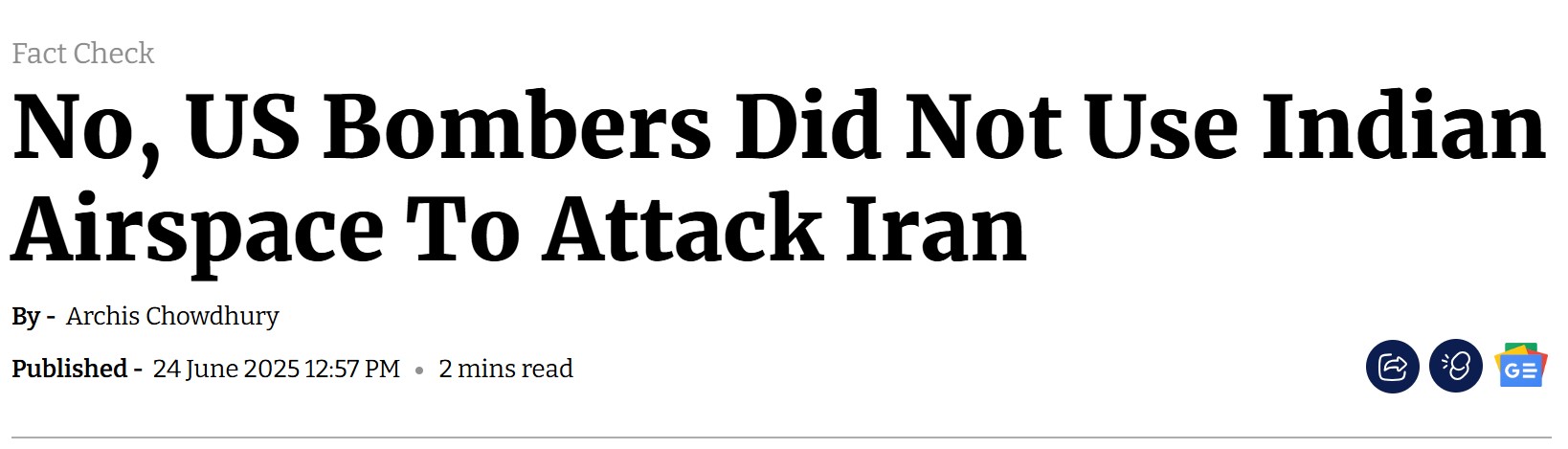
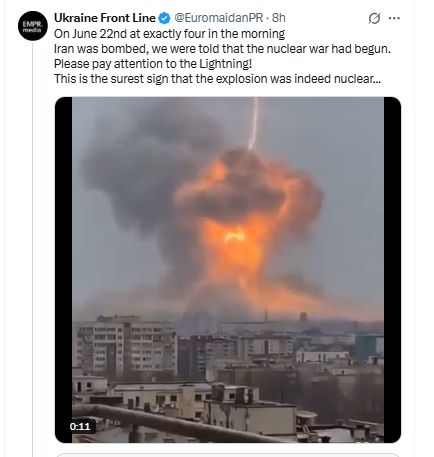
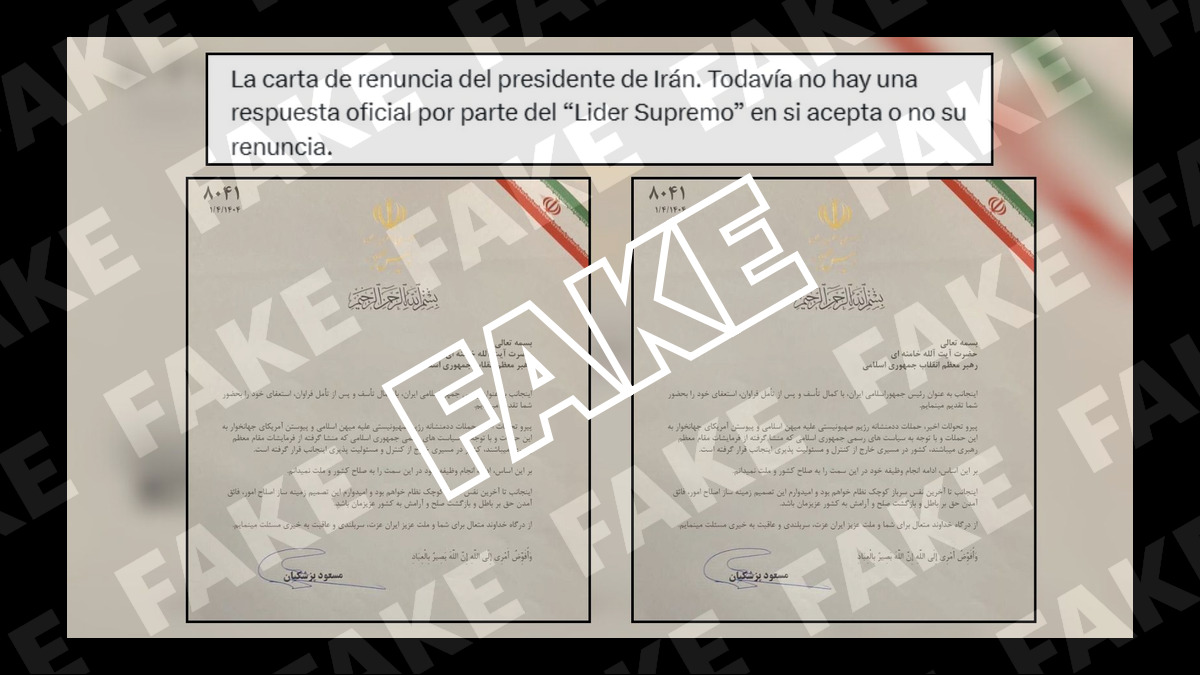
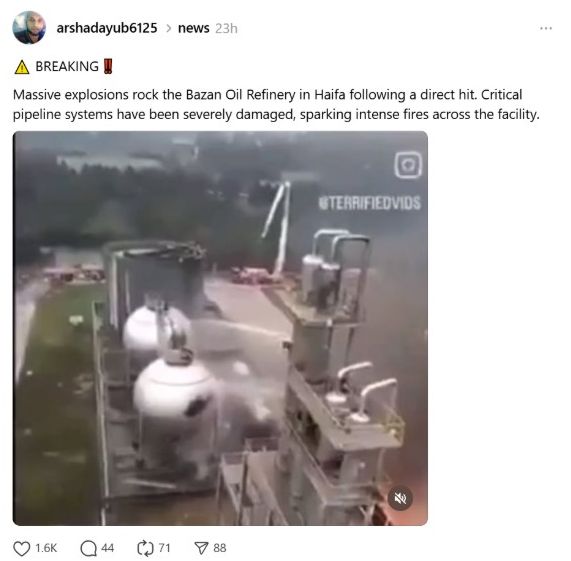
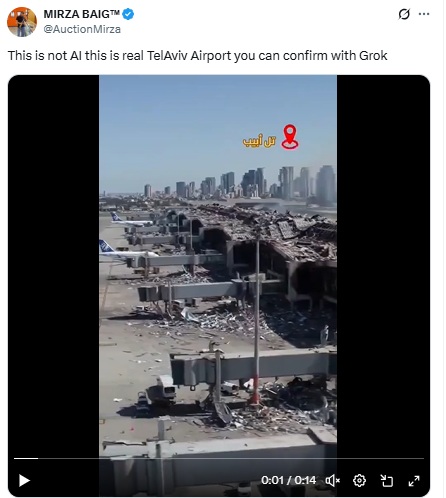
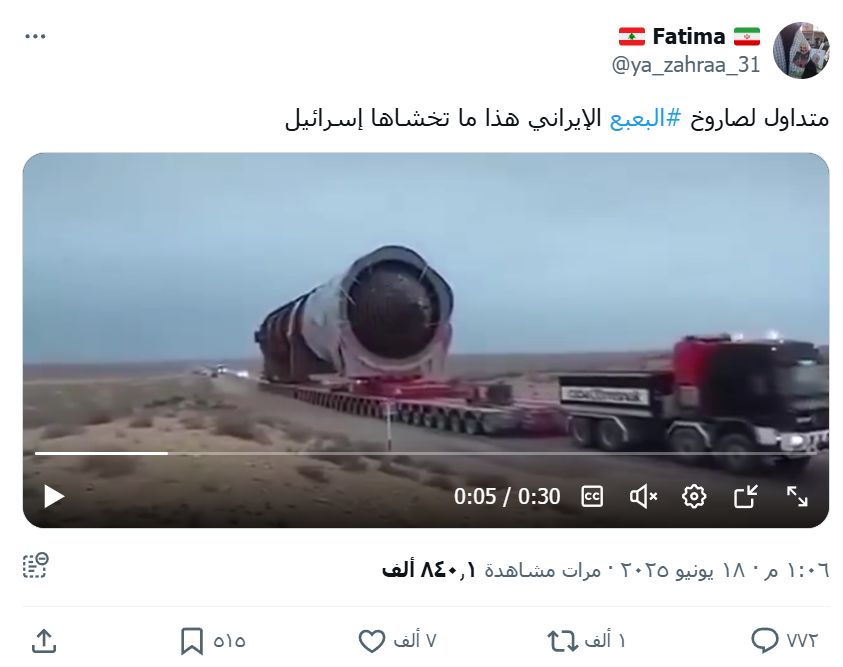
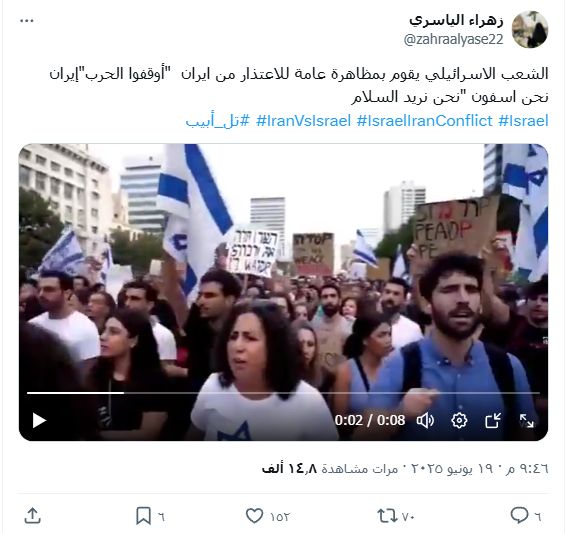
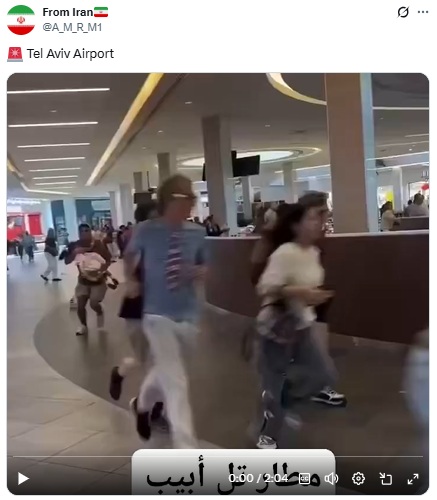
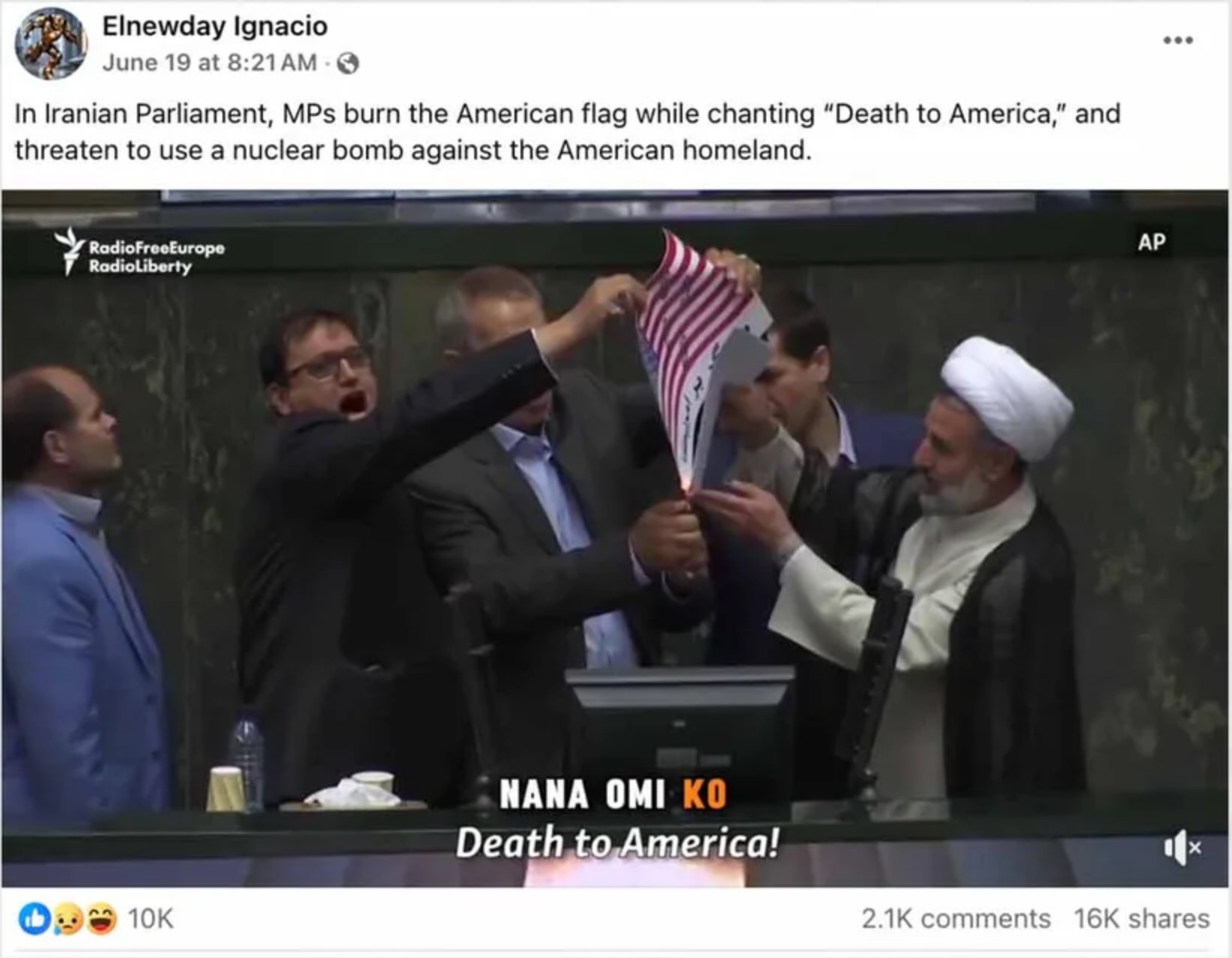
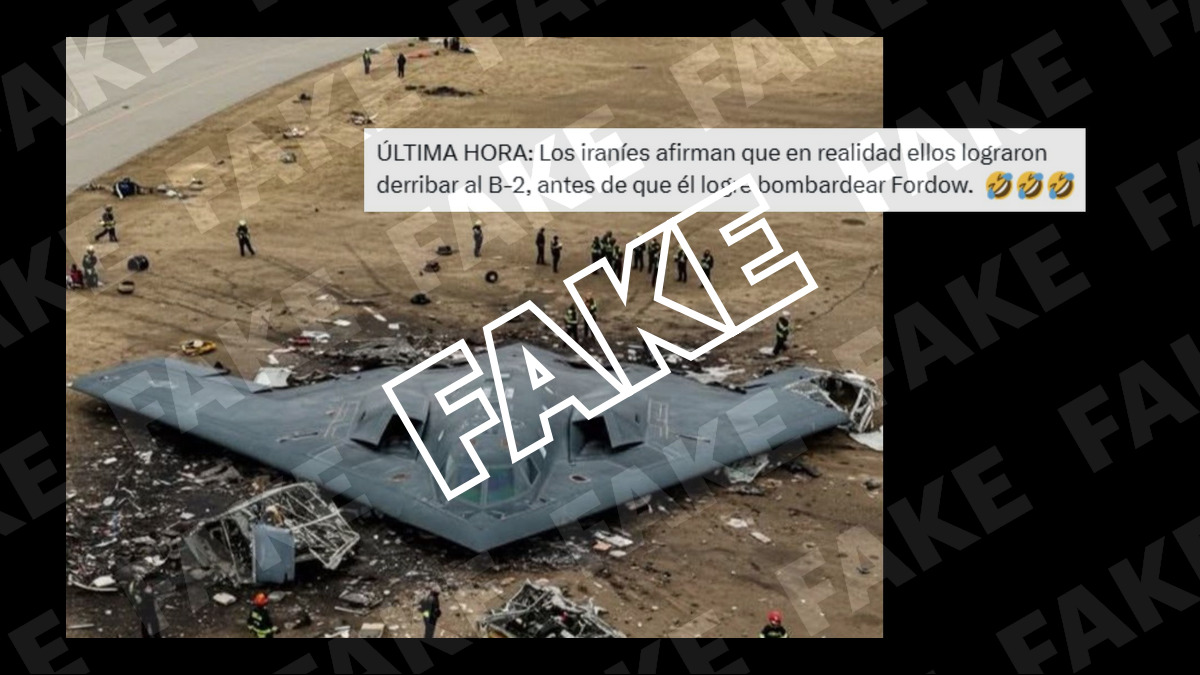
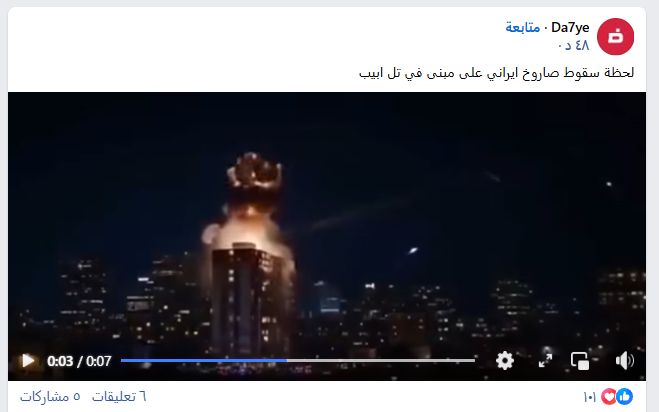
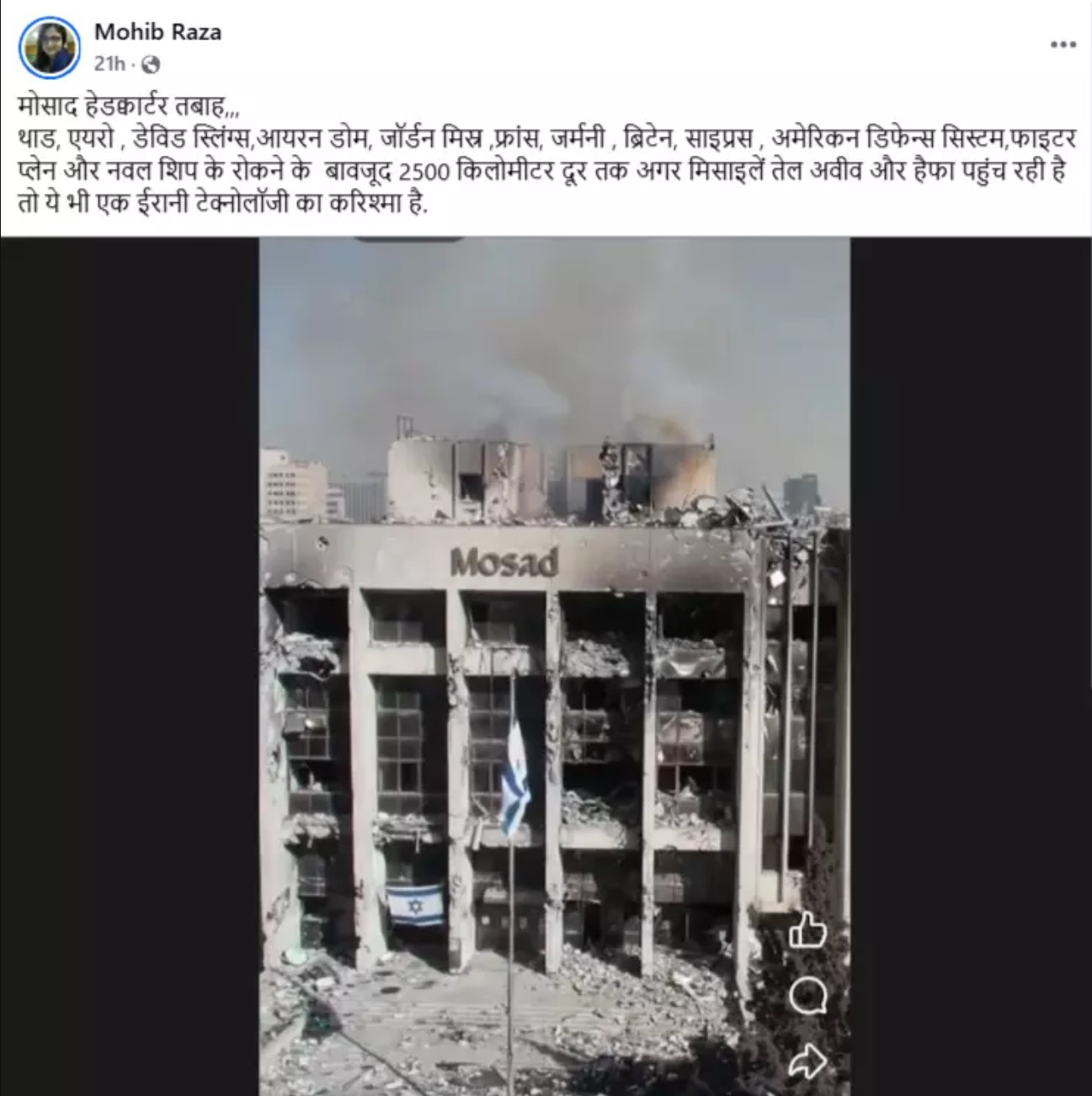
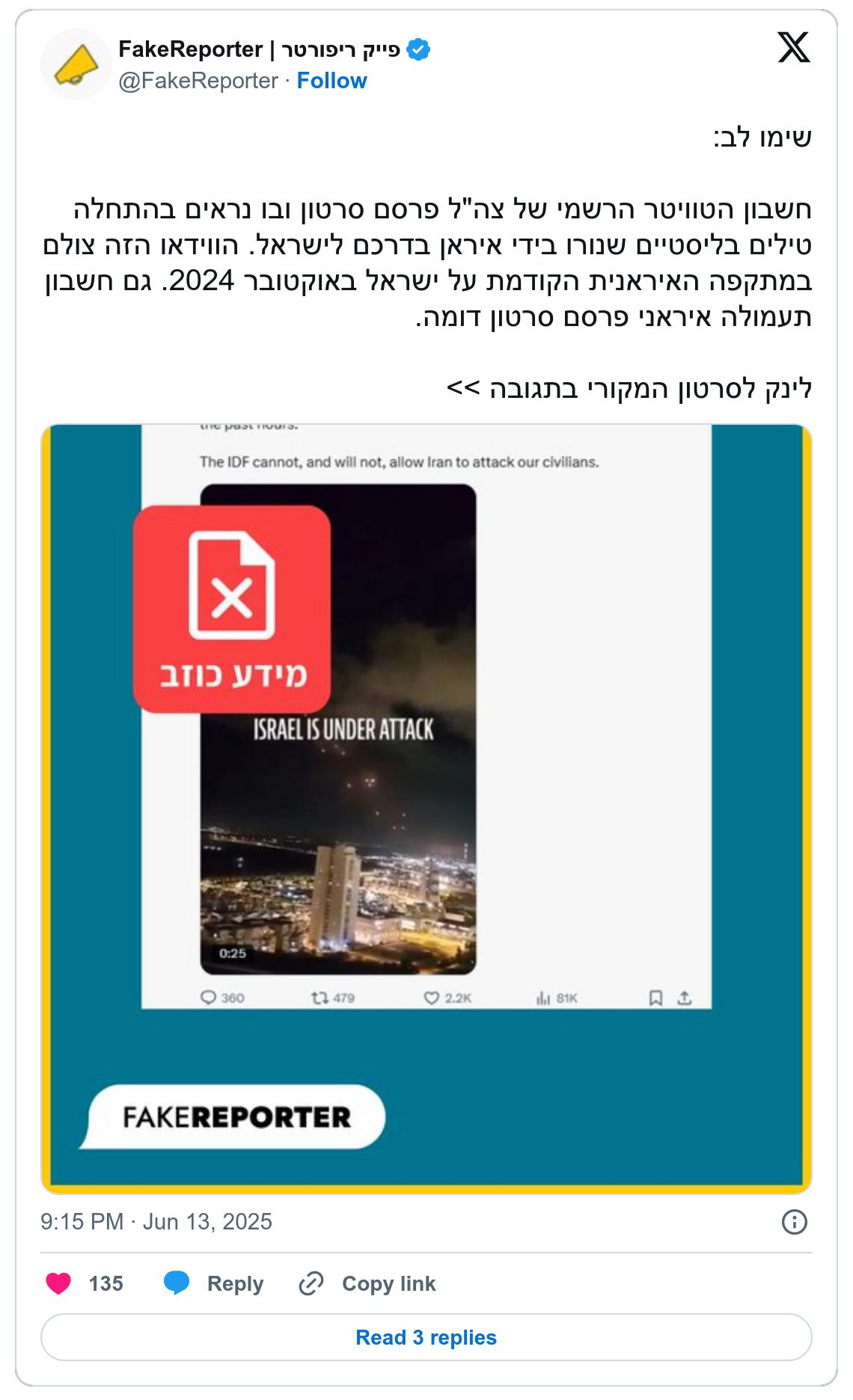
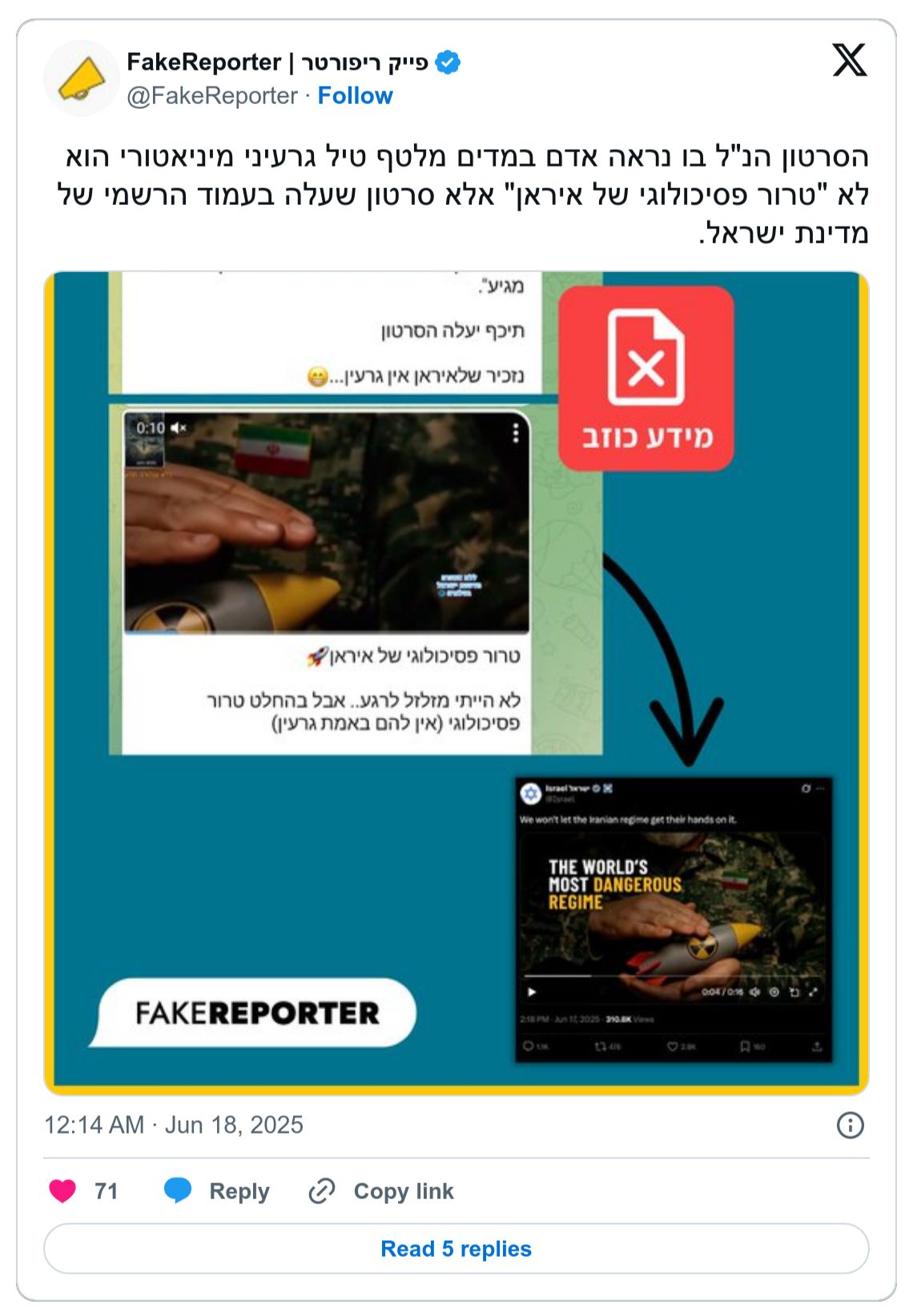
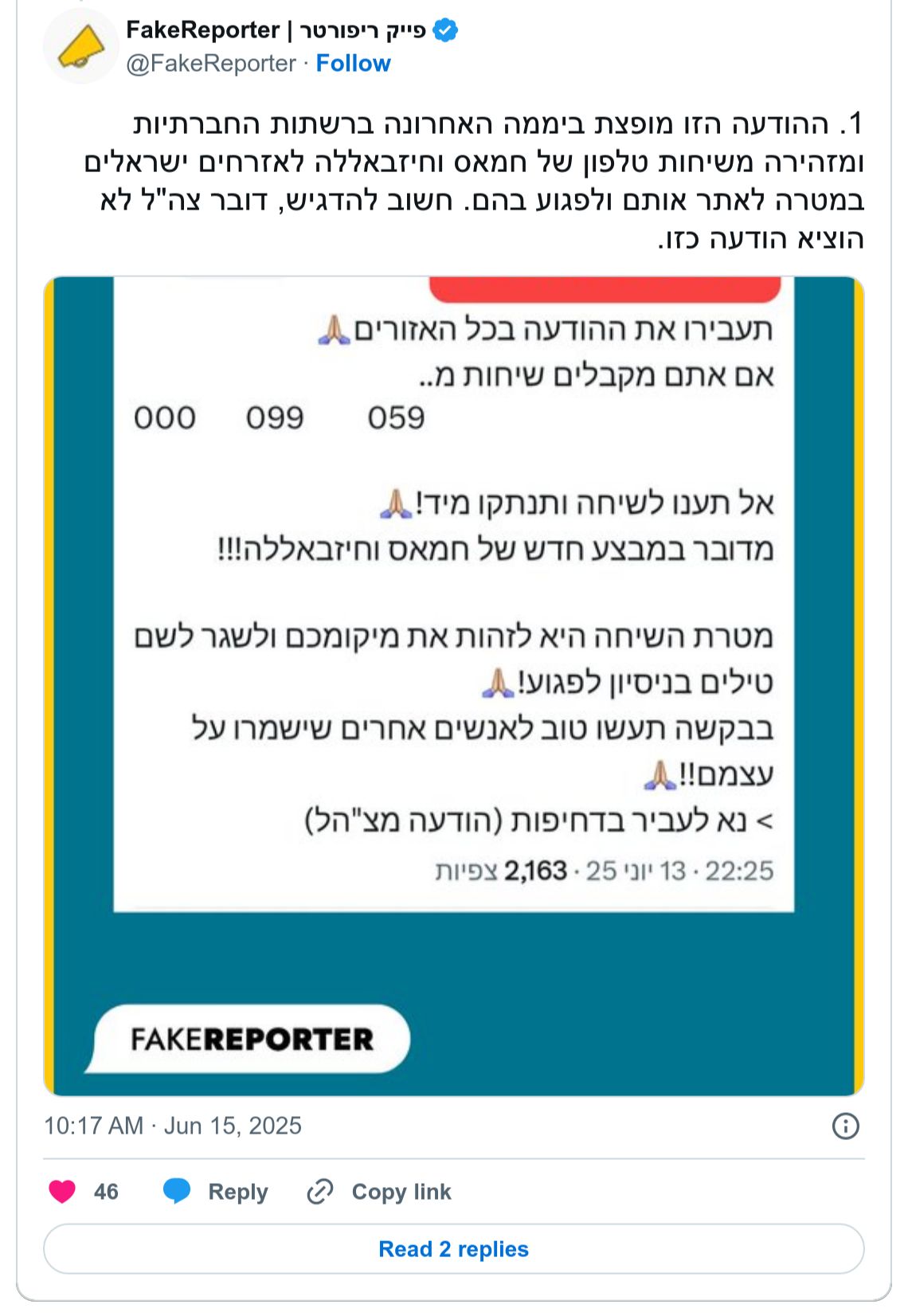
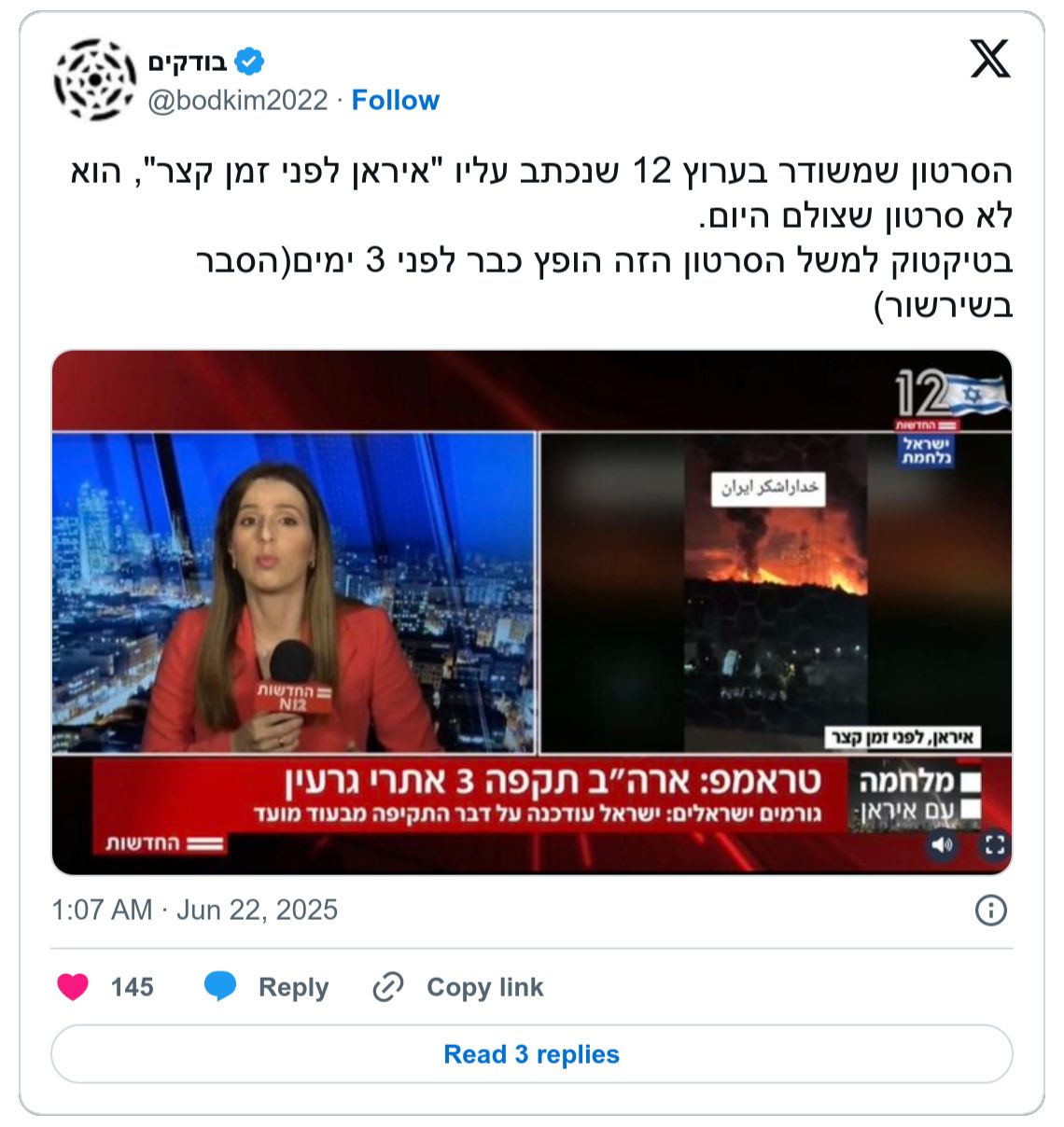
The current study is based on a qualitative and quantitative analysis of several hundred fact-checks performed by several tens of professional global and Israeli fact-checking organizations during the Israel–Iran War. The aim of this study is to examine and map the global and Israeli fact-checking fields surrounding the war, in order to identify the features and nature of the deceptive information that was disseminated and checked during the war, and to learn about the policies, priorities, and biases of fact-checking organizations in Israel and globally. The emphasis placed on fact-checking organizations in Israel stems from the findings of a previous comprehensive mapping of the Israeli information environment, which revealed considerable deficits in the local fact-checking field, including an insufficient number of Israeli fact-checking organizations that operate in the international arena, and a paucity of organizations that target minority groups in Israel, such as Arab society.[1]
This study offers three main contributions. First, it maps the global fact-checking environment and its treatment of military conflicts in the Middle East, and identifies trends that are related to disinformation spread and fact-checking of such content. By doing so, this study facilitates the identification of fact-checking organizations’ weaknesses and obstacles, such as language barriers and lack of use of advanced tools. The study also illustrates how fact-checkers make their findings available in order to increase public trust in their publications, and how they establish their claims in a transparent, accessible manner. Second, the comparison between the Israeli and the global fact-checking environment provides interesting insights on their similarities and differences, including biases in favor of specific issues or limited access to information, which affect the fact-checking process, and reliance (or non-reliance) on official institutions to verify information. Finally, the findings of this study may contribute to the development of knowledge resources and competencies for research, the media, and the general public in Israel, including increased familiarity with available tools to identify decontextualized images and clips, AI-generated materials, online information searches and other practices.
[1] Ram et al., 2025.
Gallery