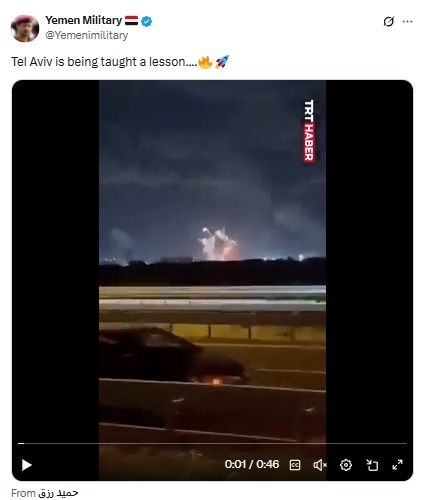
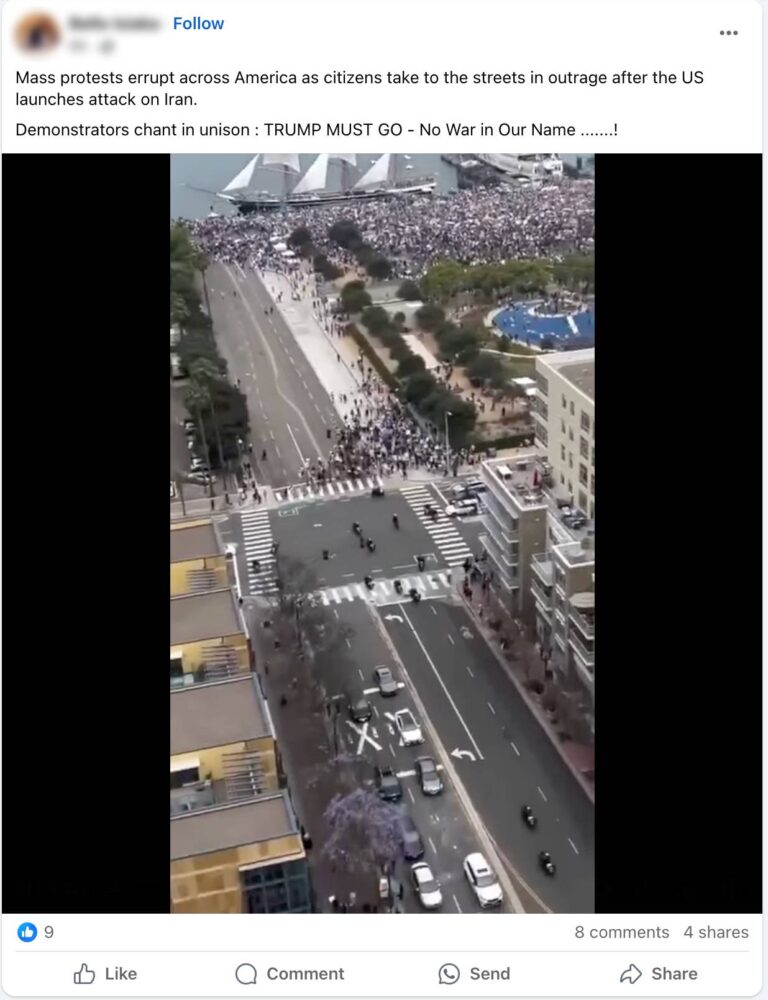
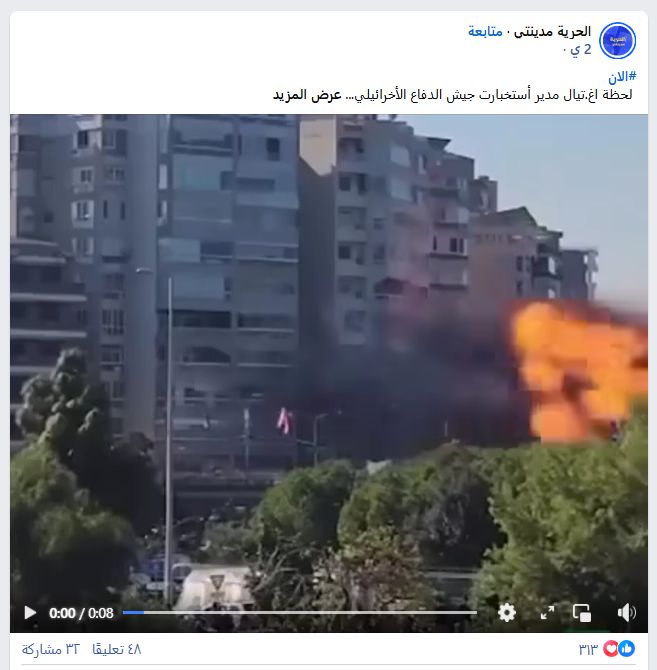
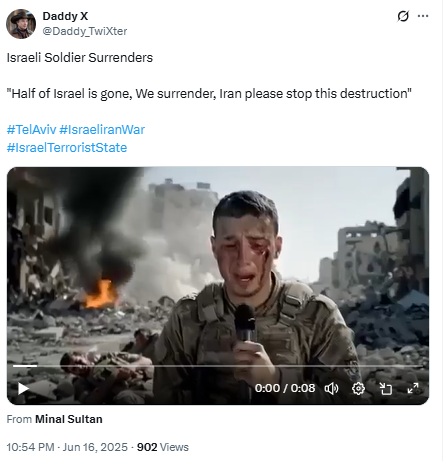
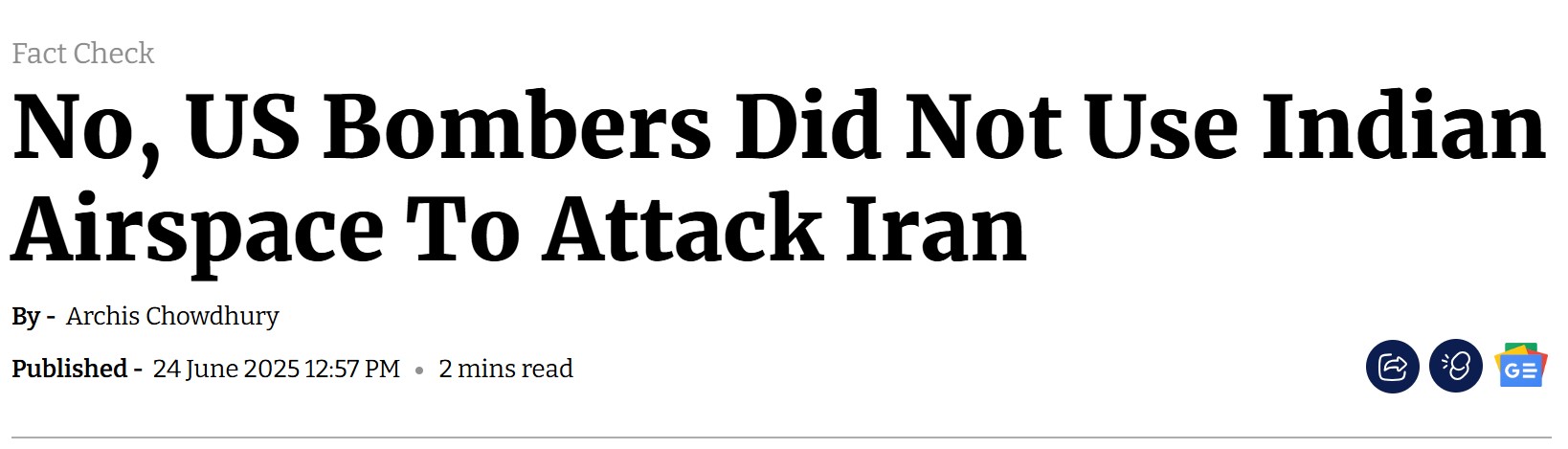
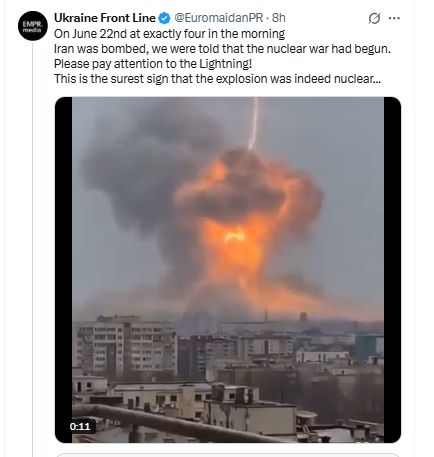
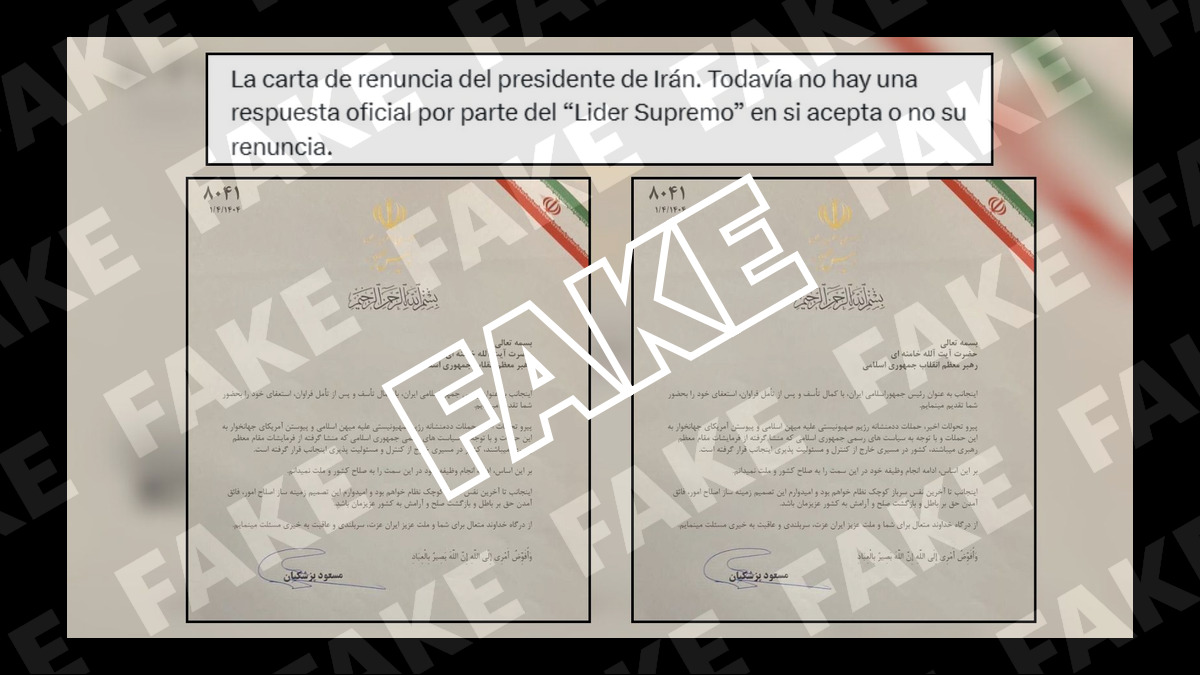
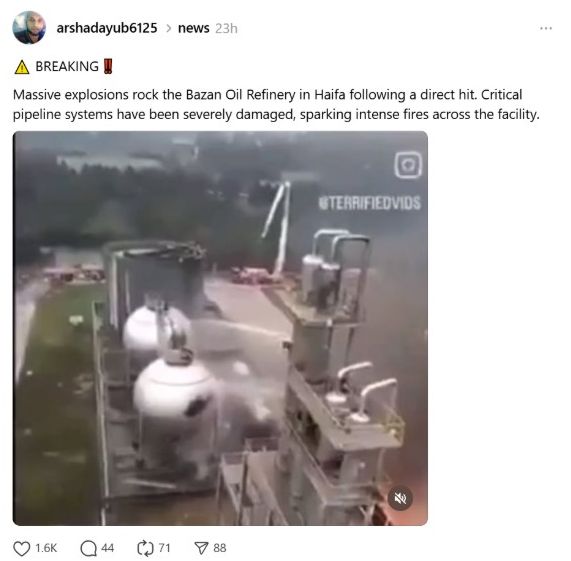
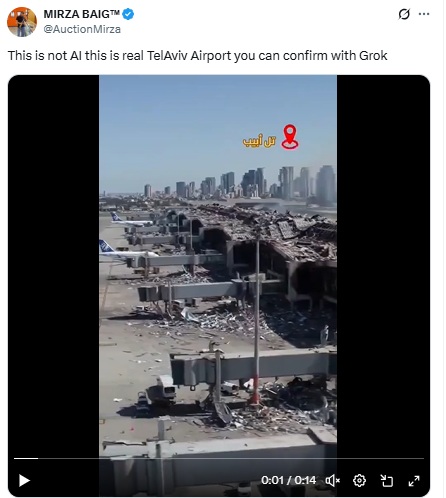
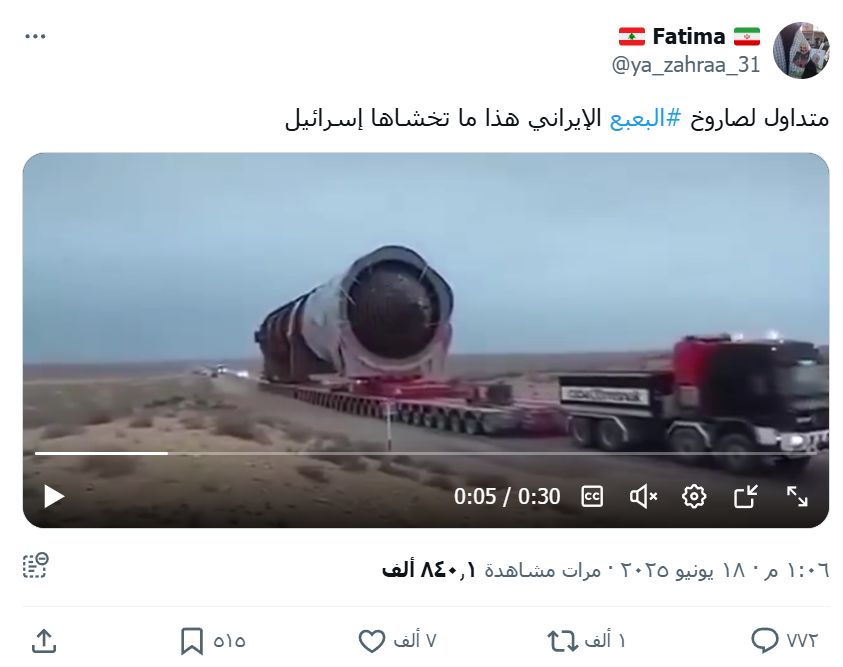
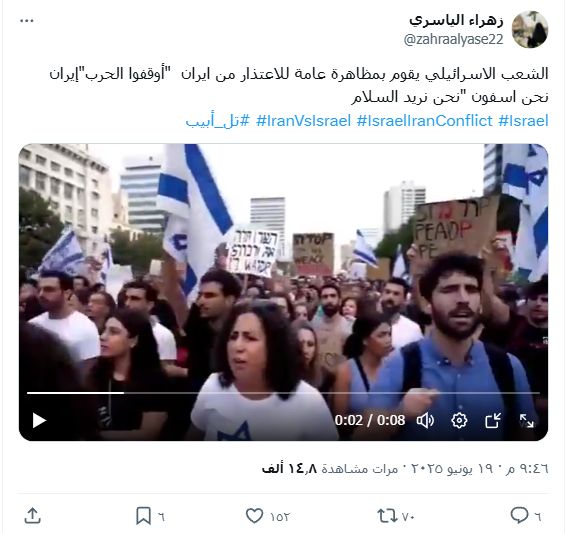
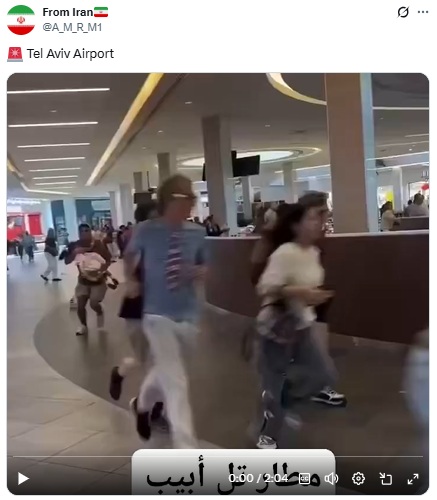
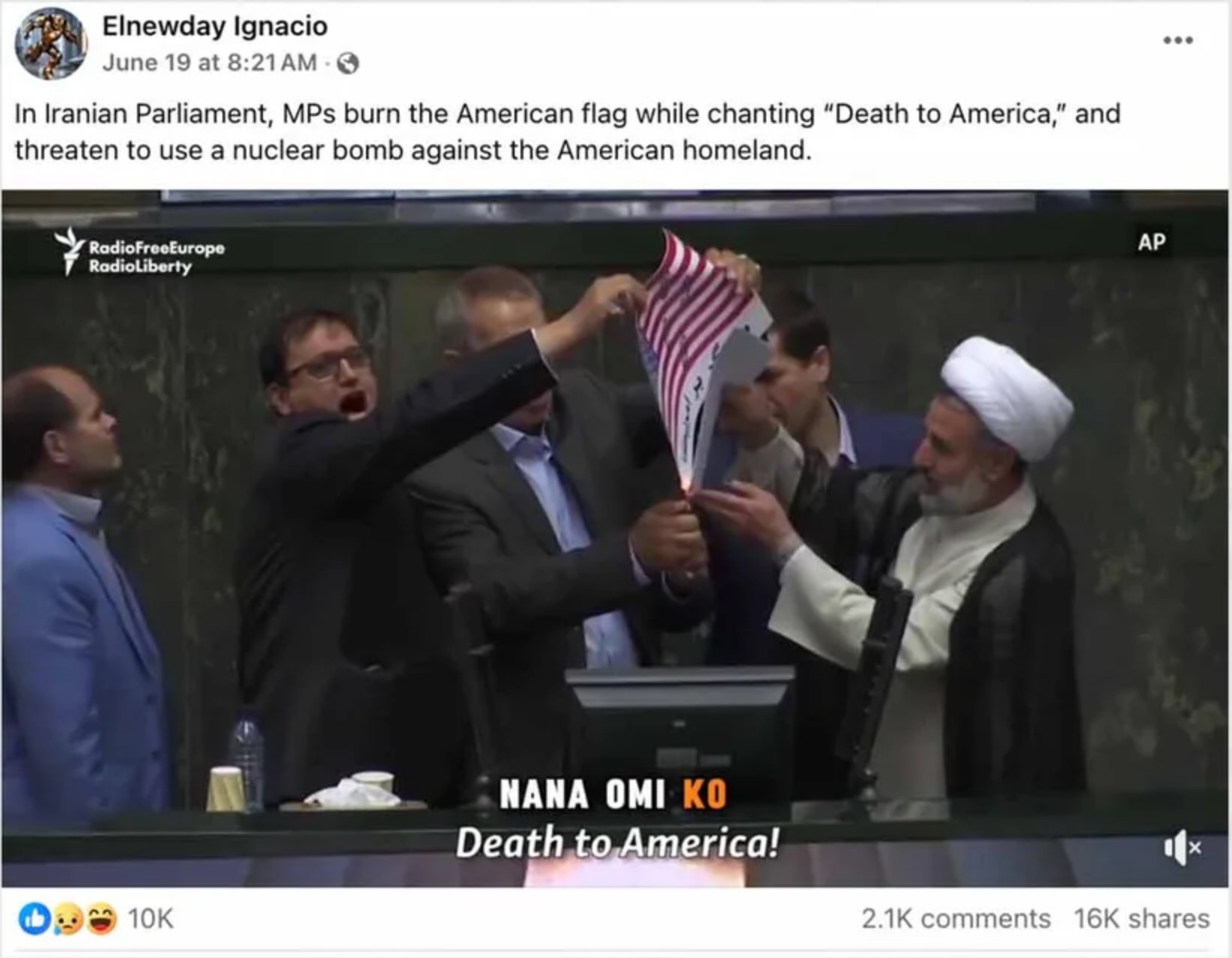
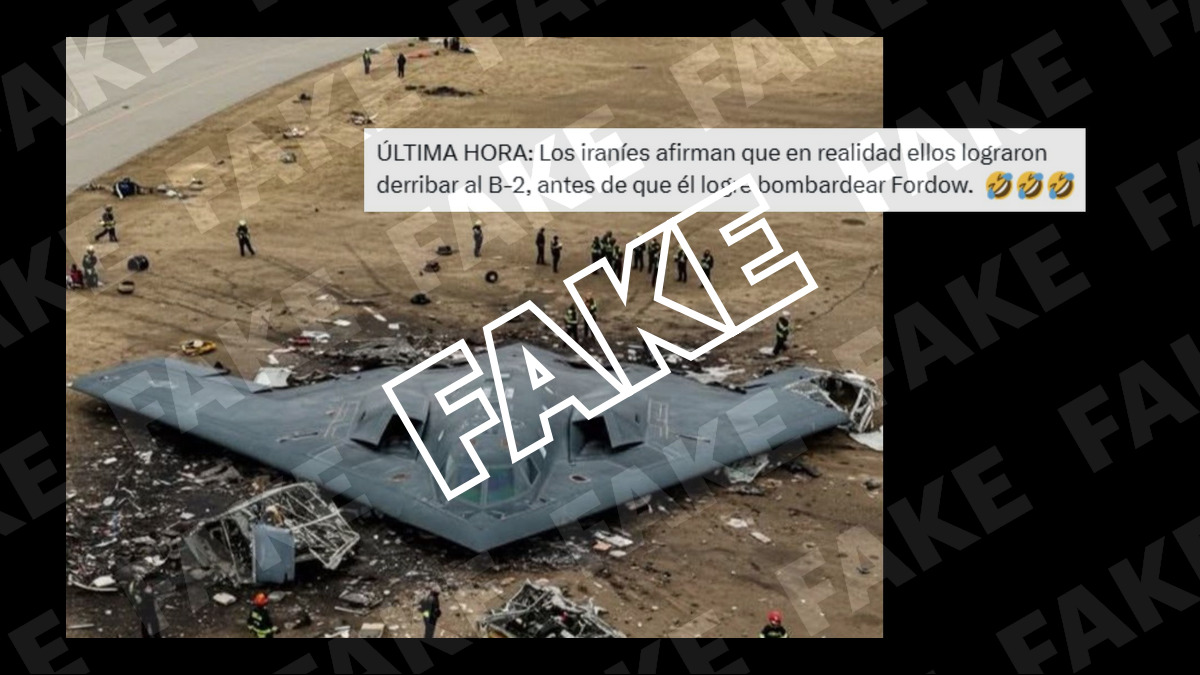
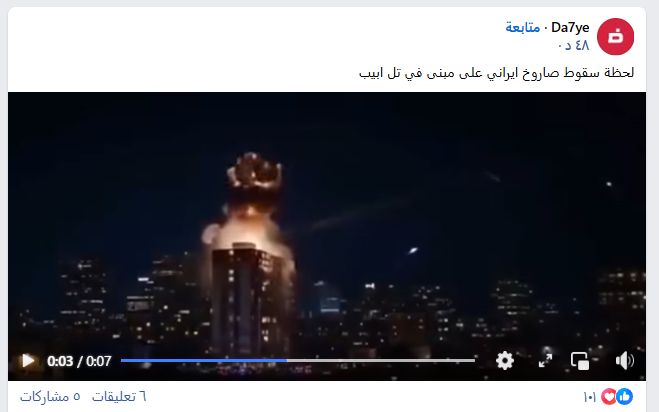
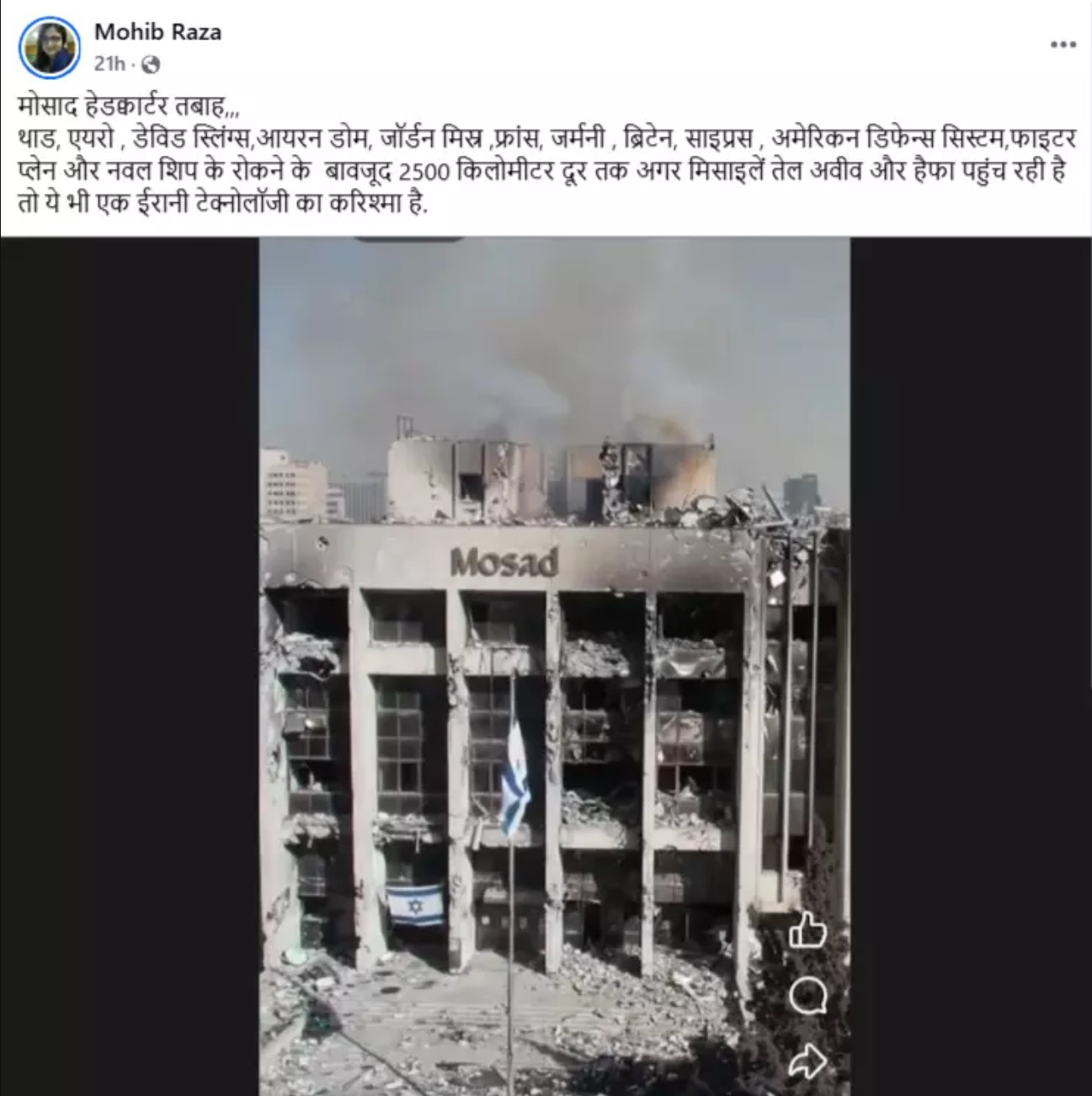
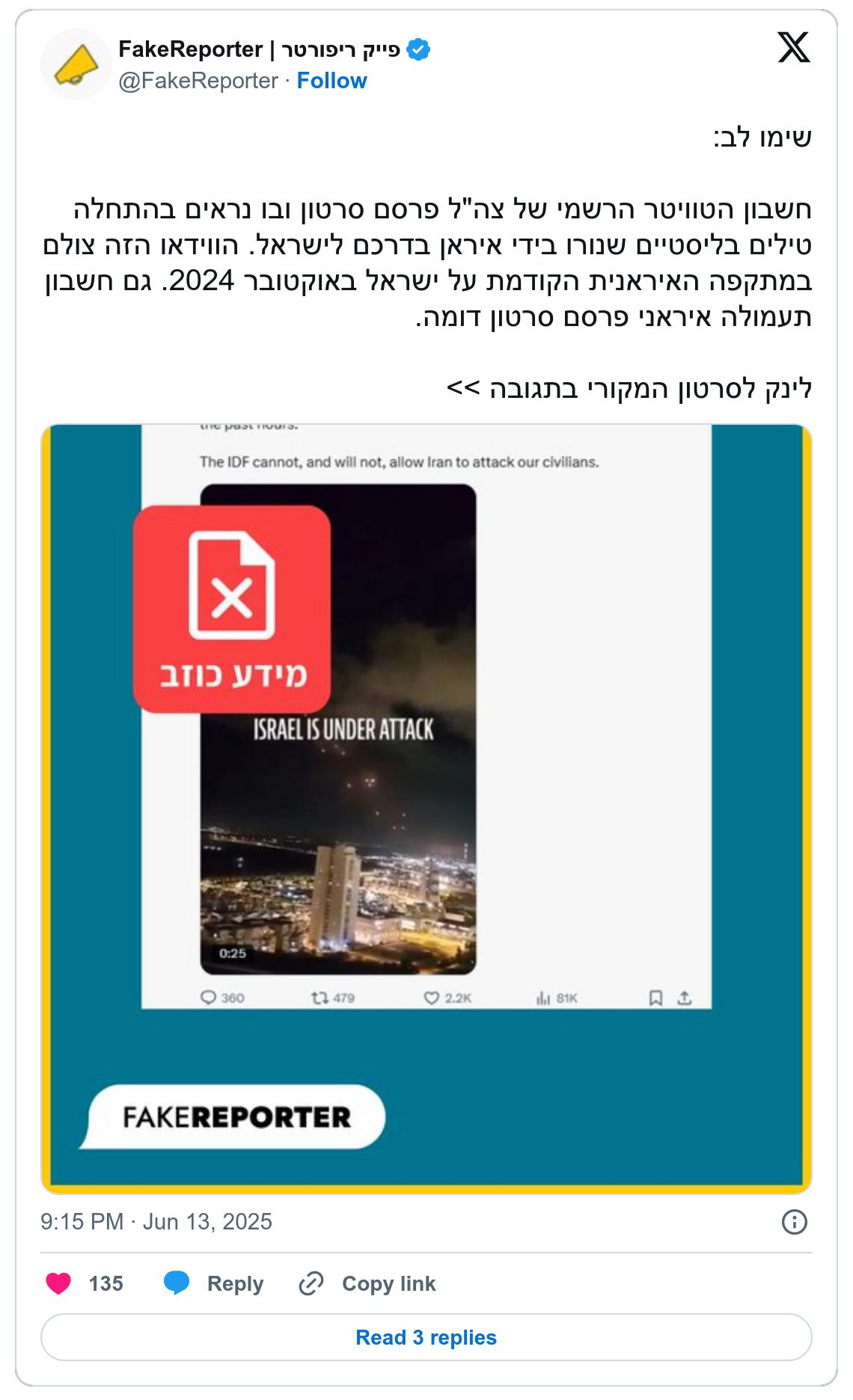
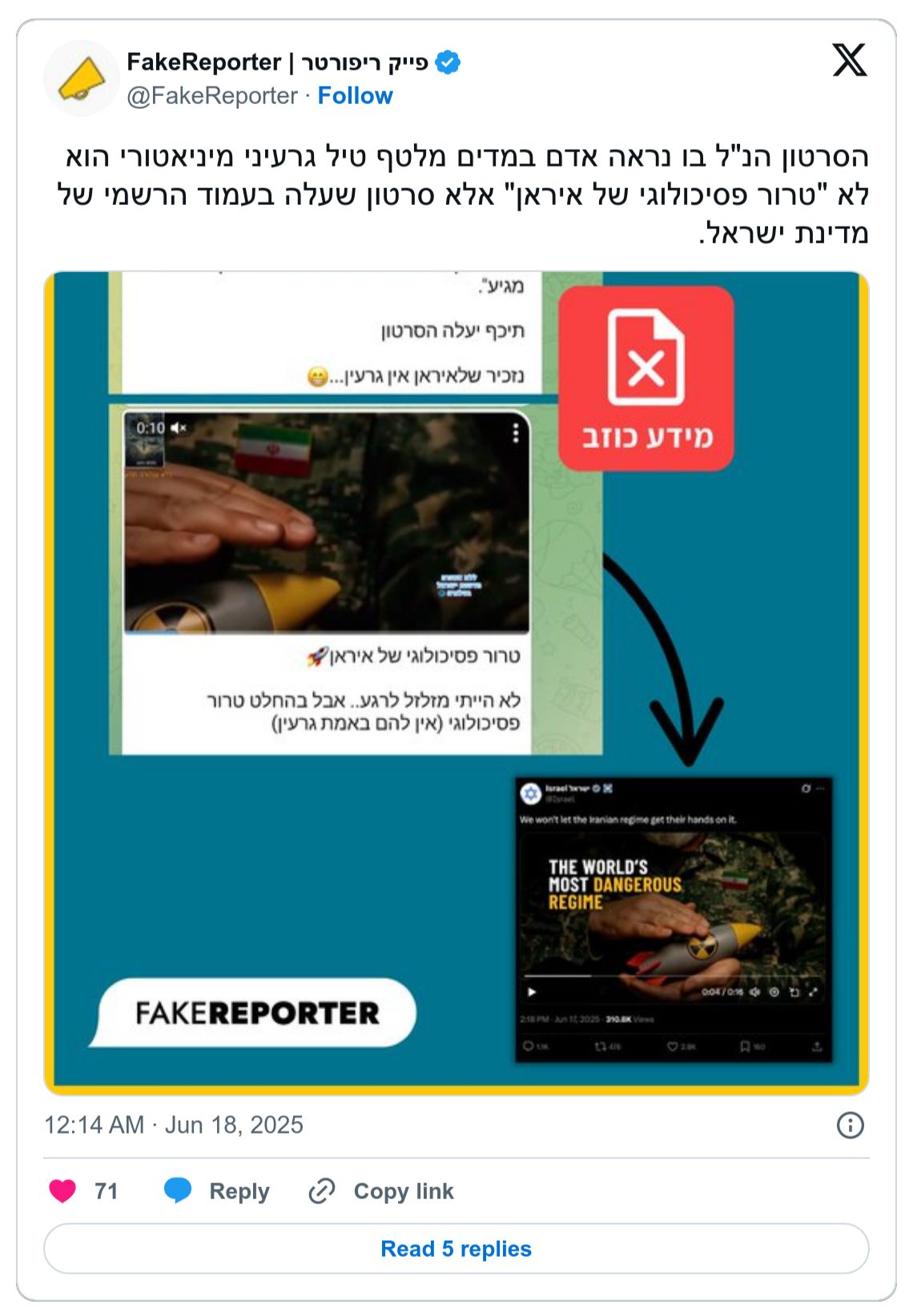
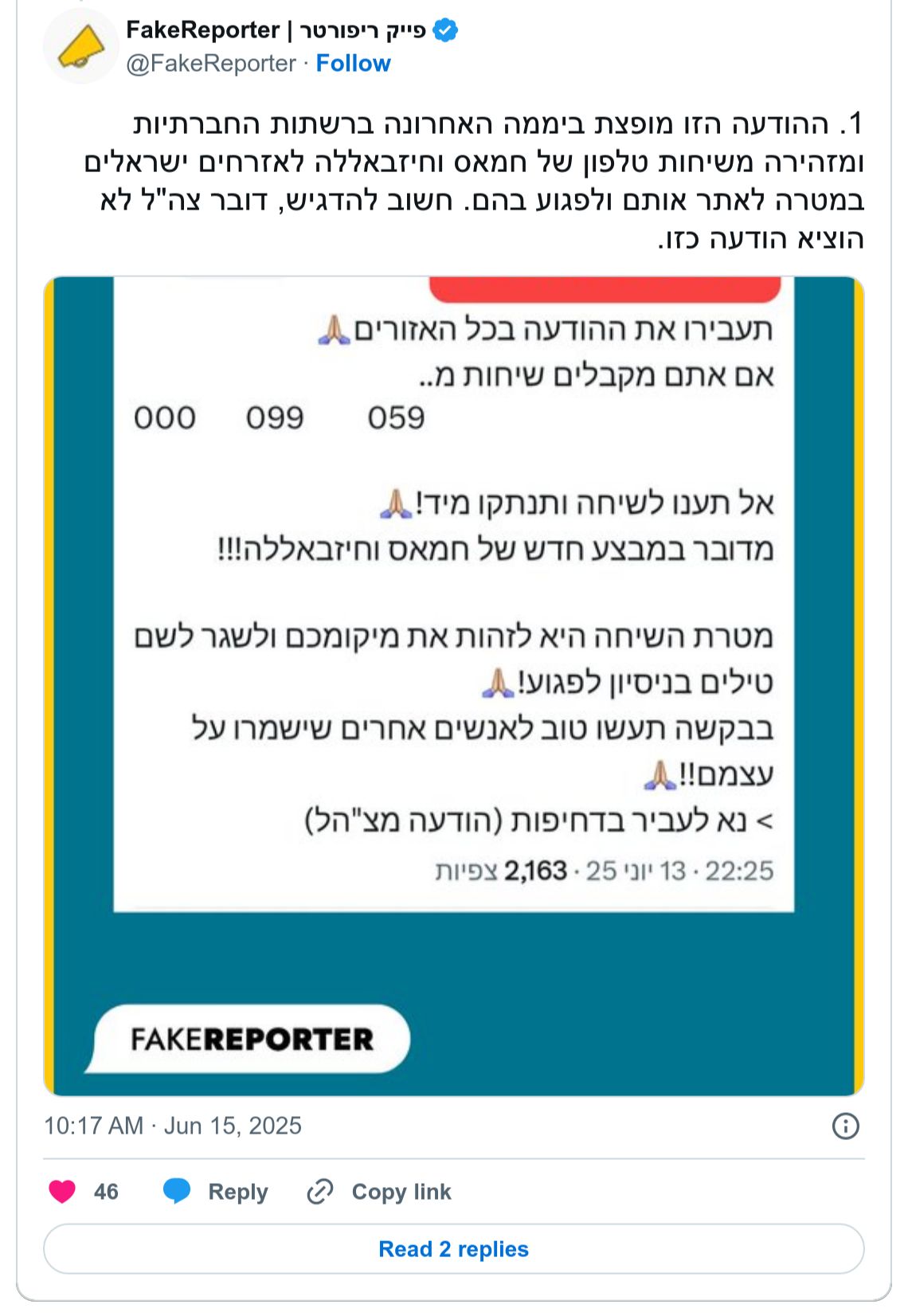
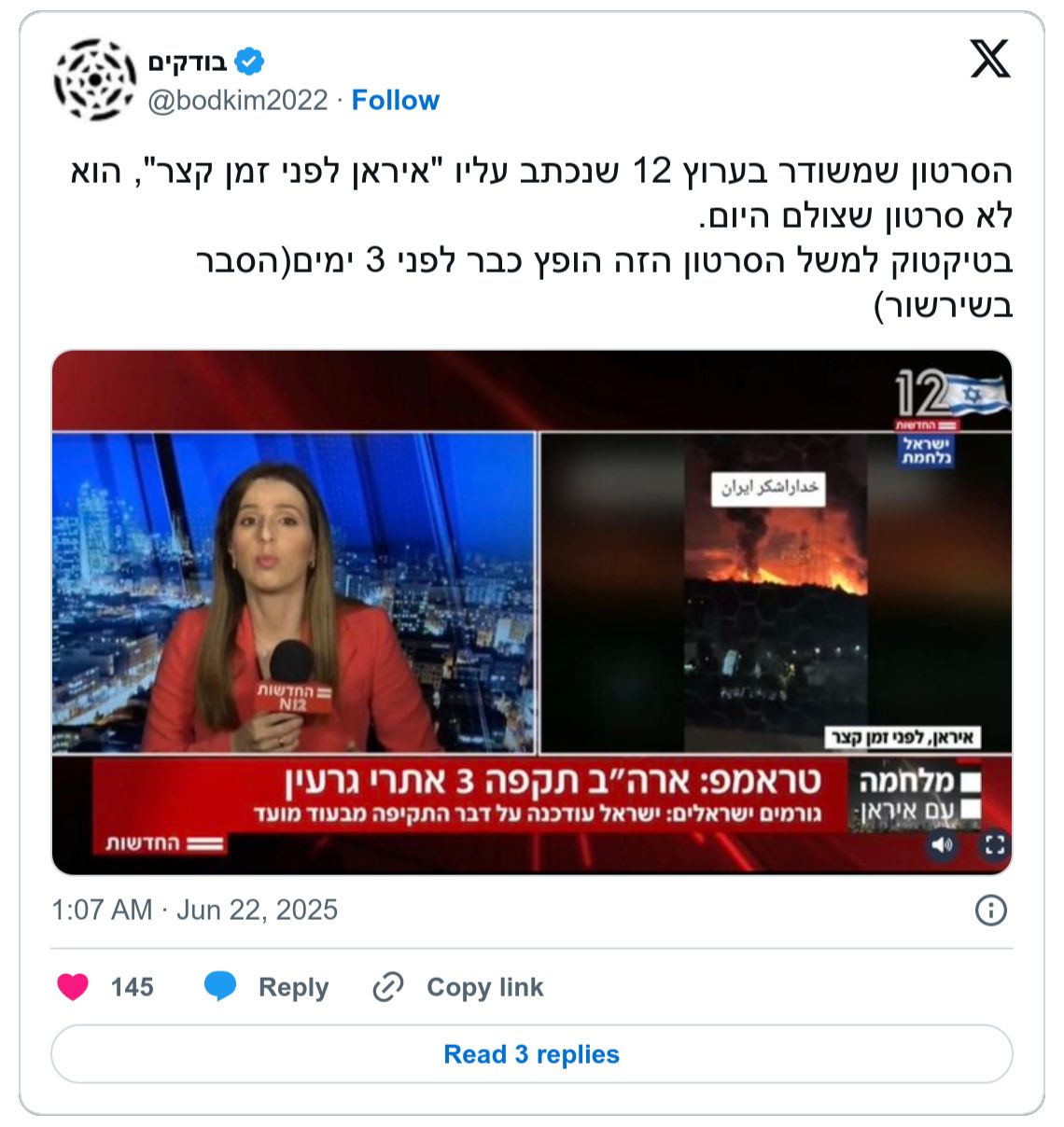
The Israel–Iran War of June 2025 sparked an unprecedented wave of disinformation and manipulated content on social media and in the digital arena. Video clips and images were decontextualized, and AI-generated content and fake arguments were disseminated with the intention of shifting public opinion on the conflict and its outcomes. The current study examines the digital information environment during this conflict from the perspective of global and Israeli fact-checking organizations. Analyzing 592 fact-checks performed and published by 50 organizations in 17 languages, the current study offers a snapshot of the fact-checking environment and a sampled mapping of the digital information environment during and about the war, with emphasis on trends and leading themes in the distribution of false content. The study also examines the fact-checking environment in Israel in this period, and reveals not only its importance but also its limited size, mismatch with various minority groups in Israel society, and lack of representation in and engagement with the global fact-checking environment.
An analysis of the operations of the fact-checking organizations demonstrates the extensive work performed worldwide on content related to the war and underscores its global nature and relevance. The analysis also highlights the extensive involvement of actors from the global south in efforts to refute false claims during the war. Of the 50 organizations examined here, the organizations from India and Jordan conducted a considerable share of the war-related fact-checks that were published in multiple languages and platforms worldwide. This finding undermines the tendency to focus on the Western Anglo fact-checking arena and points to the potential role and significance of additional actors in this field. The analysis found no consistent political biases in the selection of content checked by the fact-checking organizations. The majority of these organizations — irrespective of their country of operation or language, and irrespective of the party that might gain from the spread of the manipulated content —focused on viral content and applied objective, transparent criteria in their fact-checks. Still, the Israeli fact-checking organizations focused extensively on disinformation that might support the Israeli narrative and engaged the Israeli audience, which attests to these organizations’ key role as important critics and gatekeepers in the Israeli information environment.
An analysis of the deceptive and manipulated content checked by various organizations shows that the vast majority of false information that was distributed during the hostilities was visual information, mainly in video format. The most common type of manipulation was decontextualization of time, place, or framing. In other words, most of the false and inaccurate content was based on genuine events that were taken out of context rather than on information that was completely fabricated. One fifth (20%) of the checked content incorporated AI-generated synthetic content. This is a rather high proportion, especially in comparison to content manipulated through other means, but it attests to the relatively limited scope of use of these tools during military conflicts compared to the discourse on such content in the media in general.
An especially important finding points to the narratives and themes that disinformation creators and distributors wish to promote and the impact they wish to achieve. The study shows that the use of misinformation during the Israel–Iran War was primarily designed to convey power and present each side’s superiority over its adversary, in contrast to other conflicts, such as the Israel-Hamas War, in which disinformation was also widely used to portray the parties as victims of the immoral and illegal actions by their rival. In the Israel–Iran War, the main themes of the disinformation included the displays of military force, physical damage, explosions, and images of civil panic among the enemy. The majority of the examined deceptive content potentially served Iranian interests, but content that potentially supports the Israeli narrative was also disseminated.
The current findings contribute to our understanding of the global and Israeli fact-checking field, against the backdrop of the growing weakness of fact-checking organizations that face continuous challenges and pressure. The findings offer insights into the structure of the field, its actors, and the geographic features of their operations, and reveal the main trends in the dissemination of disinformation during the war: the types, modes of use, and aims of the wartime disinformation. These findings may serve as a foundation for expanding knowledge and developing practical tools for the research field, the media, and the general public, including tools for identifying decontextualized images and clips and AI-generated content, and tools for online information search and verification.
Gallery